School Trips · Graduation Trips

Graduation trip to Washington D.C.

The monuments, the institutions, and the living machinery of the world's most powerful democracy, Washington delivers politics, history, and civic education at full scale

USA 5–7 nights Ages 15–18
Duration
5–7 nights
Group size
20 to 80 pupils
Ages
Ages 15–18
Season
All year

Washington D.C. with your class

Washington D.C. is the world's most legible democracy, a city designed from scratch to house a government, where the institutions of power are open to visitors, where the monuments to the country's history line a two-kilometre ceremonial mall, and where the Smithsonian Institution offers free access to some of the greatest science, history, and art collections on earth. For secondary school groups studying Politics, History, or American Studies, there is simply no better destination. The programme centres on the National Mall, the Lincoln Memorial, the Vietnam Veterans Memorial, the Korean War Memorial, the World War II Memorial, and the Washington Monument, before moving to the institutions: the US Capitol (guided tours available when Congress is in session), the Supreme Court, the Library of Congress, and the White House exterior. The Smithsonian complex, 19 museums and galleries, all free, stretching the length of the Mall, provides enough science, history, and art content for a week of visits without beginning to exhaust the collections. The National Museum of African American History and Culture (opened in 2016\) is now one of the most important and emotionally significant museum experiences available anywhere in the United States.
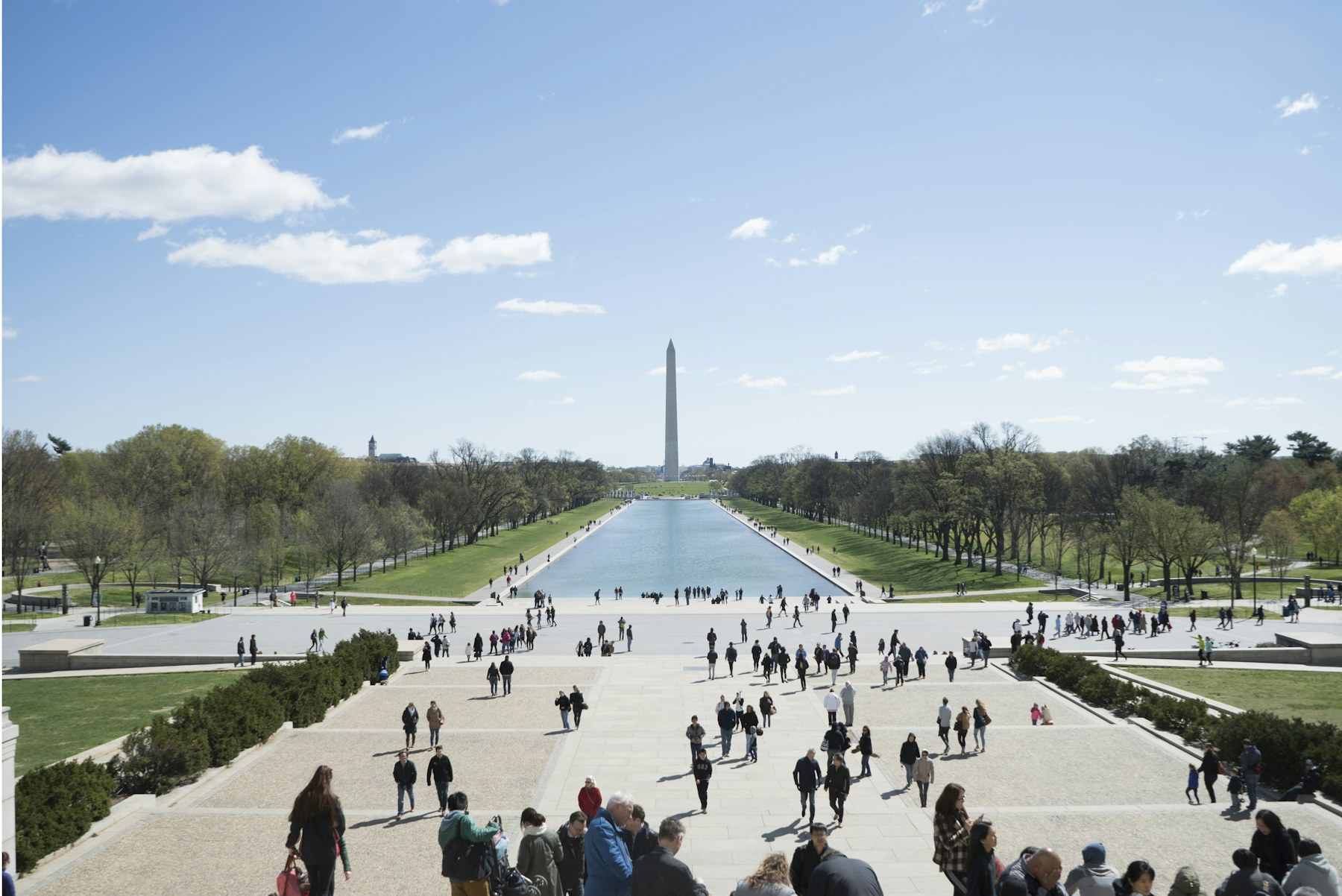
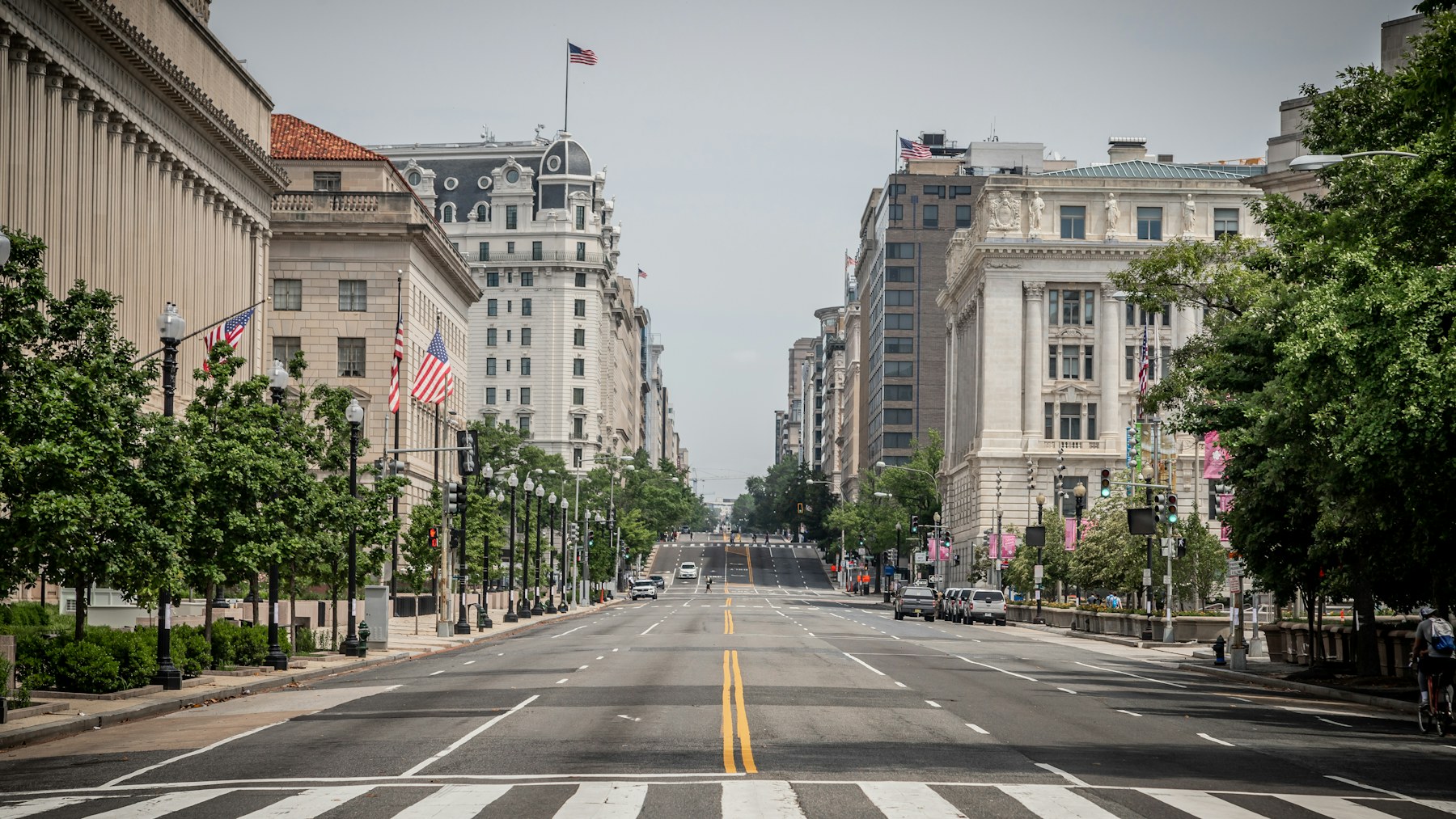
The US Capitol and National Mall in Washington DC on a graduation school trip

Trip highlights

01 The US Capitol and the institutions of American democracy

The US Capitol and the institutions of American democracy, a guided tour of the Capitol building, views of the Supreme Court, and a structured visit to the Library of Congress, the largest library in the world; directly curriculum-linked for Politics, History, and Citizenship at any level

02 The National Museum of African American History and Culture

The National Museum of African American History and Culture, the most comprehensive and emotionally powerful museum of African American experience in the world, opened in 2016 and now one of the most visited Smithsonian institutions; essential for any group studying American history, civil rights, or comparative citizenship

03 The Smithsonian National Air and Space Museum

The Smithsonian National Air and Space Museum, the most visited museum in the United States, housing the Wright Brothers' Flyer, Chuck Yeager's Bell X-1, a lunar module, and the history of human flight and space exploration from Kitty Hawk to the International Space Station

Curriculum links

History American history from the Revolution to the present, Civil War, civil rights movement, the presidency
Politics & Government the US Congress, the Supreme Court, the separation of powers, comparative government
Citizenship democracy, civic institutions, political process
Art & Architecture the Mall and its monuments, the Smithsonian collections, the National Gallery
Sciences the Smithsonian Natural History and Air & Space Museums, among the finest science museums in the world

Practical information

TransportTravel arranged to suit your school's location.
Accommodationcentrally located hotel in downtown Washington D.C. or near the Mall, with Metro access to all major sites
  • Meals: breakfast included; most Smithsonian museums have good cafeterias at reasonable prices; group dinners at local restaurants in the Penn Quarter or Georgetown neighbourhoods; most major monuments and museums are free of charge
  • Local currency is US Dollar ($); spending money recommended for meals not included, the Capitol gift shop, and personal purchases
  • Washington D.C. is a walkable city for the Mall area; the Metro is excellent for reaching sites further afield
  • The Capitol offers free guided tours; advance booking through your local MEP or parliamentary representative can sometimes secure gallery access to watch Congress in session, worth pursuing
  • The National Museum of African American History and Culture requires timed entry passes, book as far in advance as possible as they are heavily subscribed
  • Spring (April–May) recommended for cherry blossom season and comfortable temperatures; avoid August (extreme heat and humidity)
  • On the Move is the officially accredited school trips provider for the European Schools in Belgium; every trip has a dedicated project manager with 24/7 emergency support.

A day by day

1
Day 1
Arrival & First Evening on the Mall Arrive in Washington D.C. and make your way to the hotel. After check-in, the late afternoon is given over to a first walk along the National Mall, the Lincoln Memorial at the west end, the Reflecting Pool, and the Washington Monument at the centre. The scale and symbolism of the Mall's design begins to become clear even on this first walk. Group dinner near the hotel before an early night after the transatlantic journey.
2
Day 2
The Capitol, the Supreme Court & the Library of Congress A full morning in the Capitol Hill area. A guided tour of the US Capitol, the Rotunda, the National Statuary Hall, and, if Congress is in session, possible gallery access to watch the legislative process in action. After the Capitol, a walk to the Supreme Court for a visit to the main hall and a structured discussion of judicial review and the separation of powers, followed by the Library of Congress, the largest library in the world, housed in the most elaborately decorated public building in Washington, with its Main Reading Room open to visitor viewing and its permanent exhibitions covering the history of the printed word and American intellectual life. Group dinner in the Penn Quarter neighbourhood.
3
Day 3
The Smithsonian: Air & Space, Natural History & American History A full day in the Smithsonian complex on the Mall, the world's largest museum complex, and free of charge. Depending on curriculum priorities, the group rotates between the National Air and Space Museum (the Wright Flyer, the Apollo 11 capsule, the Hubble Space Telescope), the National Museum of Natural History (the Hope Diamond, the dinosaur hall, the Sant Ocean Hall), and the National Museum of American History (the Star-Spangled Banner, the First Ladies' gowns, the American democracy exhibition). Lunch in one of the museum cafeterias. Group dinner in the Chinatown or Gallery Place area.
4
Day 4
The National Museum of African American History and Culture & Georgetown A morning at the National Museum of African American History and Culture, a full three to four hours is needed to engage properly with the permanent collection, which begins in the basement with the history of slavery and ascends chronologically through Reconstruction, the Harlem Renaissance, the civil rights movement, and contemporary African American culture and achievement. Allow time after the visit for reflection and group discussion before lunch. The afternoon shifts to Georgetown, Washington's oldest neighbourhood, with its Federal-era townhouses, the Georgetown University campus (founded in 1789), and the C\&O Canal historic park, for free exploration. Group dinner in Georgetown.
5
Day 5
The White House, the Memorials & Arlington Cemetery A morning walk along the south side of the White House, the exterior view from the Ellipse, with the North Lawn visible through the fence, provides the photograph and the discussion point about executive power and democratic accountability. The morning continues along the Mall past the World War II Memorial and the Reflecting Pool to the Vietnam Veterans Memorial, one of the most powerful works of public art in the United States, its 58,279 names carved in black granite provoking genuine student reflection on the human cost of war. After lunch, the Metro takes the group across the river to Arlington National Cemetery for a guided visit, the Tomb of the Unknown Soldier, the Kennedy graves, and the view back across the Potomac to the Lincoln Memorial. Group farewell dinner in the Adams Morgan neighbourhood.
6
Day 6
Free Day & Optional Excursion A free day for students to revisit favourite sites or explore independently in small supervised groups. Optional half-day excursion to Mount Vernon, George Washington's plantation home on the Potomac, which adds a complex and important discussion about the founding generation's relationship with slavery to the civic education the trip has built across the week.
7
Day 7
Departure Breakfast and departure from Washington Dulles or Reagan National Airport for the return journey.

✏️ This is an example timetable — we can adapt the destination, programme, duration and budget to suit your group.

Students come home with…

  • a genuinely transformed understanding of how American democracy works, why it was designed the way it was, and what it looks like under pressure; direct experience of some of the world's greatest museum collections; and the particular energy of a city that takes its civic purpose entirely seriously.

In pictures
Graduation Trips - your questions

Yes. Every trip meets supervision ratios and travels with your teachers plus an On the Move coordinator, with 24/7 emergency support throughout.

Absolutely. We build each itinerary around your group's interests and budget — more culture, more free time, more adventure, your call.

We organise graduation trips for groups from 20 to 80 pupils, with pricing that improves as the group grows.

City breaks book up fast around exam season. Reserve 6 to 9 months ahead for the best prices and availability.

A graduation trip to Washington D.C.?

Tell us your group and dates - we'll build the programme around you.

Plan our trip
🇫🇷 Version française bientôt disponible - currently in preview