Geneva & CERN with your class
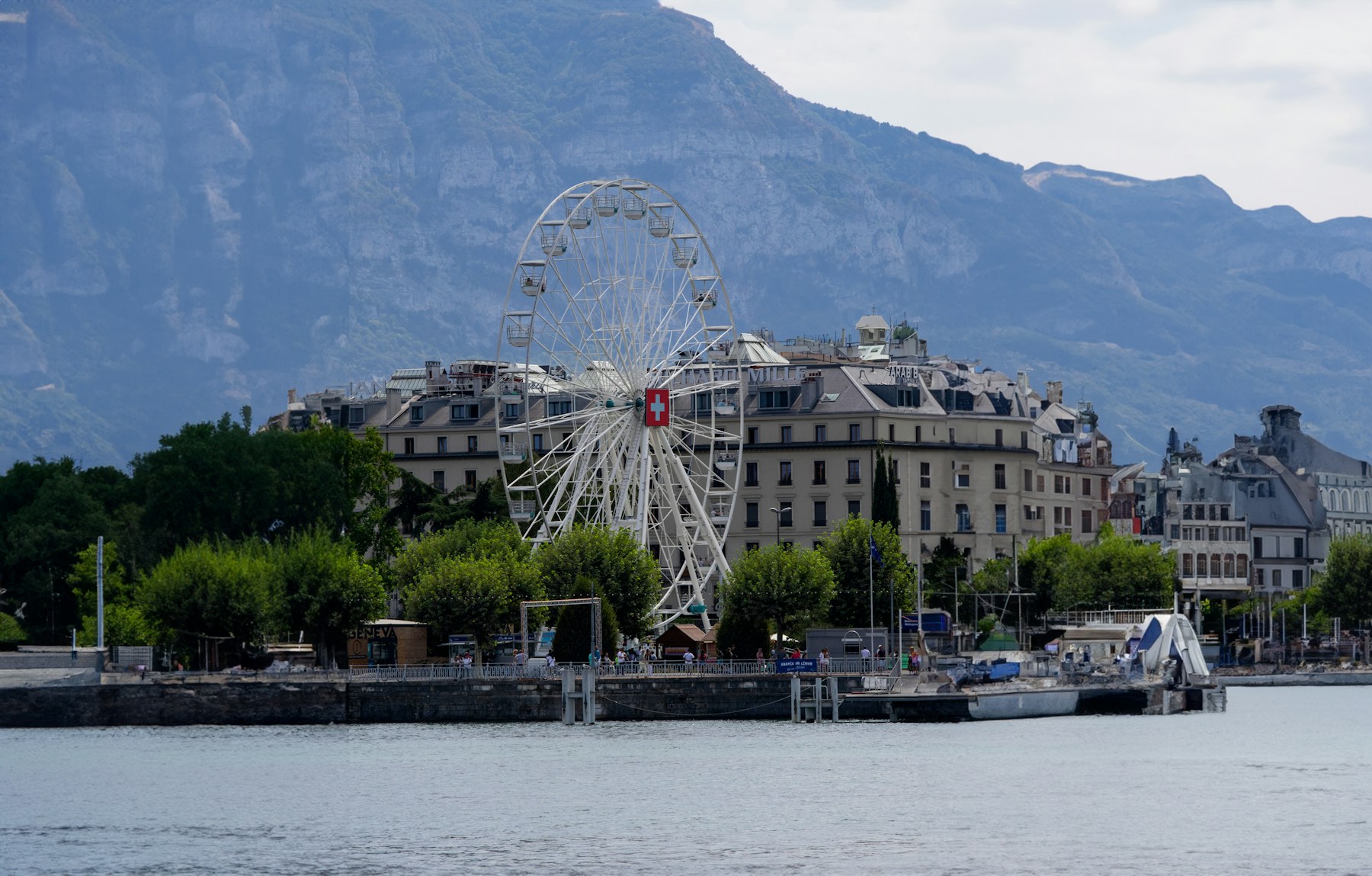
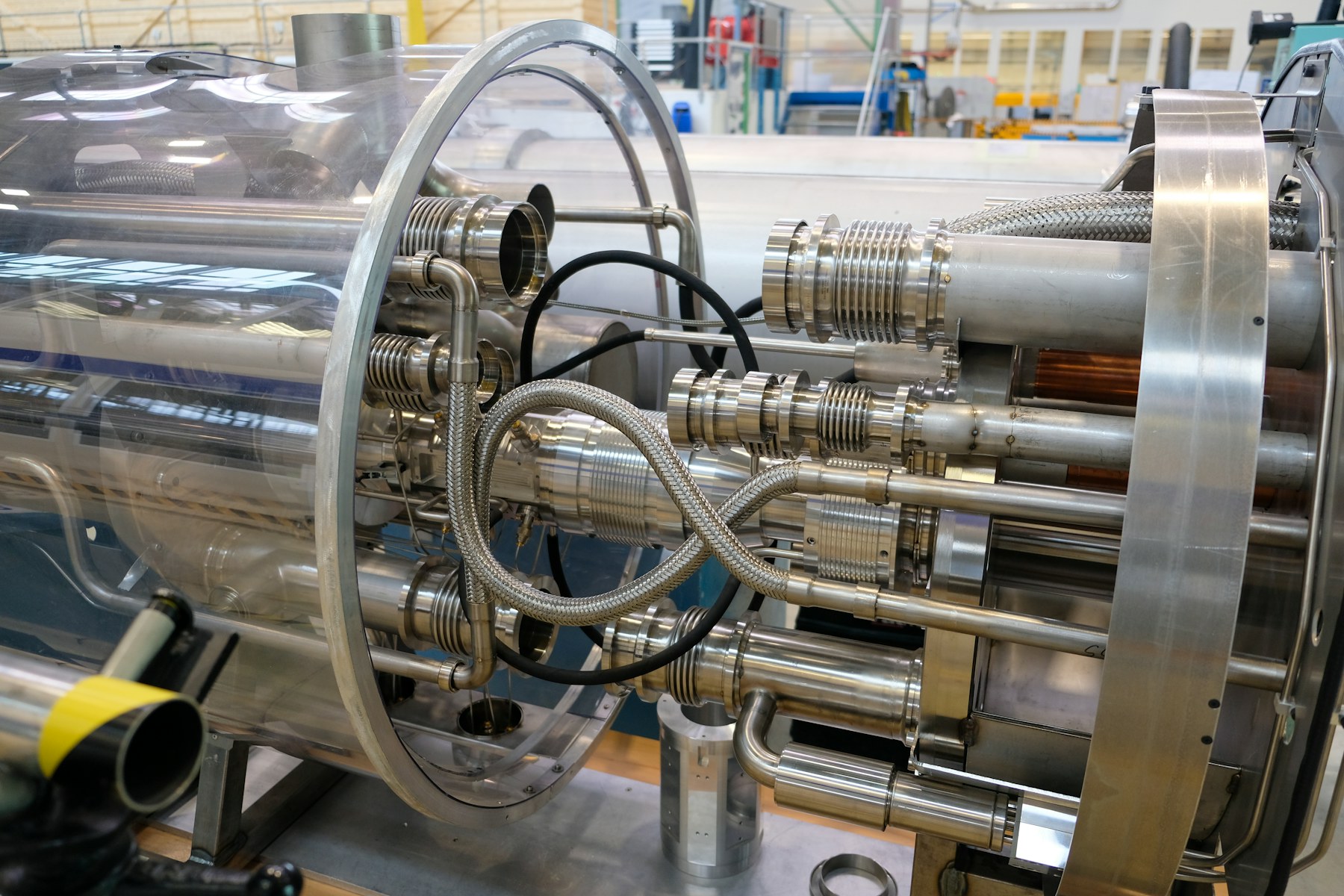
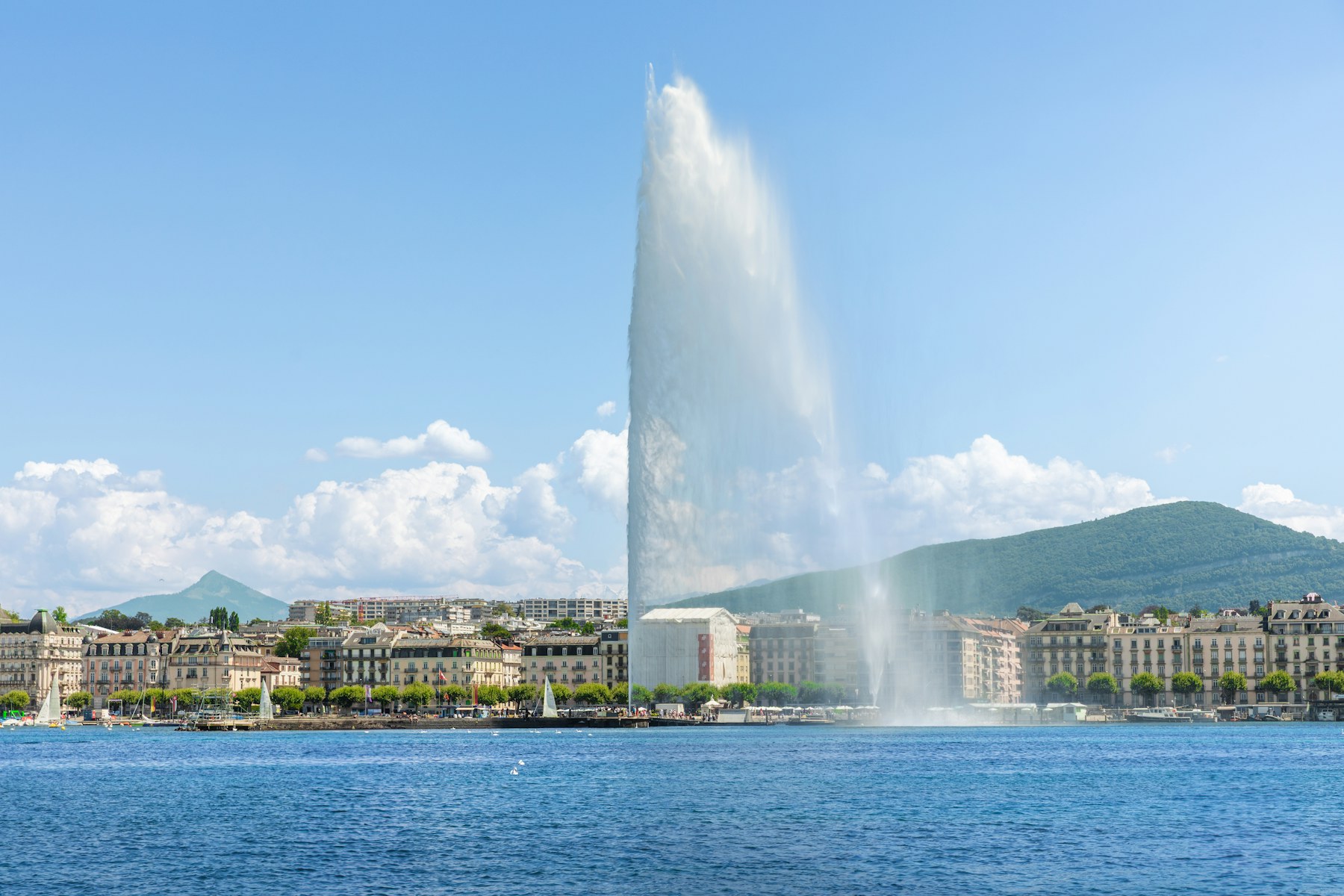
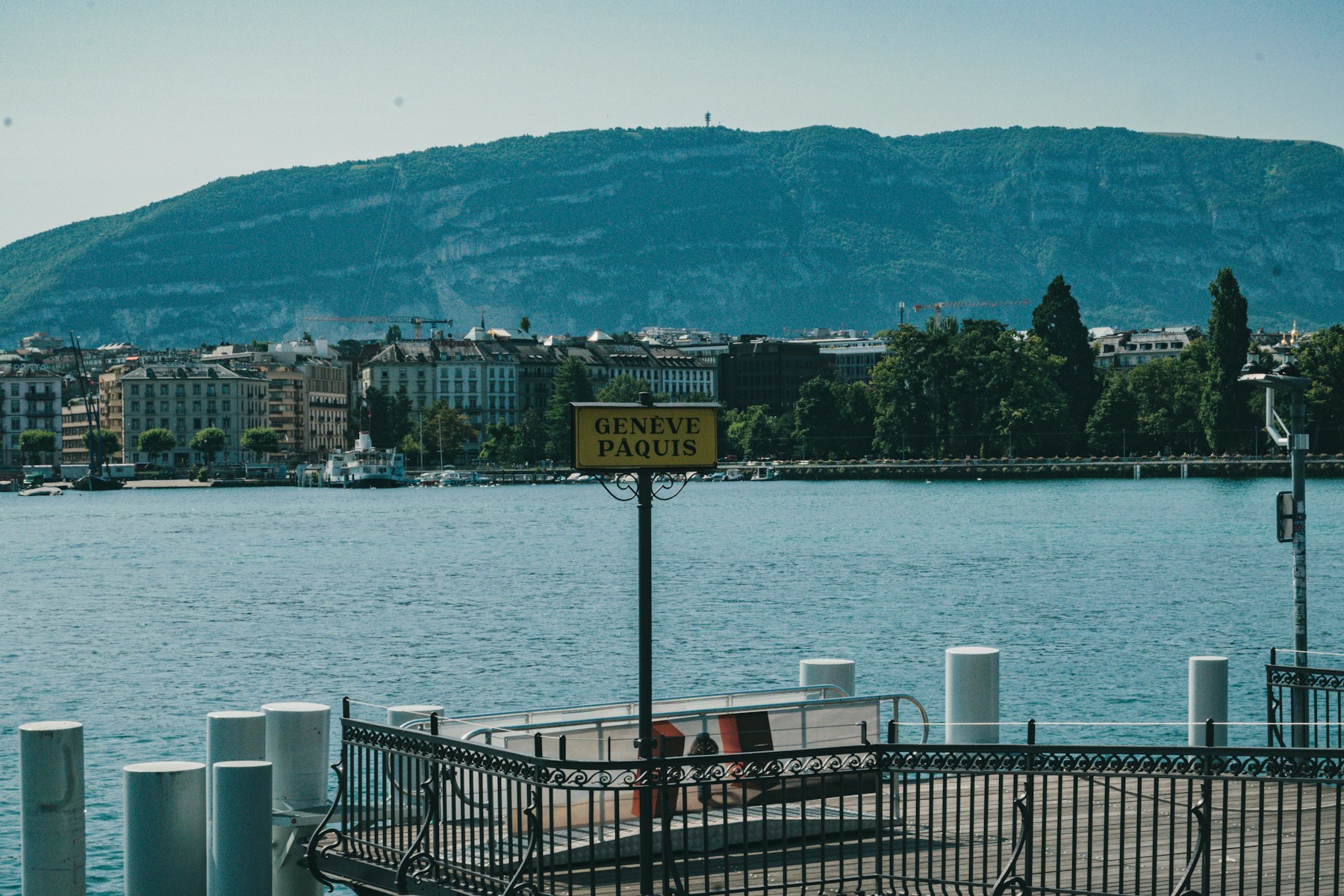
Geneva is unlike any other school trip destination in the portfolio, a city built around ideas rather than history or culture, though it has both in abundance. The anchor experience is CERN, the European Organisation for Nuclear Research, where the Large Hadron Collider, the world’s most powerful particle accelerator, runs in a circular tunnel 27 kilometres in circumference beneath the Swiss-French border. CERN offers genuinely exceptional educational visits for school groups, including a guided tour of the accelerator complex, hands-on physics workshops, and the Microcosm exhibition, all free of charge. The physics content connects directly to A-Level and IB curricula in a way no textbook or simulation can replicate. Beyond CERN, Geneva is the seat of more international organisations than any other city on earth, the UN’s European headquarters, the International Red Cross, the WHO, the WTO, the UNHCR, and dozens more, making it the most concentrated location for international Citizenship and Politics curriculum content available anywhere. The Palais des Nations offers guided visits to the General Assembly hall where the League of Nations once met, and the Red Cross and Red Crescent Museum is one of the most thoughtfully designed humanitarian institutions in Europe. Lake Geneva, surrounded by the Alps, adds a geography and environmental science dimension that is hard to find elsewhere at this quality.
Trip highlights
CERN, a guided tour of the world's largest and most complex scientific instrument, including the accelerator complex, the detector exhibitions, and Microcosm; one of the most genuinely educational experiences available to secondary school Physics students anywhere in the world, and offered free of charge
The Palais des Nations, the European headquarters of the United Nations, housed in the former League of Nations building; guided visits include the General Assembly hall, the Human Rights and Alliance of Civilisations Room, and the extraordinary art collections donated by member states
The Red Cross and Red Crescent Museum, one of Europe's most intelligently designed humanitarian institutions, exploring the origins and principles of international humanitarian law through powerful multimedia exhibitions that connect directly to Citizenship, Ethics, and Politics curricula
Curriculum links
Practical information
- Meals: breakfast included; lunches at CERN cafeteria (open to visiting groups and remarkably good value for Switzerland); group dinners at local restaurants
- Local currency is Swiss Franc (CHF); Geneva is one of Europe's most expensive cities, spending money recommendations should reflect this; most major sites are free of charge
- CERN visits must be booked several weeks in advance through the CERN public engagement office; school group visits are free but heavily subscribed
- The UN Palais des Nations also requires advance booking; visits are free for educational groups
- A Geneva Transport Card is provided free to hotel guests, covering all public transport within the canton
- On the Move is the officially accredited school trips provider for the European Schools in Belgium; every trip has a dedicated project manager with 24/7 emergency support.
A day by day
✏️ This is an example timetable: we can adapt the destination, programme, duration and budget to suit your group.
Students come home with…
- a direct engagement with cutting-edge particle physics in the place where it happens; a concrete understanding of how international institutions operate and why they matter; and the particular satisfaction of having visited a city that is seriously engaged with some of the most important questions facing humanity.
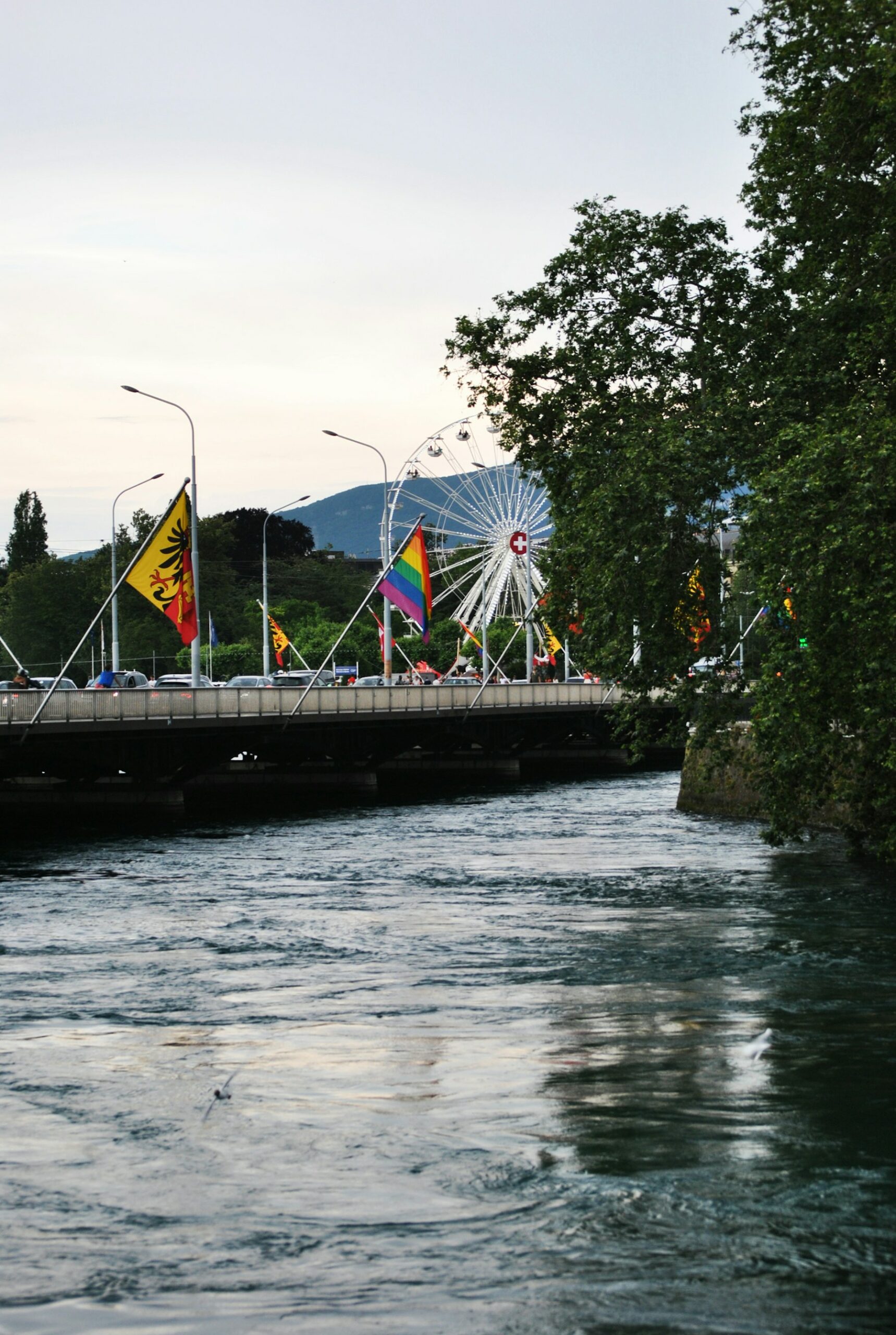
In pictures
Discovery School Trips - your questions
Popular themes include space and aerospace, zoology, natural sciences, industrial heritage and urban regeneration, and technology. We tailor each itinerary to your subject and year group.
Yes. We arrange guided, expert-led visits and hands-on workshops at science centres, museums and research sites wherever possible.
Münster (Zoo School, planetarium) is designed for P5 (ages 10–11). Our other discovery destinations suit secondary years with content adapted to the group's level.
Return travel, accommodation, all entries and workshops, supervision, insurance and your On the Move coordinator.