Euro Space Center with your class
The programme is built around the real disciplines of astronaut preparation. Students rotate through hands-on workshops where they design and build their own rockets, then watch them launch for real; experience the disorientation of the multi-axis training chair and rotor simulators used to prepare astronauts for spaceflight; and learn the theory and practice of working in a clean room, where the smallest contamination can compromise a mission. Each activity pairs a scientific principle with a physical challenge, so abstract ideas about gravity, propulsion and engineering become something students feel as well as understand.
What makes the venue exceptional is its scale and structure. Multiple groups train on site simultaneously on staggered, professionally run timetables, giving the whole experience the rhythm and seriousness of a real training campus rather than a day excursion. Students live on site with full board throughout, which builds independence, routine and team spirit — by the second day, groups are operating as crews rather than classmates. The immersion culminates in a full simulated mission, where students take up roles in mission control and aboard the « spacecraft, » applying everything they’ve learned under time pressure and as a team.
The trip closes with a graduation ceremony, where every student receives an astronaut diploma. It’s a fitting end to an experience that consistently lands with young people who think science « isn’t for them » — and equally inspires those already set on STEM. Few destinations make the link between curriculum physics and real-world application as vividly, or send students home with as strong a sense of having achieved something genuinely out of the ordinary.
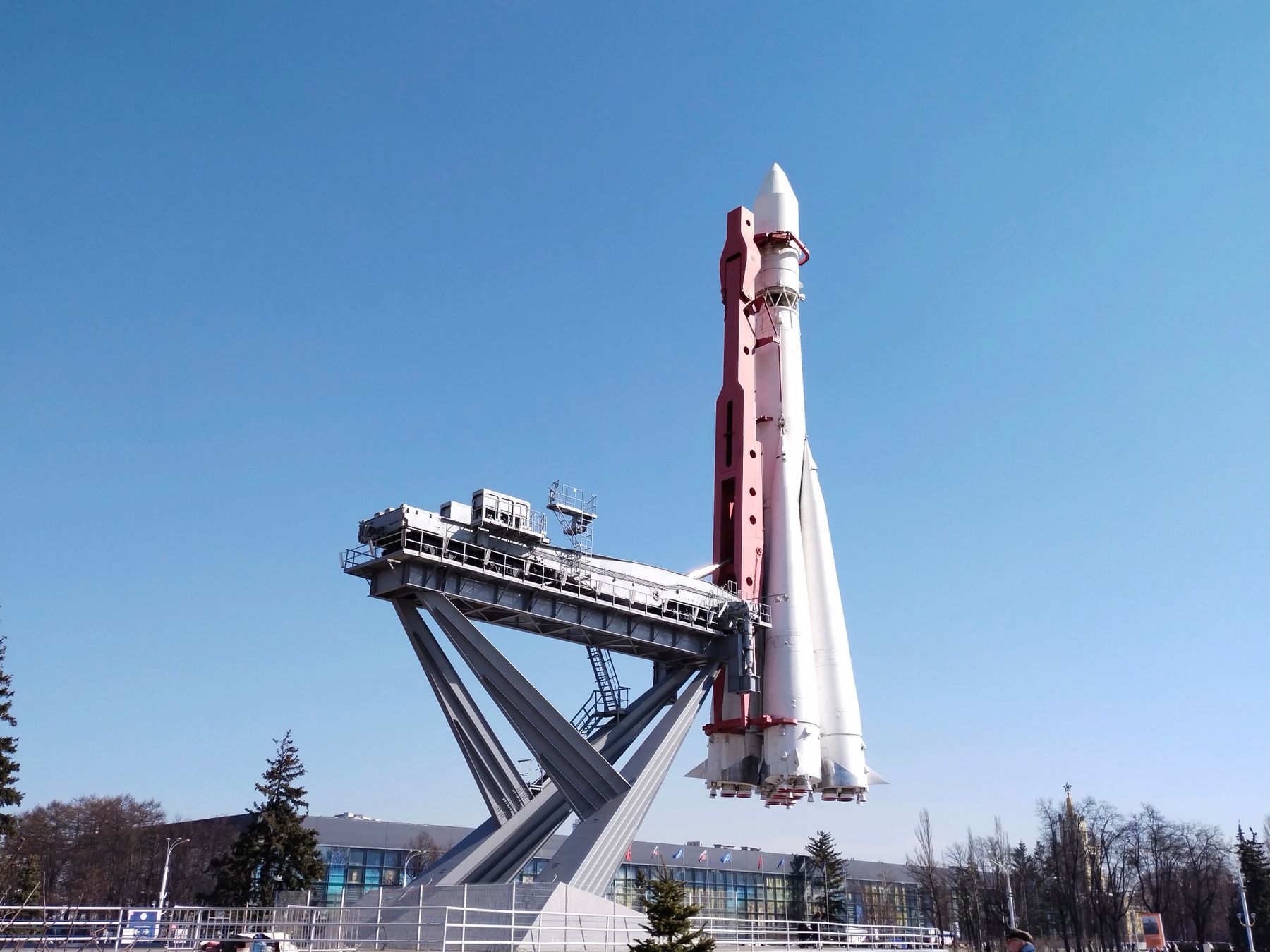
Trip highlights
From workshop theory to a live launch — students build their own rockets and watch them go. Few moments in a school science programme are as viscerally satisfying
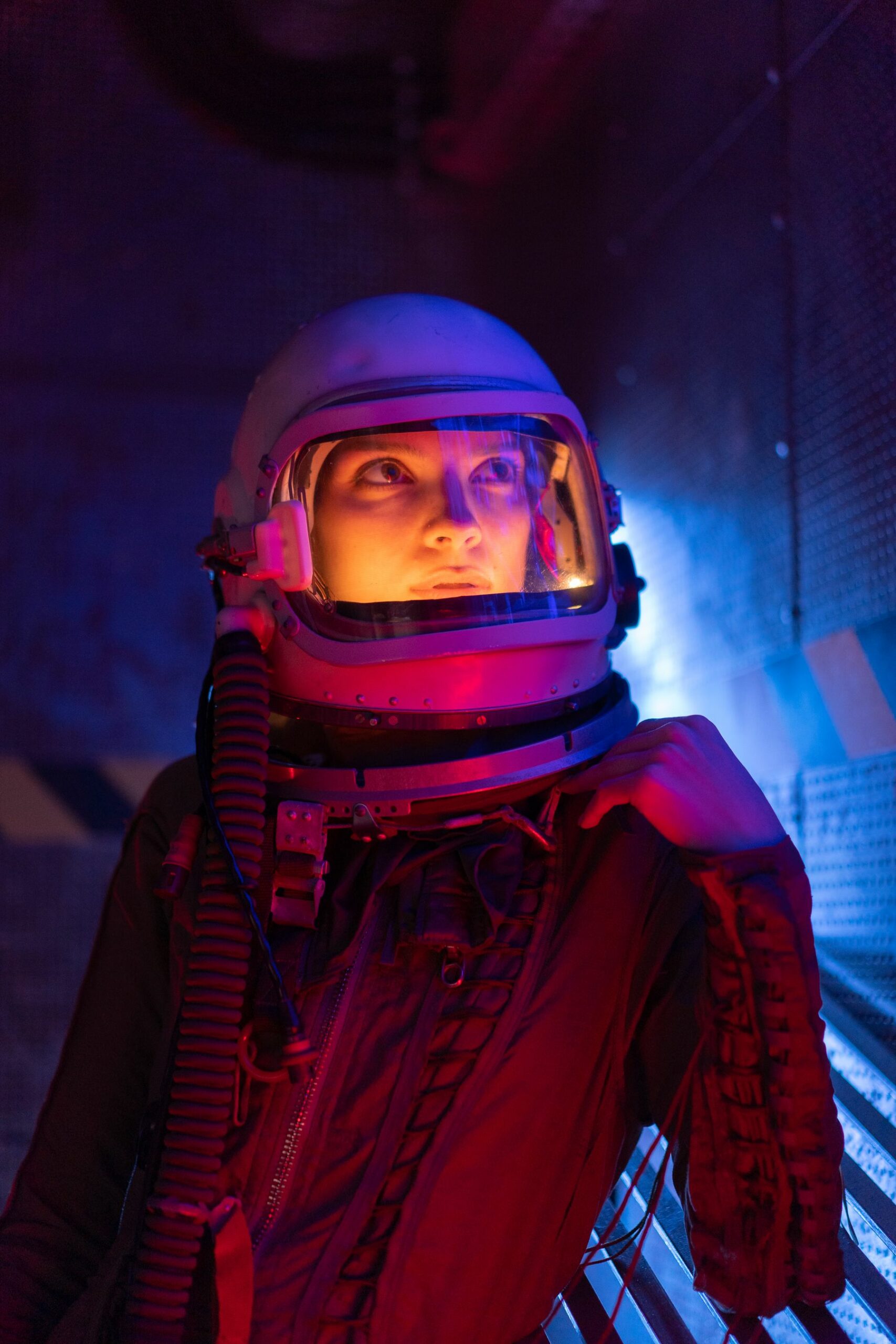
The same simulators used to prepare real astronauts for the physical disorientation of spaceflight — experienced first-hand, with the Moonwalk XP virtual lunar-gravity walk as the unforgettable finale
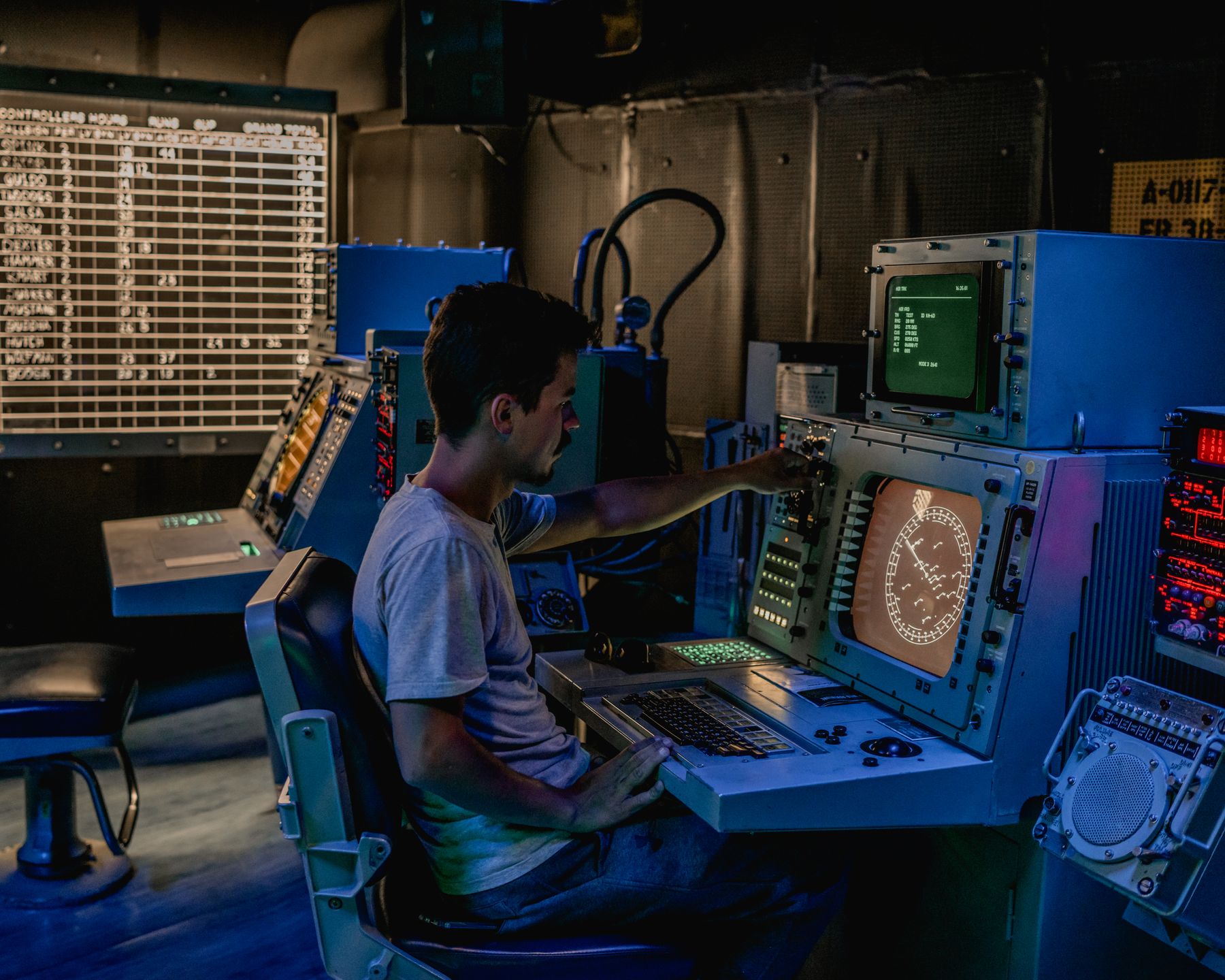
Students take up roles in mission control and aboard the 'spacecraft', applying everything they've learned under time pressure as a crew — then every participant graduates with an official astronaut diploma
Curriculum links
Practical information
- Local currency is the euro; spending money recommended
- The site is fully equipped for school groups, with supervised activities led by the centre's own instructors
- On the Move is the officially accredited school trips provider for the European Schools in Belgium; every trip has a dedicated project manager with 24/7 emergency support
A day by day
✏️ This is an example timetable: we can adapt the destination, programme, duration and budget to suit your group.
Students come home with…
- A real grasp of how physics and engineering work in practice
- Sharper teamwork and problem-solving skills
- A surge of confidence from completing genuine challenges
- An astronaut diploma to prove it
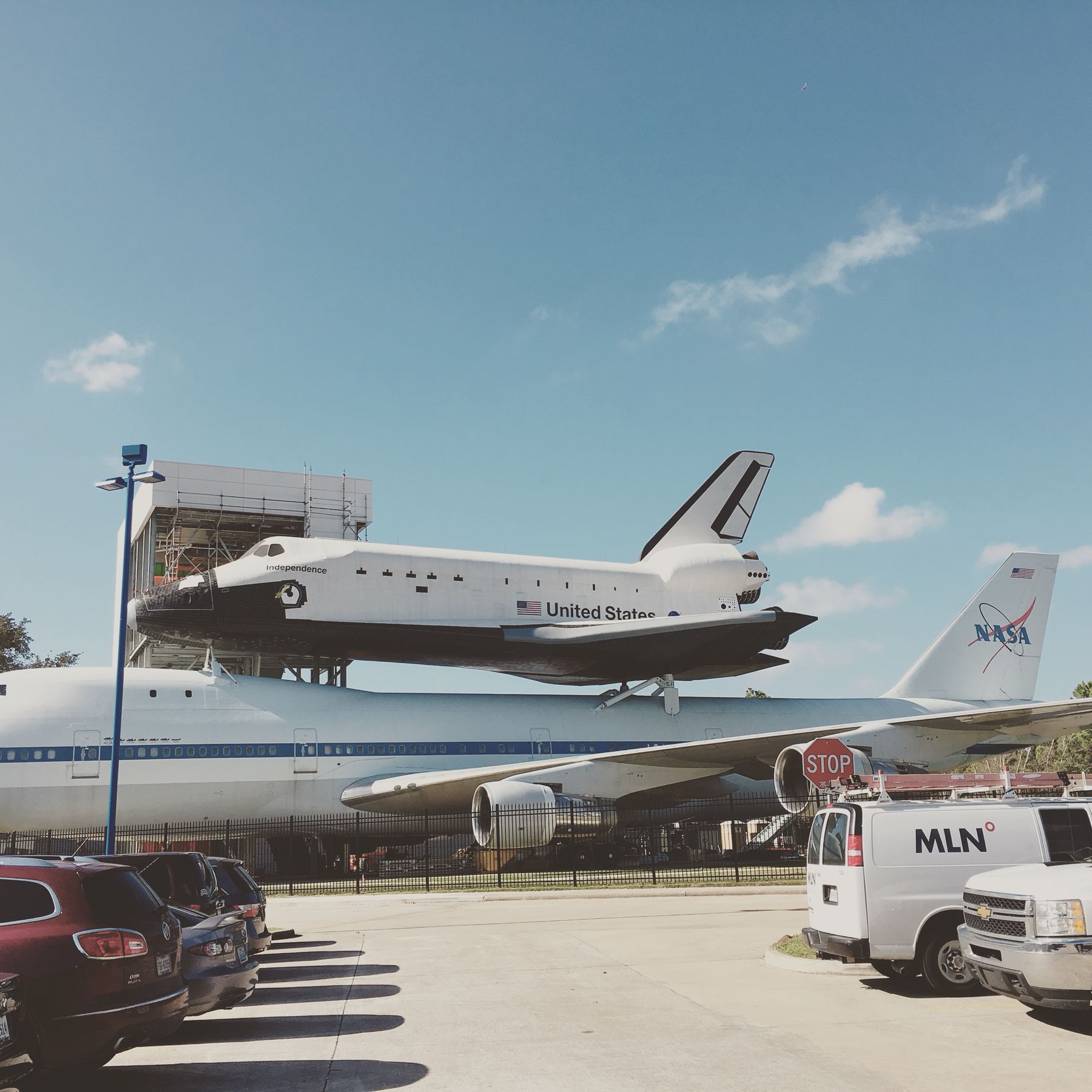
In pictures

Discovery School Trips - your questions
Popular themes include space and aerospace, zoology, natural sciences, industrial heritage and urban regeneration, and technology. We tailor each itinerary to your subject and year group.
Yes. We arrange guided, expert-led visits and hands-on workshops at science centres, museums and research sites wherever possible.
Münster (Zoo School, planetarium) is designed for P5 (ages 10–11). Our other discovery destinations suit secondary years with content adapted to the group's level.
Return travel, accommodation, all entries and workshops, supervision, insurance and your On the Move coordinator.