Why learn Japanese in Fukuoka?
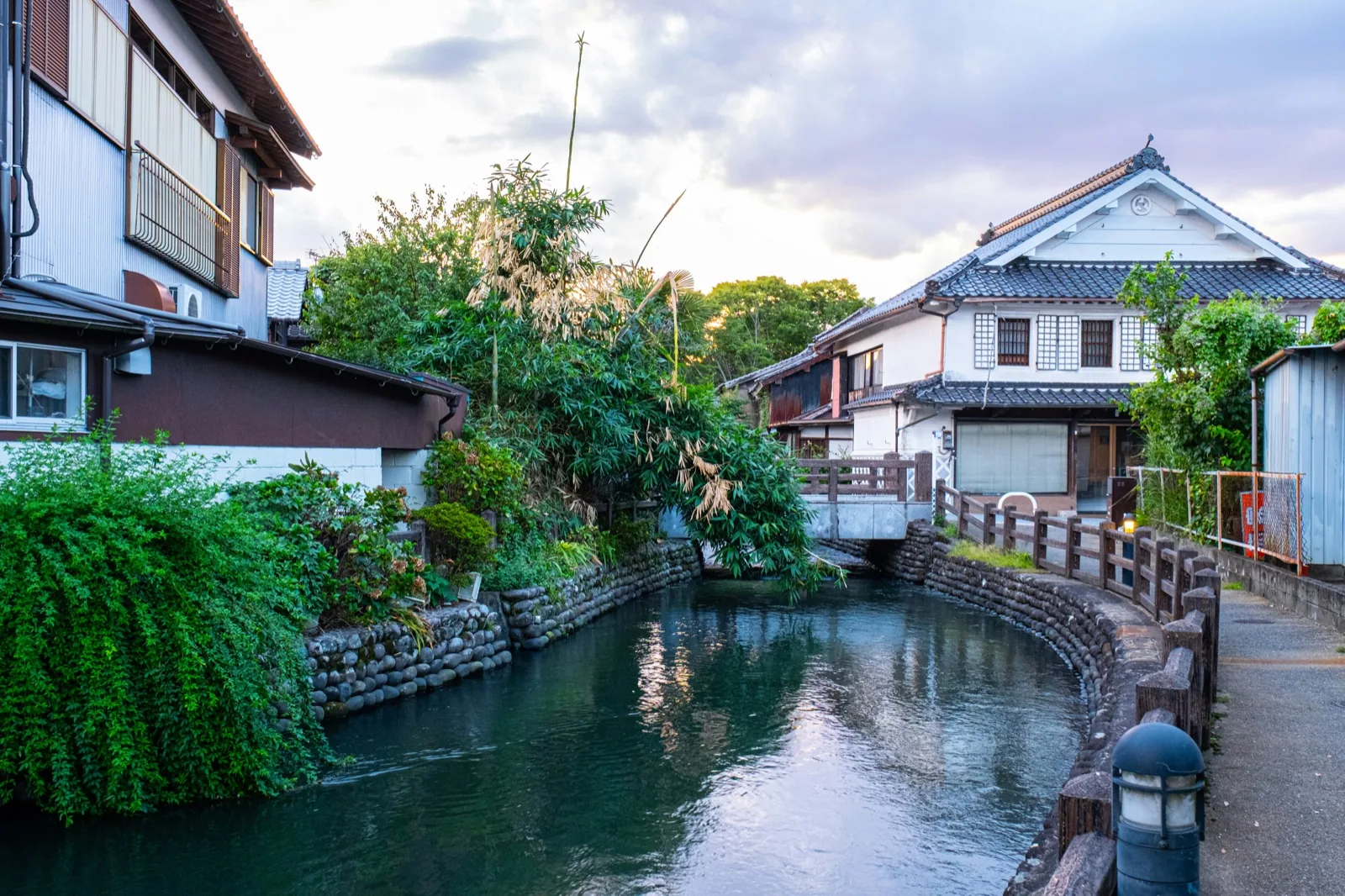
A language stay in Fukuoka shows you a different side of Japan: modern, easygoing and close to the sea. The city grew from two towns, the merchant port of Hakata and the castle town of Fukuoka. In the evening, yatai food stalls open along the river in Nakasu, serving bowls of rich tonkotsu ramen. The airport is only a few subway stops from the centre.
Fukuoka suits students who want a big Japanese city that still feels manageable, adults who love food and a relaxed daily rhythm, and motivated teenagers on supervised programmes. Many of our partner schools offer general and intensive Japanese courses. A placement test on arrival makes sure you begin at the right level, even as a complete beginner.
- Accredited partner schools in central Fukuoka
- Homestay or student residence, vetted and well connected to your school
- Placement test on arrival, from beginner to advanced
- Insurance and airport pick-up arranged in advance
Your stay at a glance
Fukuoka highlights
Make the most of your time beyond the classroom: the places worth seeing, and the city at its best.
The events that bring Fukuoka to life
From major festivals to once-a-year traditions, these are the moments that give the city its own rhythm.
Hakata Gion Yamakasa
July
Teams race huge decorated floats through Hakata's streets at dawn.
Hakata Dontaku Festival
May
Japan's biggest Golden Week festival, with parades, music and dancing.
Hojoya Festival at Hakozaki Shrine
September
One of Kyushu's largest autumn festivals, with hundreds of food and game stalls.
Frequently asked questions
Fukuoka combines everything you expect from Japan with a calmer, friendlier pace than Tokyo. A language stay in Fukuoka gives you a compact city, excellent public transport, fantastic food and easy access to the rest of Kyushu. It's a comfortable place to live Japanese daily life and use the language from morning to night.
No prior knowledge is required. Many students arrive as complete beginners, and our partner schools teach hiragana and katakana from the start. If you already know some Japanese, a placement test on arrival checks your reading, grammar and speaking so you join a class that matches your level.
Yes. Many of our partner schools offer preparation courses for the JLPT, the Japanese-Language Proficiency Test, from N5 to N1. In Japan the exam is usually held in July and December, so tell us your target level and we'll suggest dates that fit the calendar.
Accommodation can be included. A vetted homestay is a wonderful way to discover Japanese family life, while a student residence offers more independence. Commuting by subway or bus is normal in Japan, so we check that your accommodation is well connected before confirming everything from Brussels.
Spring, from March to May, and autumn, from October to November, are the most pleasant seasons, with mild temperatures and cherry blossoms or autumn leaves. June and early July bring the rainy season, and summer is hot and humid. Winters are cool but generally mild. The Hakata Gion Yamakasa festival takes place in July.
Fukuoka can suit motivated teenagers, especially on structured programmes with supervision and homestay accommodation. Japan is a long journey from Belgium and culture shock is real, so preparation matters. Minimum ages vary by school, and some courses are reserved for adults. Contact us and we'll advise you on the options available.