Seville & Andalucía with your class
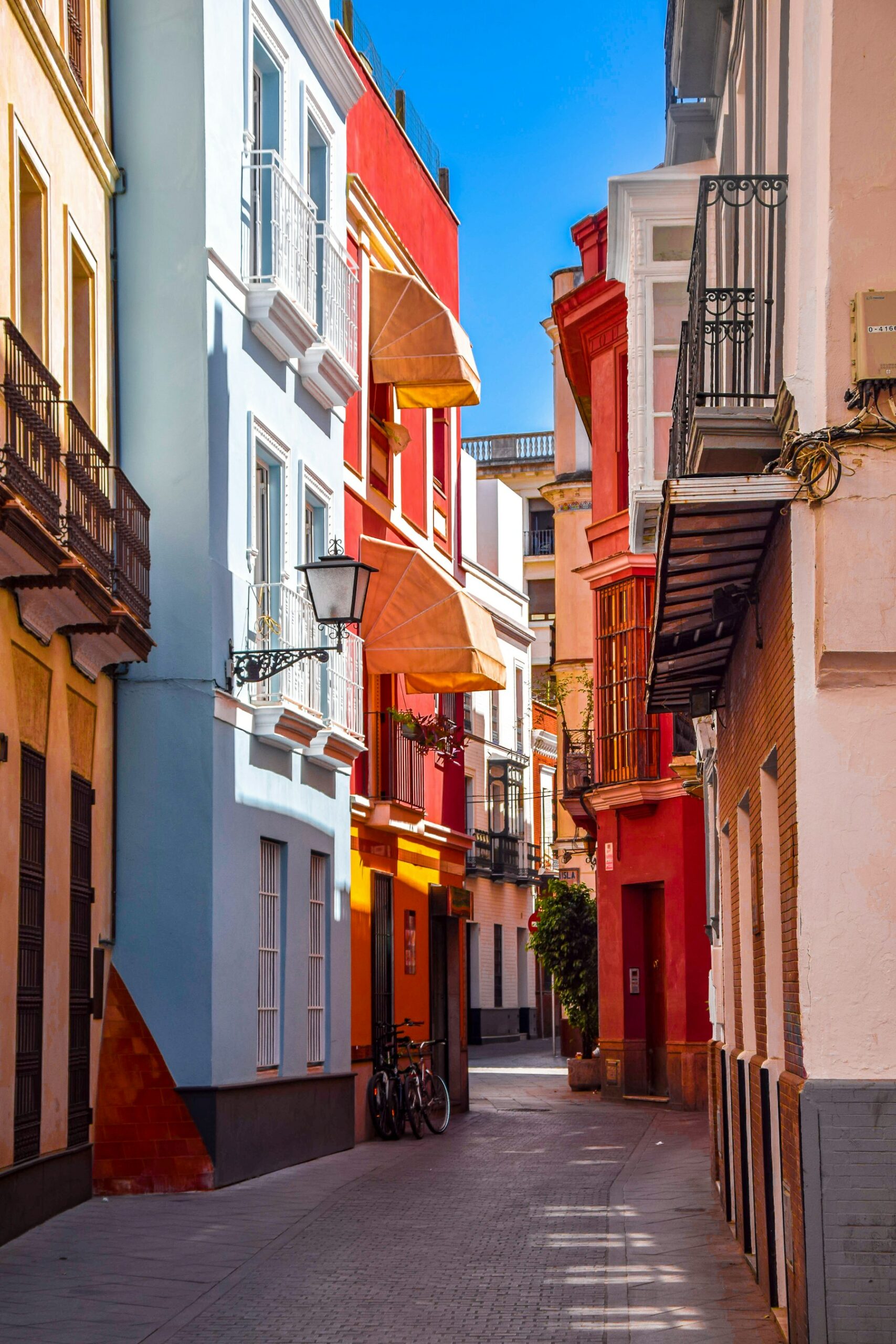
Seville is the soul of Andalucía, and arguably the most emotionally charged city in Spain. It is the city where flamenco was born, where Columbus departed for the Americas and returned in triumph, where three of the world’s great religious traditions left their architecture side by side in the streets of the old city, and where the Real Alcázar, the extraordinary Moorish palace complex still used by the Spanish royal family, stands as one of the most beautiful buildings in Europe. Students explore the cathedral and its Giralda tower (the minaret of the mosque that stood on this site before the Reconquista), descend into the underground Roman city of Itálica just outside the city, experience a live flamenco performance in the intimate Triana neighbourhood where the art form has its deepest roots, and navigate the Santa Cruz quarter’s labyrinthine lanes on foot. Spanish is everywhere, in the tapas bars, in the market, in the conversations students overhear on the tram, and the city’s warmth and openness make it one of the most rewarding language immersion destinations in the portfolio.
Trip highlights
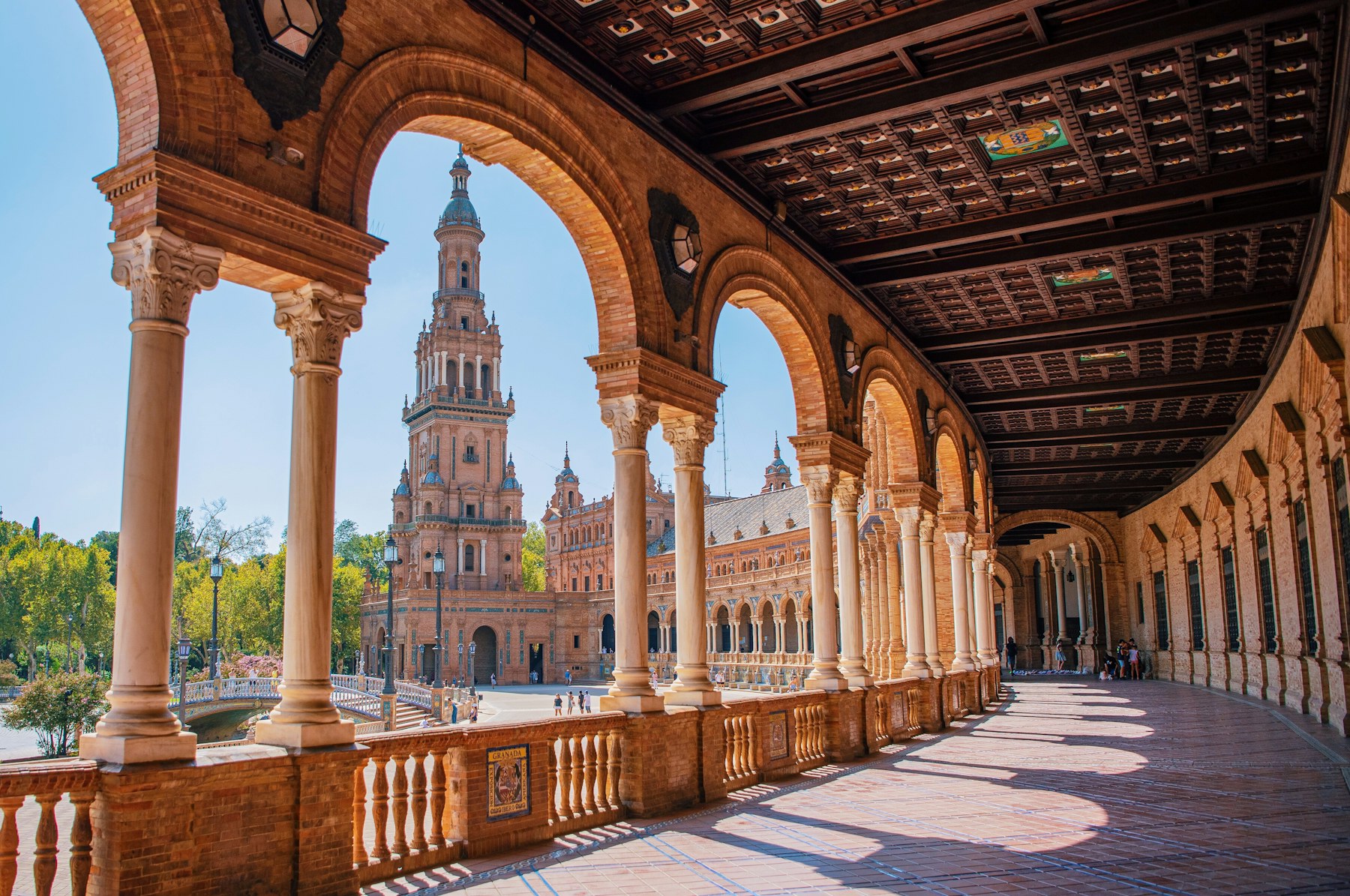
The Real Alcázar, the extraordinary Moorish palace complex at the heart of Seville, a UNESCO World Heritage Site and one of the most beautiful examples of Mudéjar architecture in the world; still used as the Spanish royal family's official residence in Andalucía
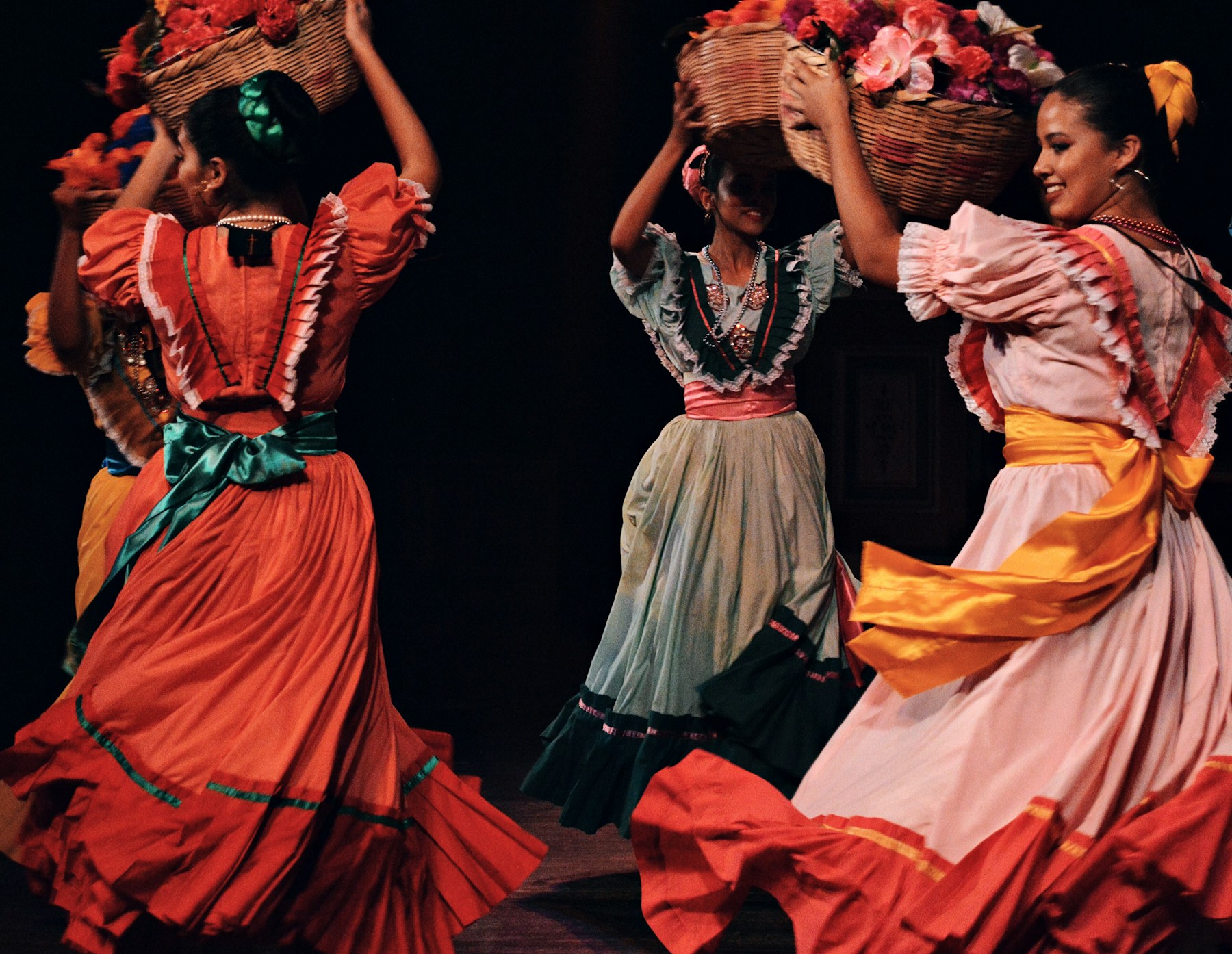
Flamenco in Triana, a live flamenco performance in the neighbourhood on the west bank of the Guadalquivir that is the art form's historic heartland, followed by an introduction to its musical and cultural roots that connects directly to Music and Cultural Studies curricula
Seville Cathedral and the Giralda, the world's largest Gothic cathedral, built on the site of the city's great mosque and incorporating its minaret as the famous bell tower; Columbus is buried here, and the scale of the building is genuinely breathtaking
Curriculum links
Practical information
- Meals: breakfast included; group dinners at traditional Andalusian restaurants, tapas culture is an essential part of the Seville experience; lunches at group's own expense
- Local currency is Euro (€); spending money recommended for the Mercado de Triana, personal purchases, and tapas
- Seville is best explored on foot and by tram; the city centre is compact and exceptionally walkable
- Spring (March–May) strongly recommended, Seville in summer is extremely hot (regularly above 40°C); spring offers ideal temperatures and the extraordinary backdrop of Semana Santa or the Feria de Abril for groups lucky enough to coincide
- On the Move is the officially accredited school trips provider for the European Schools in Belgium; every trip has a dedicated project manager with 24/7 emergency support.
A day by day
✏️ This is an example timetable: we can adapt the destination, programme, duration and budget to suit your group.
Students come home with…
- a direct, lived experience of the cultural and historical depth of Andalucía; real Spanish spoken and heard in context; a lasting impression of flamenco as a living art form rather than a tourist attraction; and the particular pleasure of a city that rewards wandering without a map.
In pictures
Language Trips - your questions
A school language trip is organised for your whole group: the entire class or year group travels together, shares accommodation and follows a programme built around your school's curriculum. An individual language stay is a personal booking for one student. On the move specialises in group programmes and handles all logistics, supervision and paperwork for schools.
All levels from complete beginners (A1) to advanced (C1). Pupils are sorted by level on arrival so every lesson is appropriately challenging. Each pupil receives a CEFR-referenced progress certificate at the end of the stay.
Our English schools in London and Dublin hold English UK or IALC accreditation. Malta partner schools are FELTOM-accredited. Barcelona schools are Instituto Cervantes-affiliated. Paris schools are certified by the French Ministry of Education. All schools are regularly inspected and all teachers are qualified.
Yes, and we encourage it. The most effective language trips blend morning classes with afternoon cultural experiences where pupils use the language naturally. We design the programme around your educational objectives and group.