Sicily with your class
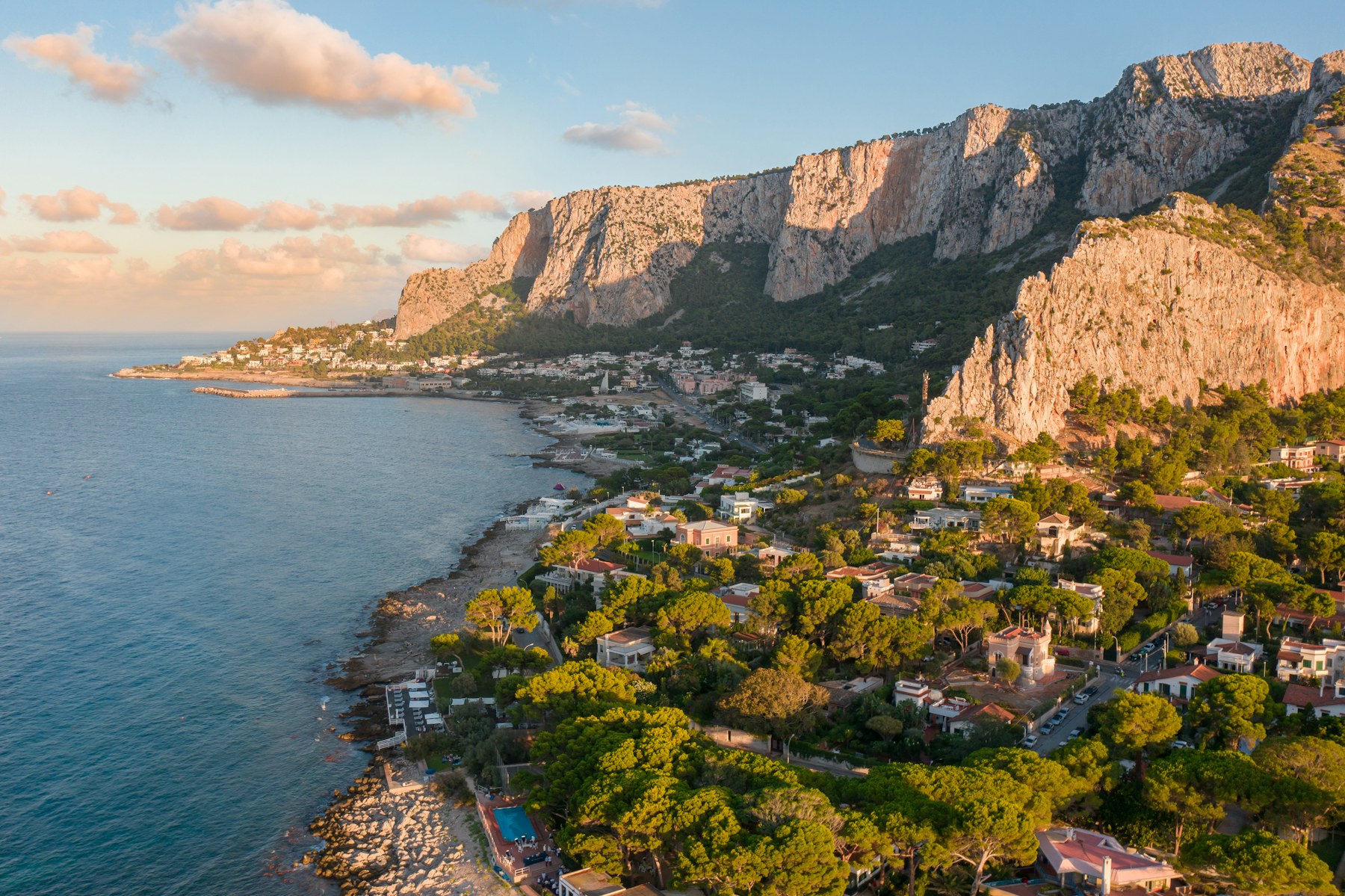
No other island in Europe layers its history quite like Sicily. Greeks, Romans, Arabs, Normans and Spanish all left their mark here, and the result is an open-air classroom where two and a half thousand years of Mediterranean civilisation sit within a short coach ride of one another. For a secondary group studying the ancient world, history, art or geography, few destinations offer so much in such a compact, vivid form, and all of it under the shadow of a living volcano.
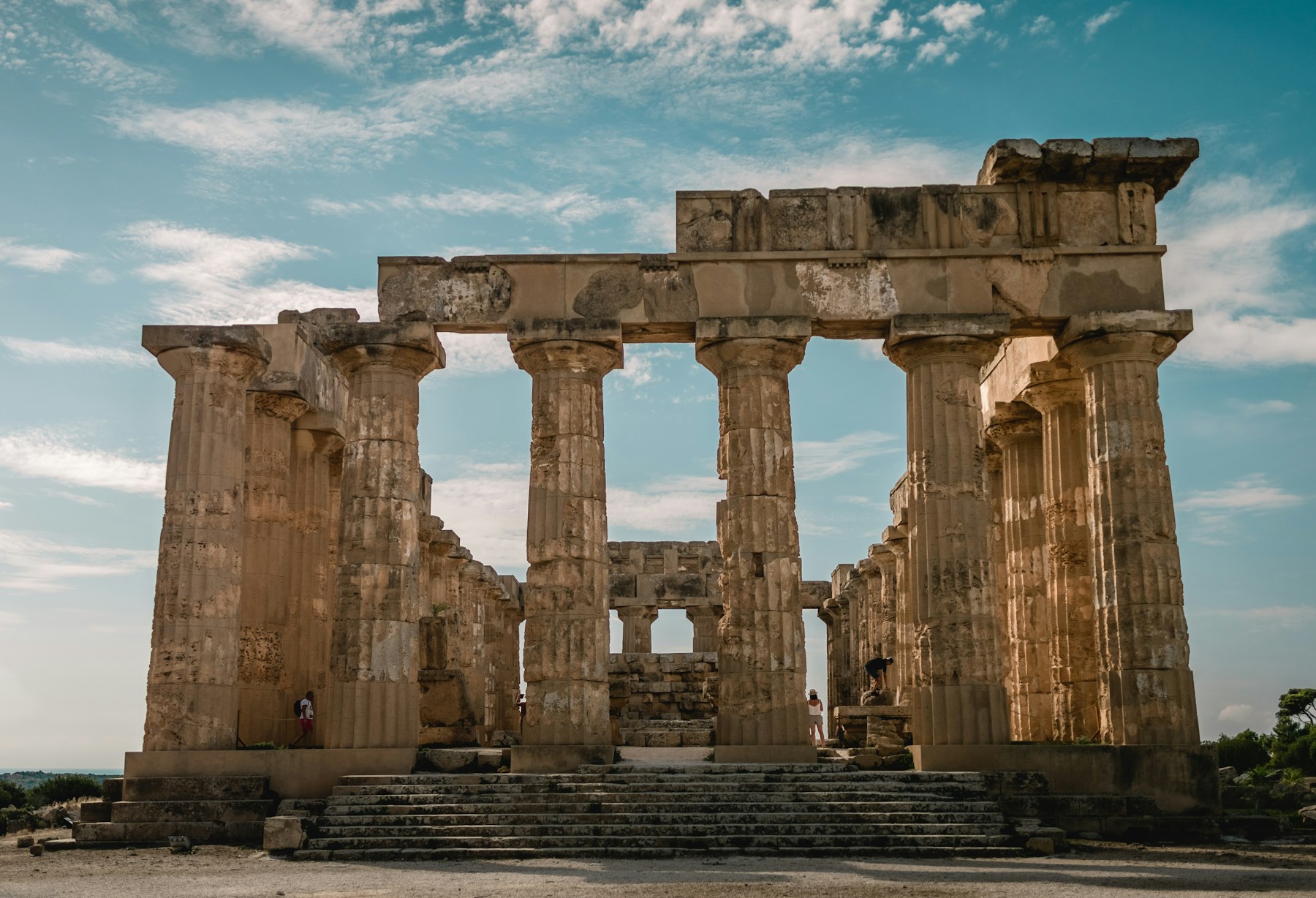
The classical heritage is extraordinary. In Syracuse, once one of the most powerful cities of the Greek world, students explore the vast Neapolis archaeological park, its Greek theatre, the Roman amphitheatre and the cavernous « Ear of Dionysius », before crossing to the island of Ortygia, the city’s atmospheric old heart. At Taormina, a Greek theatre clings to the hillside with Mount Etna framed perfectly behind the stage, while the famous Valley of the Temples or the dazzling Roman mosaics of the Villa Romana del Casale bring the ancient world into sharp, unforgettable focus.
Then there is Etna itself. Climbing the slopes of Europe’s most active volcano is the trip’s natural geography lesson, students walk among old craters and lava flows and feel the scale of a landscape still being shaped today. The island’s golden Baroque towns add another layer entirely: the UNESCO-listed cities of the Val di Noto, rebuilt in honey-coloured stone after a great earthquake, are among the most beautiful in Italy. And Sicily’s modern story is here too, the 1943 Allied landings, Operation Husky, marked a turning point of the Second World War, and the island’s war cemeteries and memorials offer a sobering counterpoint to the ancient ruins.
Beyond the sights, Sicily immerses students in Italian language and Mediterranean life, markets, food, the rhythm of the piazza. Travelling across the island and engaging with its layered culture builds not just knowledge but real perspective, and students return with a sense of how the Mediterranean world fits together that no single museum could give them.
Trip highlights
Exploring the Greek theatre and ancient quarries of Syracuse, then the island old town of Ortygia
Walking the slopes of Mount Etna, Europe's most active volcano
Discovering the golden, UNESCO-listed Baroque cities of the Val di Noto
Curriculum links
Practical information
- The trip is typically based in eastern Sicily, within reach of Catania, Syracuse, Taormina, Mount Etna and the Baroque towns of the south-east, with the Valley of the Temples or the Villa Romana del Casale as possible additions.
- Sicily enjoys a warm Mediterranean climate; sun protection, sturdy footwear for Etna and layers for higher altitudes are advisable.
- Local currency is the euro; spending money recommended.
- On the Move is the officially accredited school trips provider for the European Schools in Belgium; every trip has a dedicated project manager with 24/7 emergency support.
A day by day
✏️ This is an example timetable: we can adapt the destination, programme, duration and budget to suit your group.
Students come home with…
- a first-hand grasp of the Greek and Roman worlds, an understanding of how volcanoes shape landscapes and lives, an eye for Baroque art and architecture, a window onto the Second World War in the Mediterranean, and a real feel for Italian language and culture.
In pictures
Cultural School Trips - your questions
History, art, civics, languages and religious studies all benefit. Bastogne suits primary P5 groups studying WWII; The Hague suits civics and international relations; Berlin, Aachen and Málaga are ideal for secondary history and arts groups.
Yes. We arrange expert local guides for museums, monuments and walking tours, in English or French as you prefer.
The Belgian Ardennes: Bastogne programme is specifically designed for P5 (ages 10–11), with content pitched carefully for that age. Other destinations in this category suit secondary groups.
Return travel, central accommodation, all entries and guided visits, supervision, insurance and your On the Move coordinator.