School Trips · Cultural Stays

Cultural trip to Athens

The birthplace of democracy, philosophy, and Western civilisation, Athens brings the ancient world to life in streets still used today

Greece 3–4 nights Ages 13–17
Duration
3–4 nights
Group size
15 to 70 pupils
Ages
Ages 13–17
Season
All year

Athens with your class

Athens is the foundational school trip destination for Classical Studies and ancient History, and it consistently exceeds expectations for every other curriculum group that visits it. The Acropolis is genuinely breathtaking in person in a way that no photograph prepares students for: the scale, the precision, the persistence of the Parthenon on its rocky plateau above a modern city of four million people is one of those experiences that reorganises a student's sense of time. But Athens rewards students who go beyond the Acropolis, the ancient Agora below the hill (where Socrates taught, where Athenian citizens voted, where Paul of Tarsus preached), the National Archaeological Museum (whose collections of Mycenaean gold, classical sculpture, and ancient everyday objects are unrivalled in the world), the Plaka district's Ottoman-era lanes, and the 2004 Olympic venues on the outskirts of the city all add dimension and depth to a programme that can feel like a civilisation survey in four days. The Acropolis Museum, opened in 2009 and housing the finest collection of sculpture from the Parthenon complex in existence, is one of the great new museum buildings of the 21st century, and a visit here alongside the Acropolis itself is the essential double experience of any Athens trip.
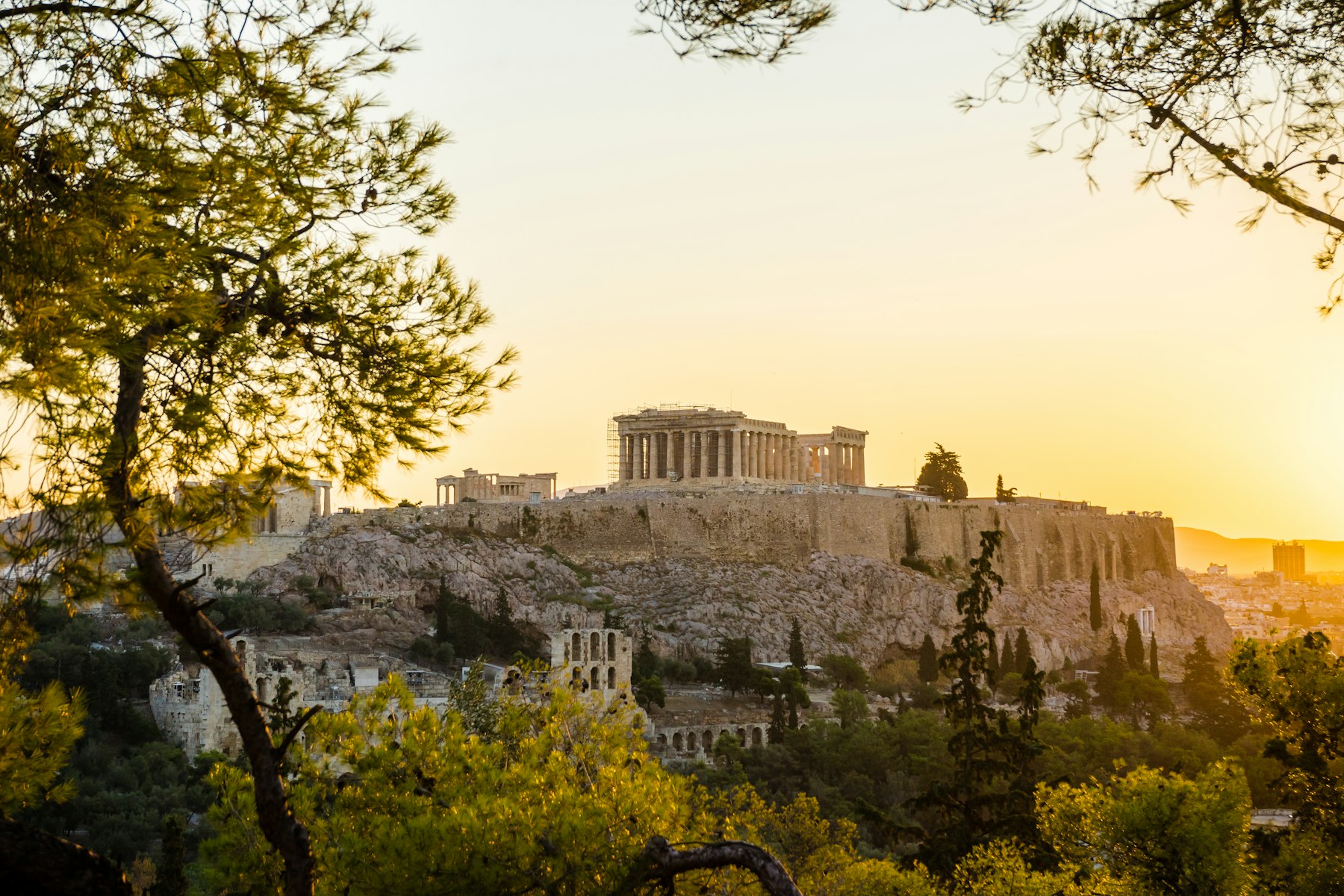
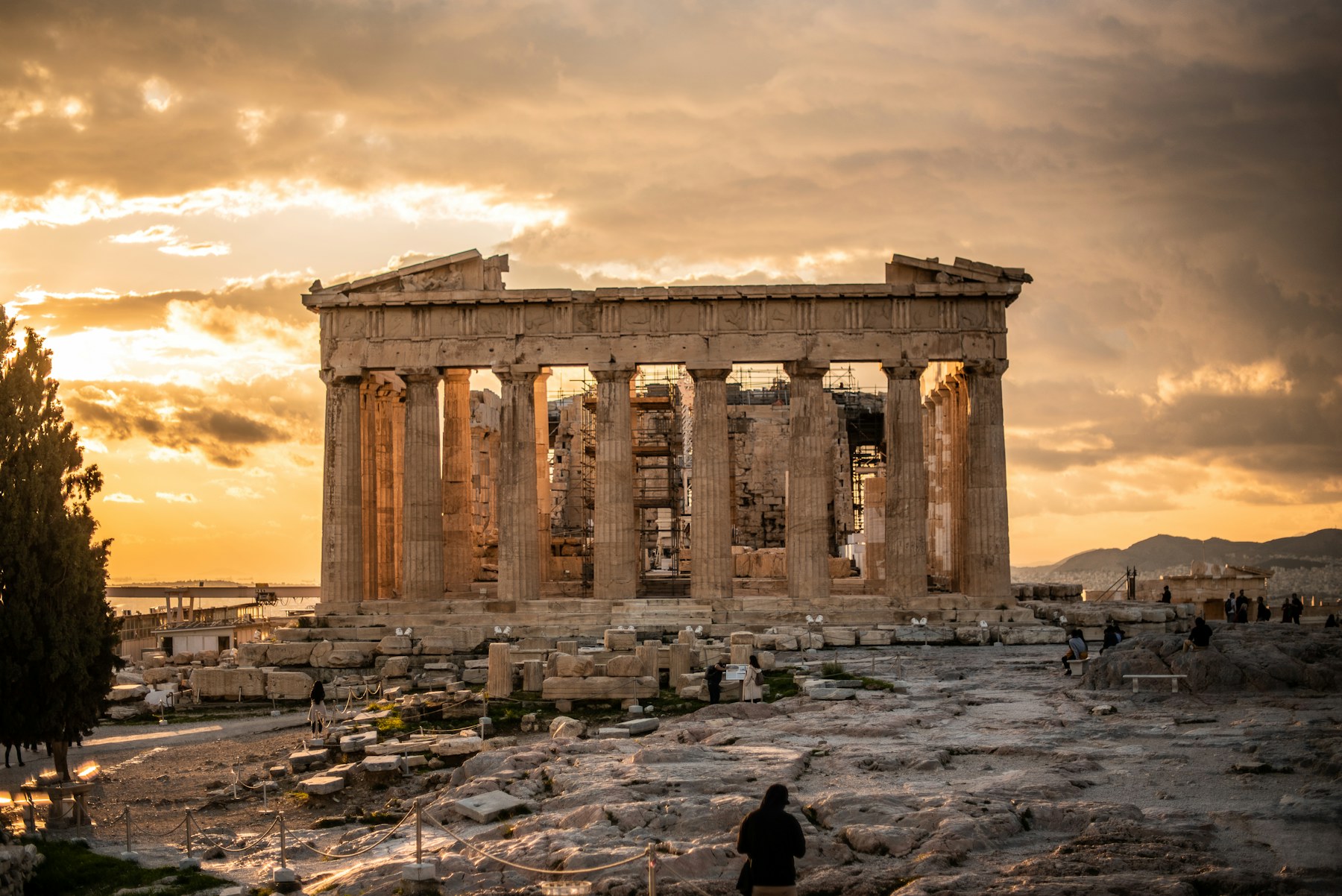
The Parthenon on the Acropolis of Athens and the ancient Agora on a Greek cultural school trip

Trip highlights

01 The Acropolis and the Parthenon

The Acropolis and the Parthenon, the defining monuments of Western civilisation, approached on foot from the Plaka through the Propylaea gate, with a guided visit that connects the architecture, the mythology, and the political history of classical Athens in a single experience

02 The Acropolis Museum

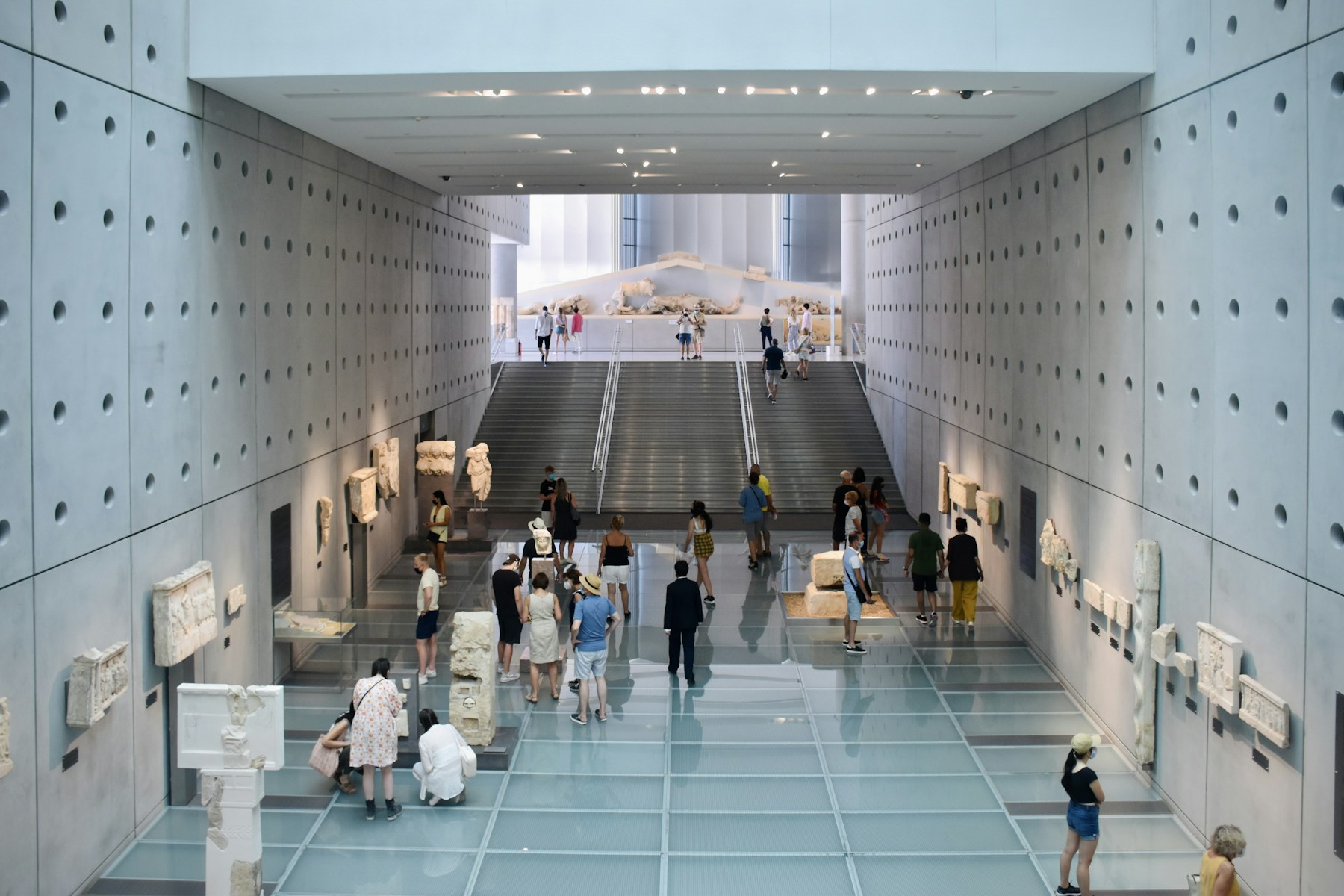
The Acropolis Museum, the extraordinary purpose-built museum at the foot of the Acropolis hill, housing the Caryatids, the Parthenon frieze, and the most comprehensive collection of Archaic and classical sculpture from the Acropolis anywhere in the world

03 The Ancient Agora

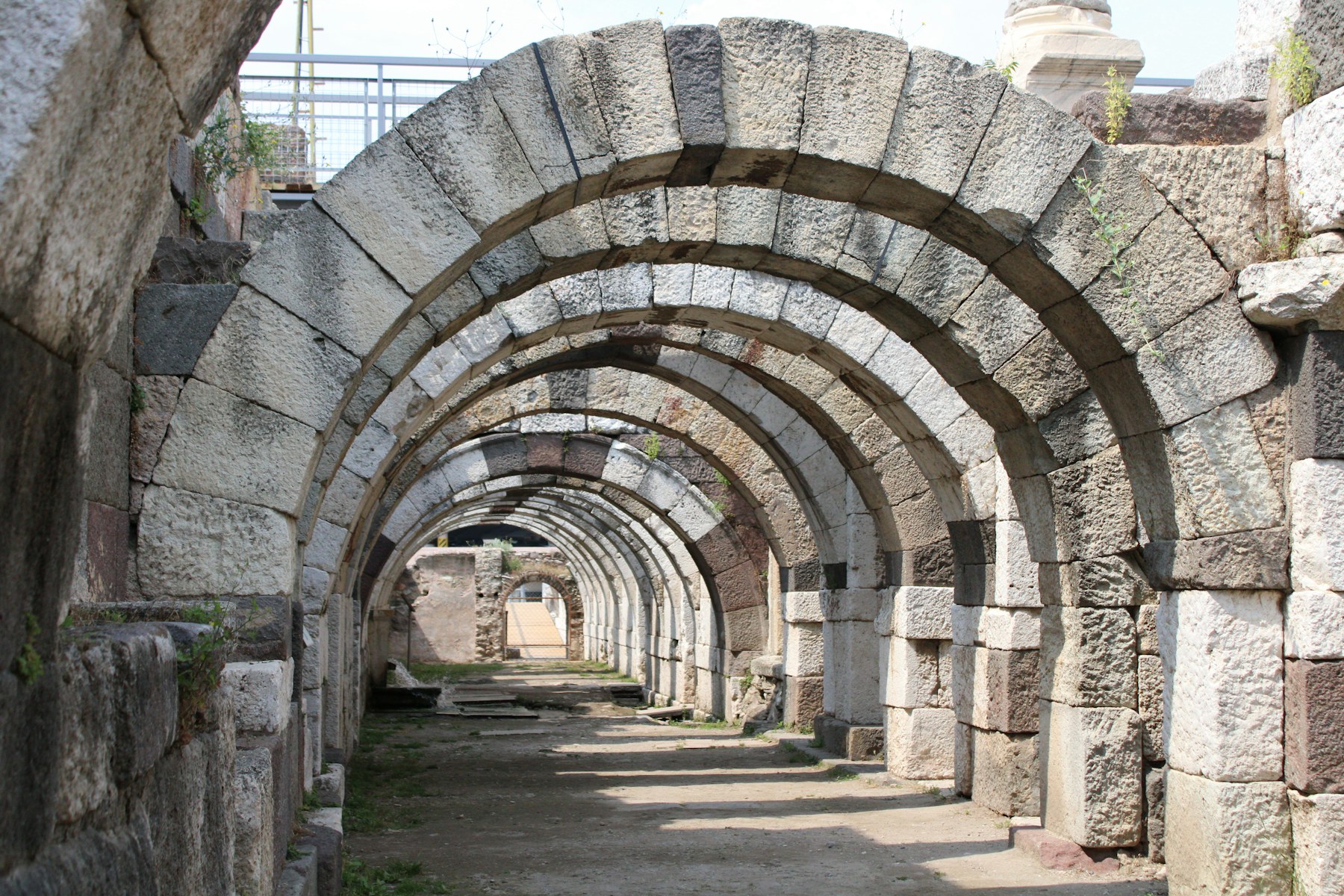
The Ancient Agora, the civic heart of classical Athens, where Athenian democracy was practised, where Socrates debated, and where the extraordinarily well-preserved Temple of Hephaistos (the best-preserved ancient Greek temple in existence) still stands as it has for 2,500 years

Curriculum links

History ancient Greece, the Persian Wars, Alexander the Great, Athenian democracy, the Byzantine Empire
Classical Studies the Parthenon, Socrates, Plato, Aristotle, Homer, Greek tragedy
Art & Architecture classical Greek architecture, sculpture, the Acropolis Museum
Citizenship the origins of democracy, the Agora as a civic space
Geography the Attica peninsula, the Mediterranean climate, urban Athens

Practical information

TransportTravel arranged to suit your school's location.
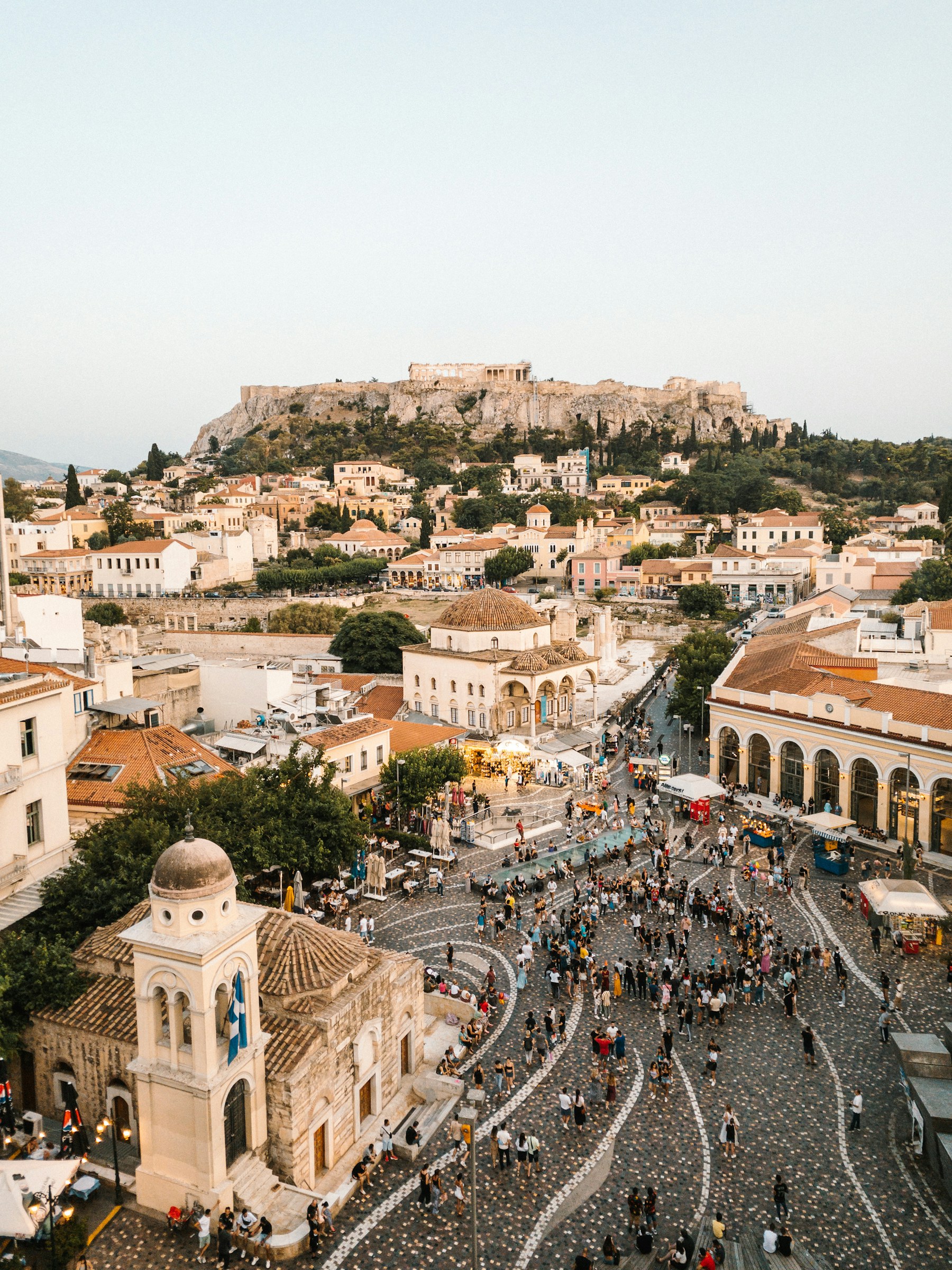
Accommodationcentrally located youth hostel or hotel in the Plaka or Monastiraki neighbourhoods, within walking distance of the Acropolis, the Agora, and the National Archaeological Museum
  • Meals: breakfast included; group dinners at traditional Greek tavernas in the Plaka; lunches at group's own expense
  • Local currency is Euro (€); spending money recommended for the Monastiraki flea market, souvlaki, and personal purchases
  • Athens is best explored on foot in the historic centre; the metro is excellent for reaching the National Archaeological Museum and the Olympic venues
  • Spring (March–May) strongly recommended, Athenian summers are extremely hot (regularly above 35°C) and the Acropolis is exposed with no shade
  • On the Move is the officially accredited school trips provider for the European Schools in Belgium; every trip has a dedicated project manager with 24/7 emergency support.

A day by day

1
Day 1
Arrival & the Plaka Arrive in Athens and make your way to the accommodation. After check-in, the afternoon is given over to a first walk through the Plaka district, the Ottoman-era neighbourhood at the foot of the Acropolis, its narrow lanes filled with neoclassical houses, small churches, and the first views of the Parthenon on the hill above. A group dinner at a traditional taverna introduces students to moussaka, spanakopita, and the particular warmth of Greek hospitality before a briefing on the following day's Acropolis visit.
2
Day 2
The Acropolis, Parthenon & Acropolis Museum The centrepiece of the trip. A guided morning visit to the Acropolis, approaching through the ancient Kerameikos cemetery and the Roman Agora, then ascending through the Propylaea gate to the plateau where the Parthenon, the Erechtheion, and the Temple of Athena Nike stand. The guide connects the mythology, the architecture, and the political history of the golden age of Pericles in a way that makes the buildings legible rather than simply spectacular. After lunch, the group descends to the Acropolis Museum for a guided afternoon visit, the Caryatids from the Erechtheion (five of the six originals, the sixth being in the British Museum), the Parthenon frieze displayed at the same scale and angle as it appeared on the building, and the extraordinary collection of Archaic Kourai. Group dinner in the Monastiraki neighbourhood with views of the illuminated Acropolis.
3
Day 3
The Ancient Agora, Socrates & the National Archaeological Museum A morning in the Ancient Agora, the civic heart of classical Athens, with the extraordinarily well-preserved Temple of Hephaistos and the reconstructed Stoa of Attalos (now a museum of everyday life in the ancient city). A guided walk connects the sites to the practices of Athenian democracy, the kleroterion (jury selection machine), the water clock used to time speeches in court, and the spot where Socrates is thought to have been tried and condemned. After lunch, the group takes the metro north to the National Archaeological Museum, the greatest collection of ancient Greek art and archaeology in the world, including the Mask of Agamemnon, the Artemision Bronze, and room after room of painted pottery, sculpture, and Mycenaean gold. Group dinner in the Exarchia or Omonia neighbourhood.
4
Day 4
Cape Sounion & Free Athens An early morning coach departure for Cape Sounion, the dramatic headland at the tip of the Attica peninsula where the Temple of Poseidon stands on a cliff above the Aegean, with views across the sea to the islands. Byron carved his name in the temple's column in 1810 (still visible), and the site connects Greek religion, landscape, and literary history in a single extraordinary location. Return to Athens for a free afternoon, the Monastiraki flea market, the street food of Psiri, or a final visit to the Acropolis by night if the summer evening programme is running. Group farewell dinner.
5
Day 5
Departure Breakfast and departure.

✏️ This is an example timetable — we can adapt the destination, programme, duration and budget to suit your group.

Students come home with…

  • a direct, embodied understanding of the ancient world as a place where real people lived, argued, voted, and built, not as a chapter in a textbook but as a city they have walked through; and the particular humility that comes from standing in front of something 2,500 years old that still makes complete architectural sense.

In pictures
Cultural Stays - your questions

History, art, civics, languages and religious studies all benefit. Bastogne suits primary P5 groups studying WWII; The Hague suits civics and international relations; Berlin, Aachen and Málaga are ideal for secondary history and arts groups.

Yes. We arrange expert local guides for museums, monuments and walking tours, in English or French as you prefer.

The Belgian Ardennes — Bastogne programme is specifically designed for P5 (ages 10–11), with content pitched carefully for that age. Other destinations in this category suit secondary groups.

Return travel, central accommodation, all entries and guided visits, supervision, insurance and your On the Move coordinator.

A cultural trip to Athens?

Tell us your group and dates - we'll build the programme around you.

Plan our trip
🇫🇷 Version française bientôt disponible - currently in preview