Budapest with your class
Budapest is one of Europe’s most visually spectacular and historically layered capitals, and one of the most underused school trip destinations on the continent. The city is literally two cities: Buda, the hilly, castle-crowned western bank where the Habsburgs built their royal palace and where medieval lanes still run between Baroque churches; and Pest, the flat, grid-planned eastern bank where the extraordinary Neo-Gothic Parliament building dominates the Danube embankment and where Art Nouveau masterpieces appear around every corner. The history is dense and unflinching, bullet holes from the 1956 Uprising are still visible in the walls of the inner city, the Terror Háza museum occupies the building that served successively as Nazi and Soviet secret police headquarters, and the Shoes on the Danube memorial marks the spot where thousands of Budapest Jews were shot into the river in the winter of 1944–45. But Budapest is also a city of extraordinary thermal baths, of ruin bars and food markets, of a vibrant young population, and of the particular energy of a place that has survived everything history threw at it and emerged defiant. Few cities reward curious students as generously.
Trip highlights
Buda Castle and the Castle District, a guided walk through the medieval and Baroque heart of Buda, including the Royal Palace, Matthias Church, the Fisherman's Bastion (with its extraordinary panorama over Pest and the Parliament), and the remains of the medieval city beneath the hill
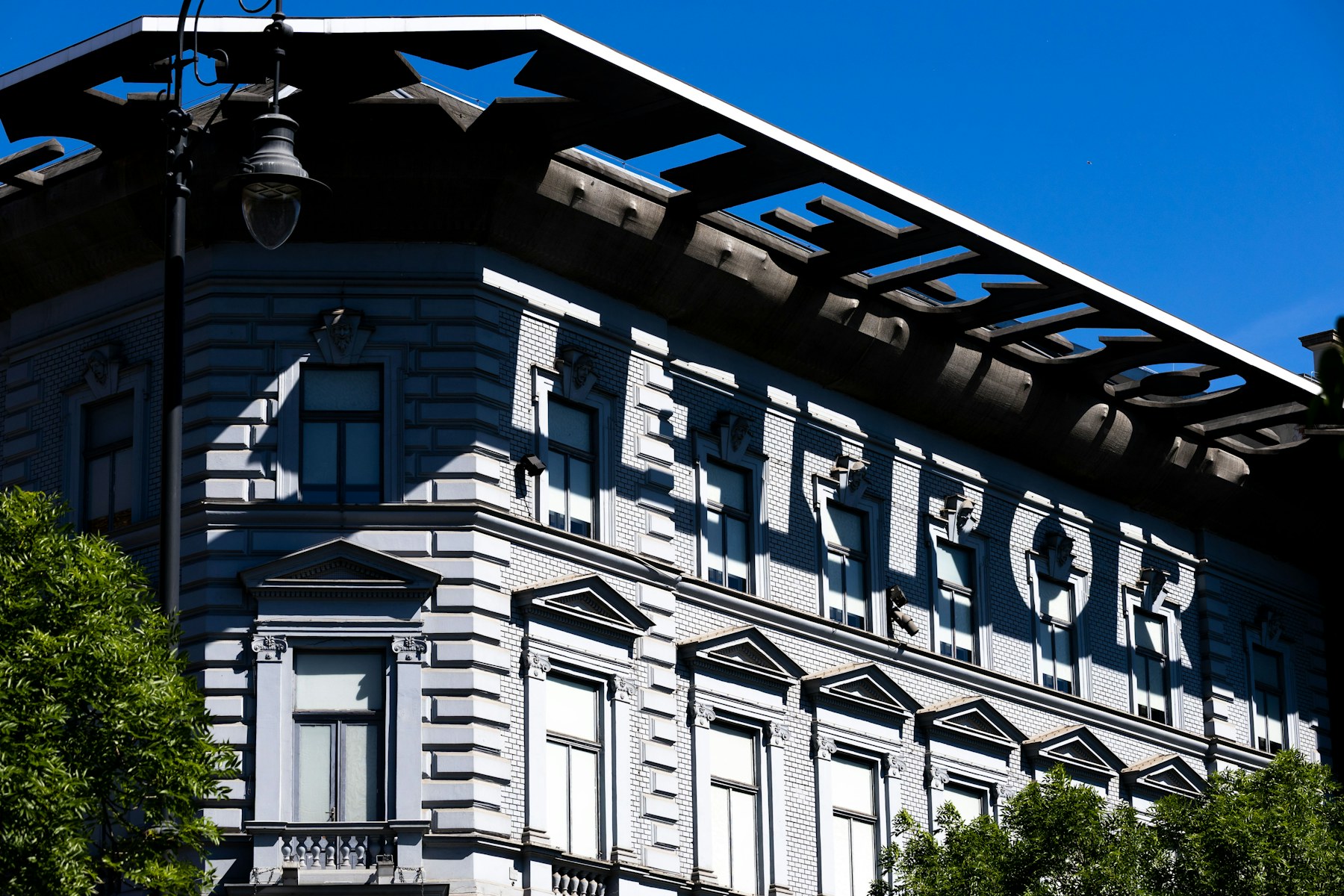
Terror Háza, the House of Terror museum occupying the former headquarters of both the Nazi Arrow Cross and the Soviet ÁVH secret police on Andrássy Boulevard; one of the most powerful and intelligently conceived political history museums in Europe, essential for any group studying 20th-century totalitarianism
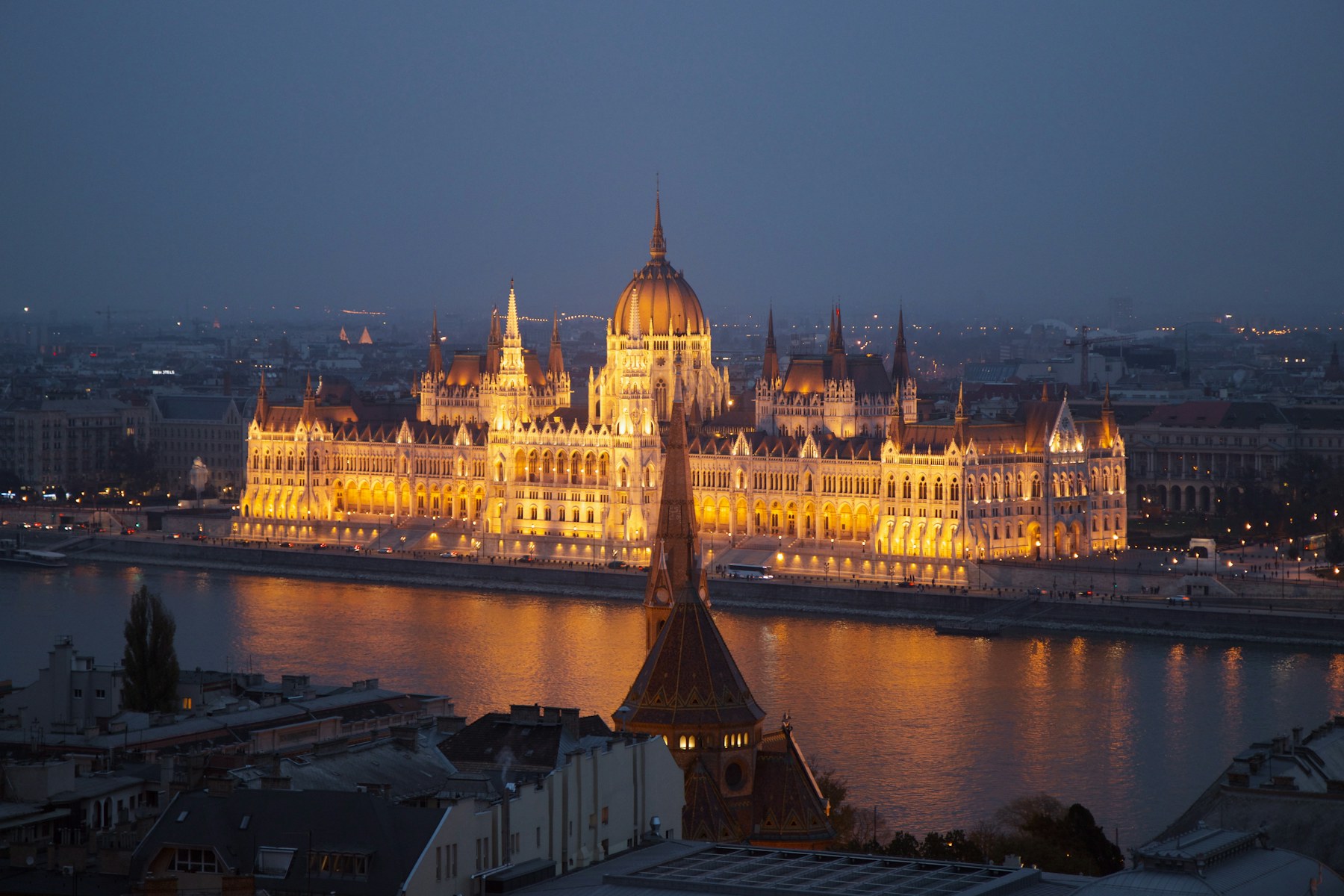
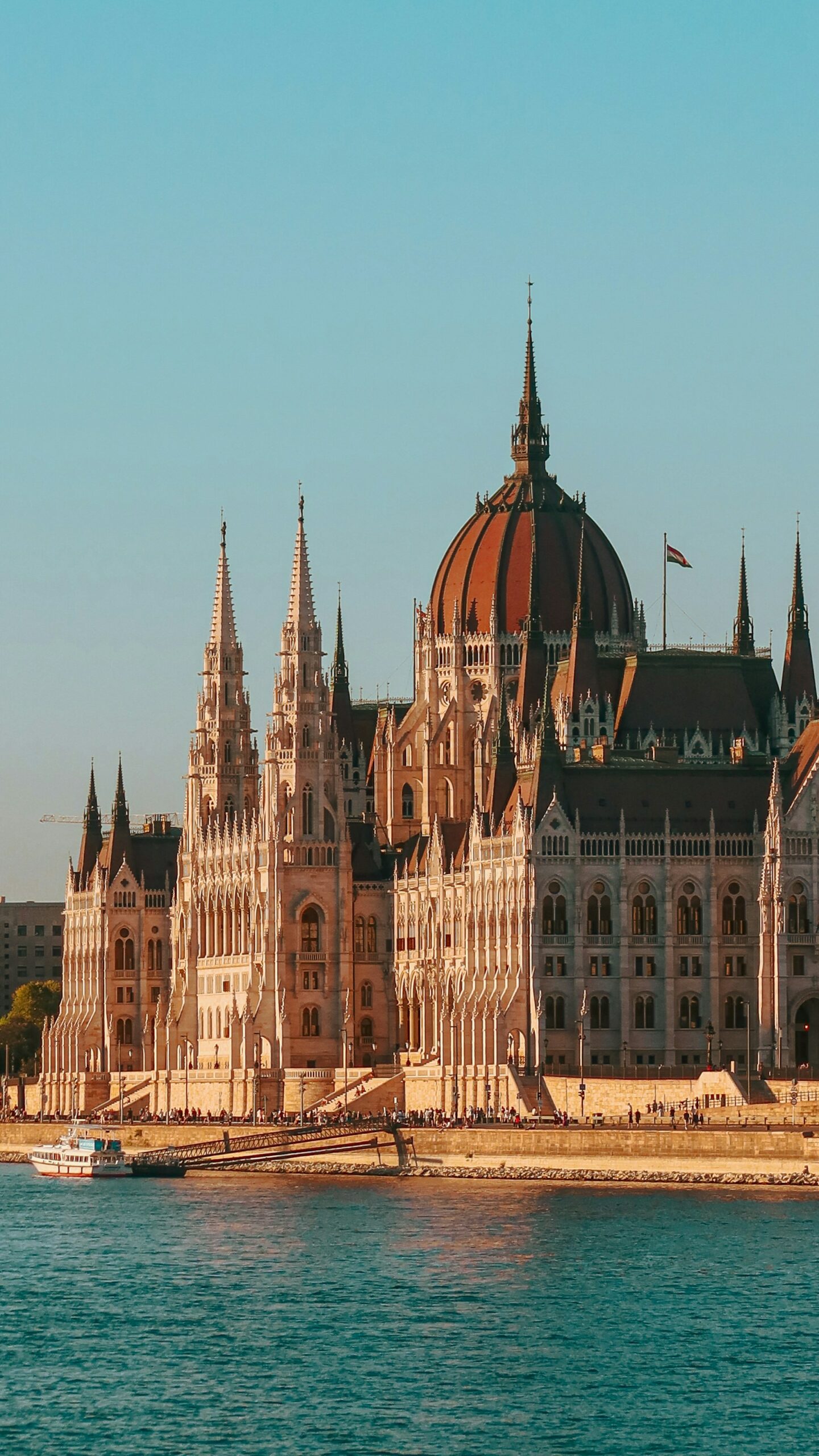
Danube panorama and the Parliament, the view of the Hungarian Parliament building from the Buda bank of the Danube is one of the great urban panoramas in Europe; a river cruise at dusk brings the full scale of the city's grandeur into focus
Curriculum links
Practical information
- Meals: breakfast included; group dinners at traditional Hungarian restaurants; lunches at group's own expense
- Local currency is Hungarian Forint (HUF); spending money recommended, Budapest is significantly more affordable than Western European capitals
- Budapest's metro (the second oldest in continental Europe) and its tram network provide easy, cheap group transport across both cities
- The Terror Háza is emotionally intense and requires teacher preparation; it is strongly recommended for History and Citizenship groups aged 14 and above
- On the Move is the officially accredited school trips provider for the European Schools in Belgium; every trip has a dedicated project manager with 24/7 emergency support.
A day by day
✏️ This is an example timetable: we can adapt the destination, programme, duration and budget to suit your group.
Students come home with…
- a profound understanding of how totalitarianism operates on a human scale, not as an abstraction but as something that happened to real people in a real building they have walked through; a lasting impression of one of Europe's most dramatically beautiful cities; and the particular pleasure of having discovered somewhere most of their peers have never considered.
In pictures
Cultural School Trips - your questions
History, art, civics, languages and religious studies all benefit. Bastogne suits primary P5 groups studying WWII; The Hague suits civics and international relations; Berlin, Aachen and Málaga are ideal for secondary history and arts groups.
Yes. We arrange expert local guides for museums, monuments and walking tours, in English or French as you prefer.
The Belgian Ardennes: Bastogne programme is specifically designed for P5 (ages 10–11), with content pitched carefully for that age. Other destinations in this category suit secondary groups.
Return travel, central accommodation, all entries and guided visits, supervision, insurance and your On the Move coordinator.