Frankfurt with your class
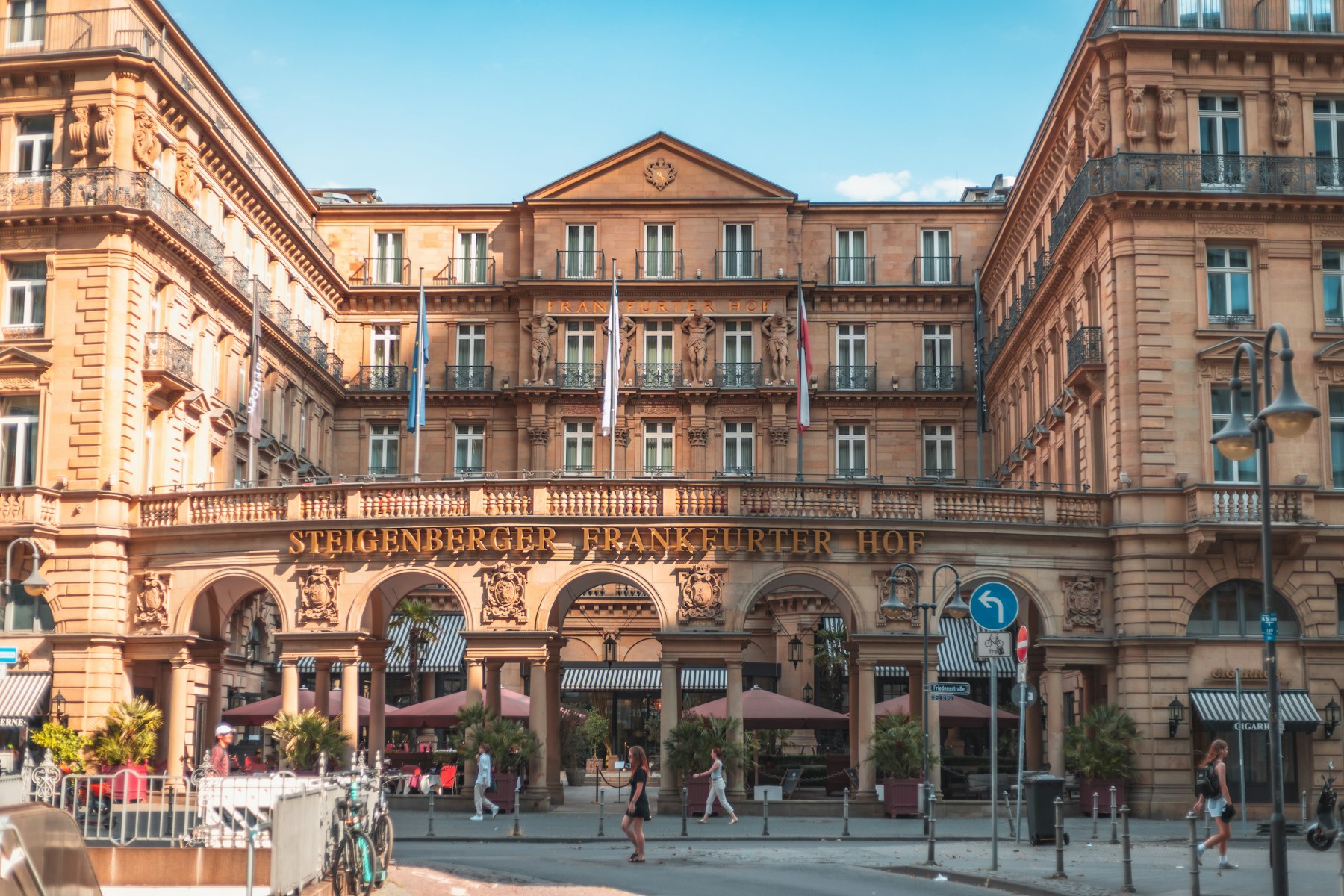
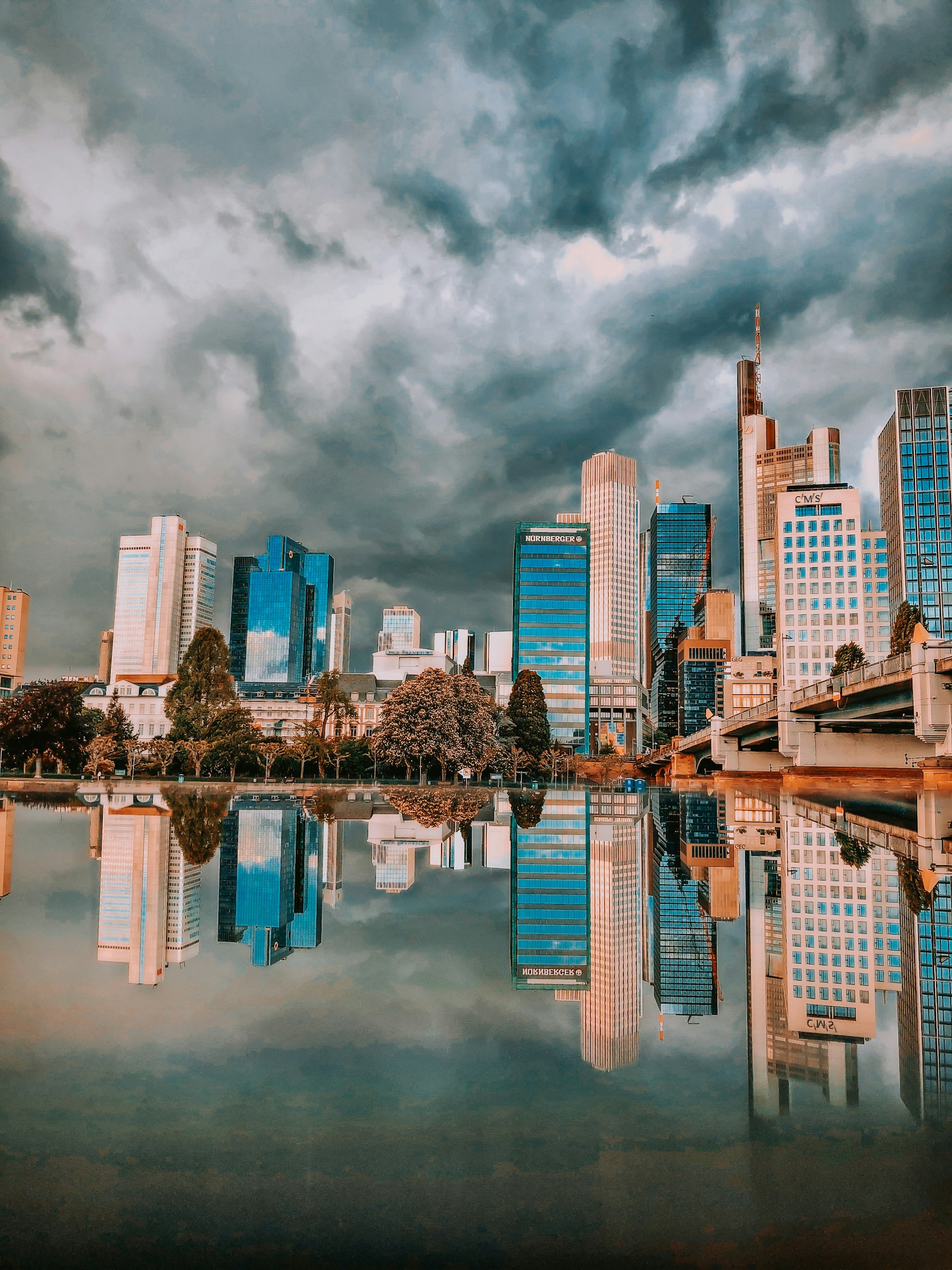
Frankfurt is unlike any other German city, a compact financial powerhouse where Europe’s only real skyline rises above a carefully rebuilt medieval core. For a secondary group studying economics, business or modern Europe, it’s an unusually relevant destination: the home of the European Central Bank and the engine room of the eurozone, set against a thousand years of imperial history.
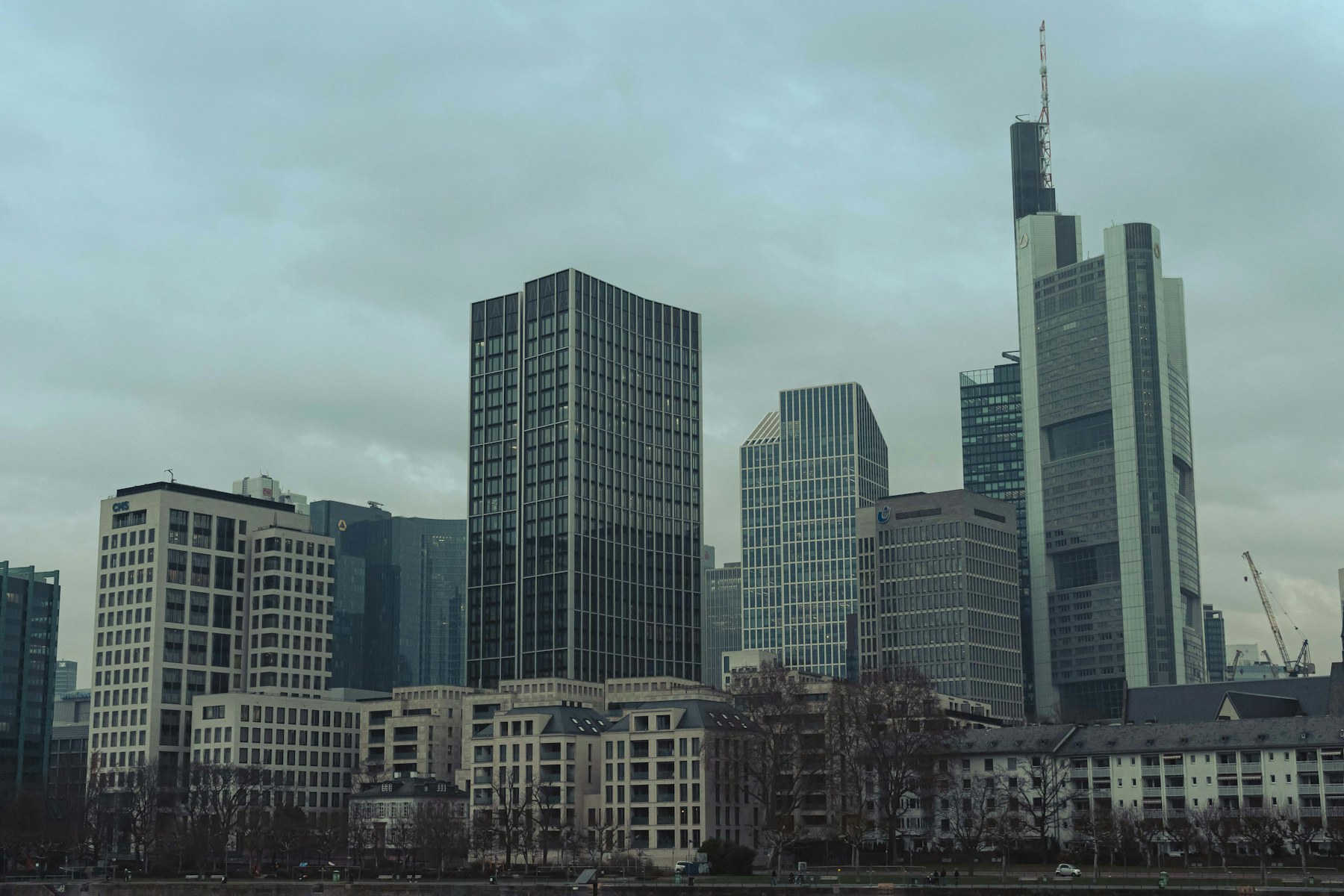
The financial story is front and centre, and unexpectedly engaging for this age. The towers of the banking district, nicknamed « Mainhattan », house the institutions that manage a continent’s money, and the Money Museum offers a genuinely hands-on introduction to how currencies, banks and the euro actually work. Standing beneath the European Central Bank, students grasp something abstract made concrete: this is where decisions affecting hundreds of millions of people are taken.
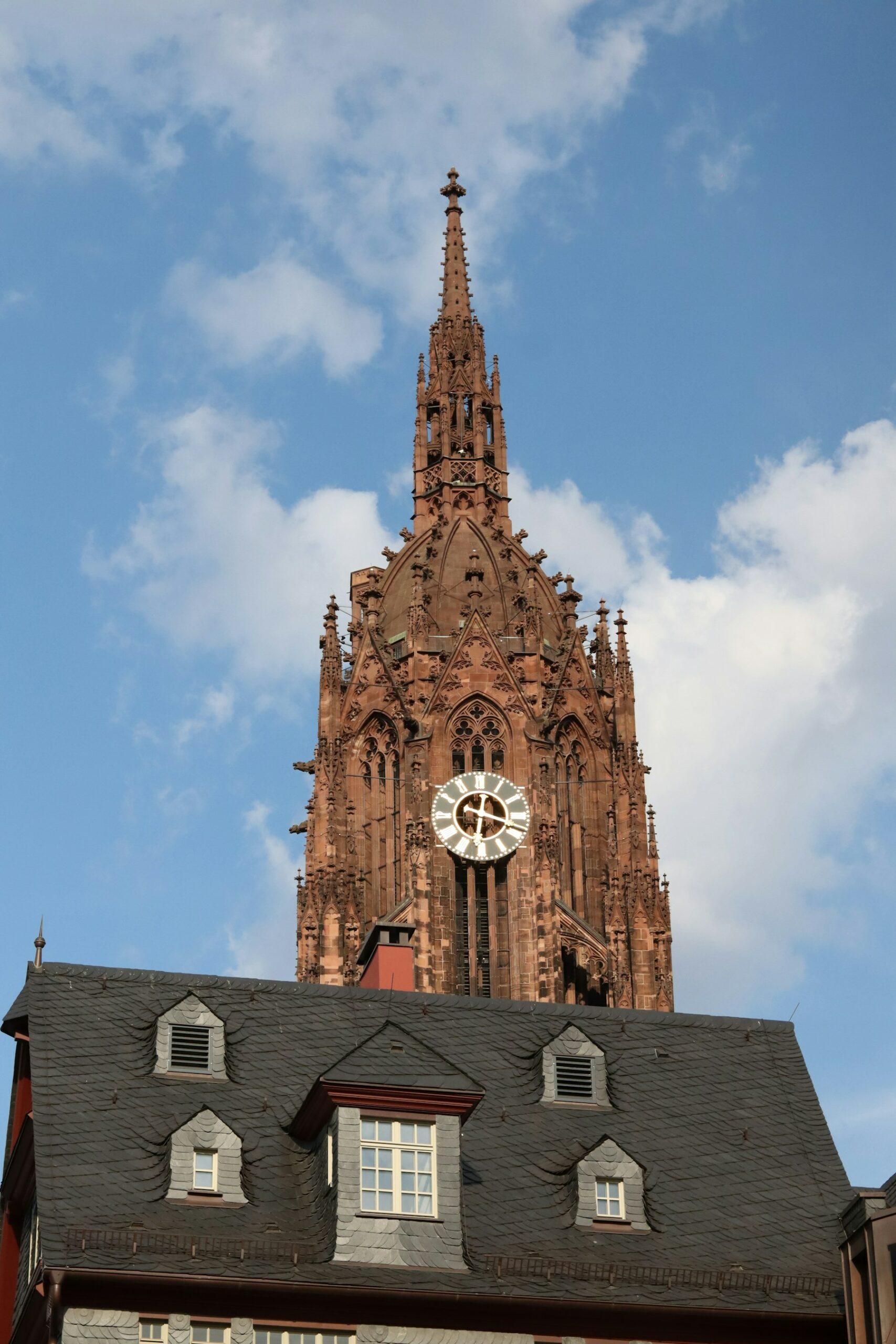
History balances the ledger. The Römerberg, the reconstructed old town square with its distinctive stepped-gable town hall, sits beside the imperial cathedral where Holy Roman Emperors were once crowned, a direct link to the medieval heart of Europe. The Goethe House, birthplace of Germany’s greatest writer, brings German literature and the Enlightenment to life, while the Städel Museum holds one of the country’s finest art collections, spanning seven centuries.
Set on the river Main, walkable and easy to navigate, Frankfurt rewards a focused few days. Students leave with a real understanding of how modern finance works, grounded in the history that shaped the city, plus practice in German and a feel for contemporary German life.
Trip highlights
The banking district and the Money Museum, economics and the euro made real
The reconstructed Römerberg old town and the imperial cathedral
The Goethe House and the Städel art museum
Curriculum links
Practical information
- Frankfurt sits on the river Main in central Germany.
- Guided or self-guided visits suit the main museums.
- Local currency is the euro; spending money recommended.
- On the Move is the officially accredited school trips provider for the European Schools in Belgium; every trip has a dedicated project manager with 24/7 emergency support.
A day by day
✏️ This is an example timetable: we can adapt the destination, programme, duration and budget to suit your group.
Students come home with…
- a practical understanding of finance, banking and the eurozone, a grounding in the history of the Holy Roman Empire and German literature, an introduction to a major art collection, and some working German.
In pictures
Cultural School Trips - your questions
History, art, civics, languages and religious studies all benefit. Bastogne suits primary P5 groups studying WWII; The Hague suits civics and international relations; Berlin, Aachen and Málaga are ideal for secondary history and arts groups.
Yes. We arrange expert local guides for museums, monuments and walking tours, in English or French as you prefer.
The Belgian Ardennes: Bastogne programme is specifically designed for P5 (ages 10–11), with content pitched carefully for that age. Other destinations in this category suit secondary groups.
Return travel, central accommodation, all entries and guided visits, supervision, insurance and your On the Move coordinator.