School Trips · Cultural Stays

Cultural trip to Normandy & the D-Day Beaches

The landscape where the Second World War turned, a history trip that leaves no student unchanged.

France 3–4 nights Ages 13–17
Duration
3–4 nights
Group size
15 to 70 pupils
Ages
Ages 13–17
Season
All year

Normandy & the D-Day Beaches with your class

Normandy is one of the most powerful and curriculum-essential history destinations in Europe, and one of the most emotionally significant trips any secondary school can offer. The D-Day beaches, the cemeteries, the preserved landing craft, and the extraordinary Mémorial de Caen transform the Second World War from a chapter in a textbook into a landscape students can walk, a choice they can contemplate, and a sacrifice they can stand in front of. The programme balances the solemnity of the beach visits and cemeteries with the medieval richness of Bayeux, home to the extraordinary 11th-century tapestry that tells the story of the Norman Conquest, and the breathtaking offshore abbey of Mont-Saint-Michel. Few trips move students as visibly as Normandy, and few generate as much genuine reflection and discussion.
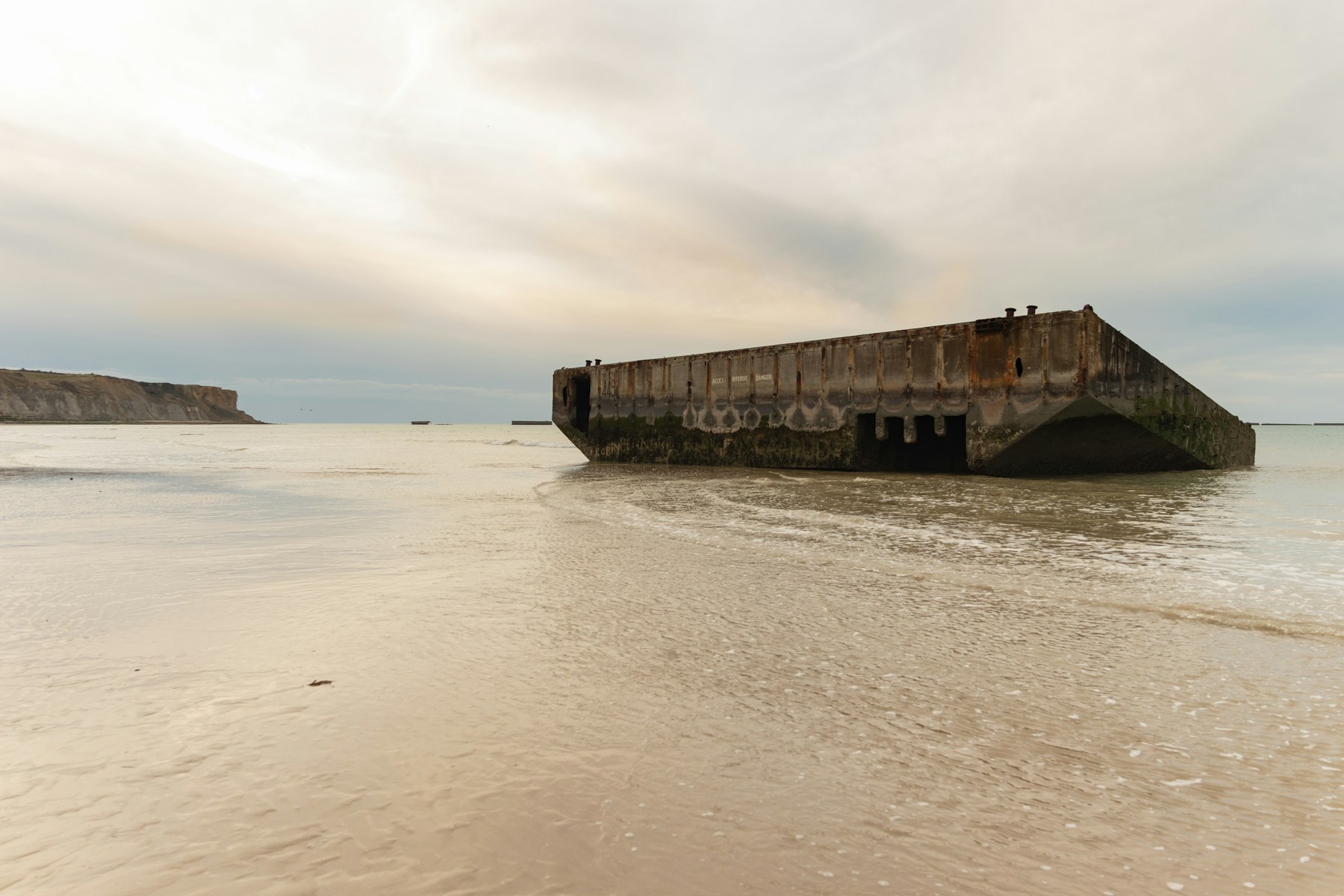
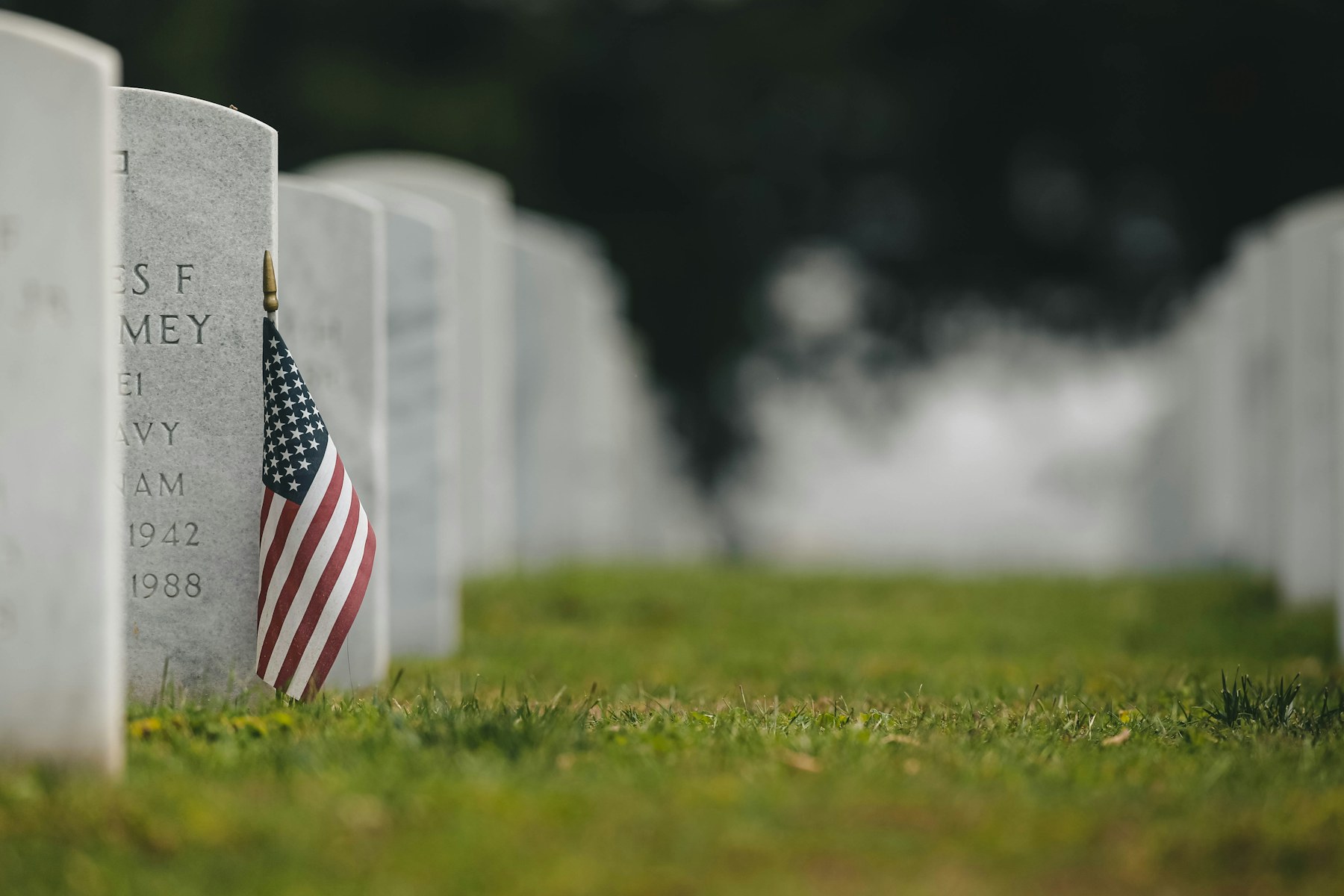
Normandy D-Day beaches school trip — American Cemetery at Colleville-sur-Mer and Omaha Beach

Trip highlights

01 The D-Day beaches and the American Cemetery

Standing on Omaha Beach and looking up at the bluffs above, then walking among the 9,387 white marble crosses of the cemetery at Colleville-sur-Mer — an experience that consistently produces the most profound student responses of any trip in the portfolio

02 The Bayeux Tapestry

The 70-metre embroidered narrative of the Norman Conquest of England, created within years of the events it depicts — one of the most extraordinary primary historical sources in existence and utterly compelling in the original

03 Mont-Saint-Michel

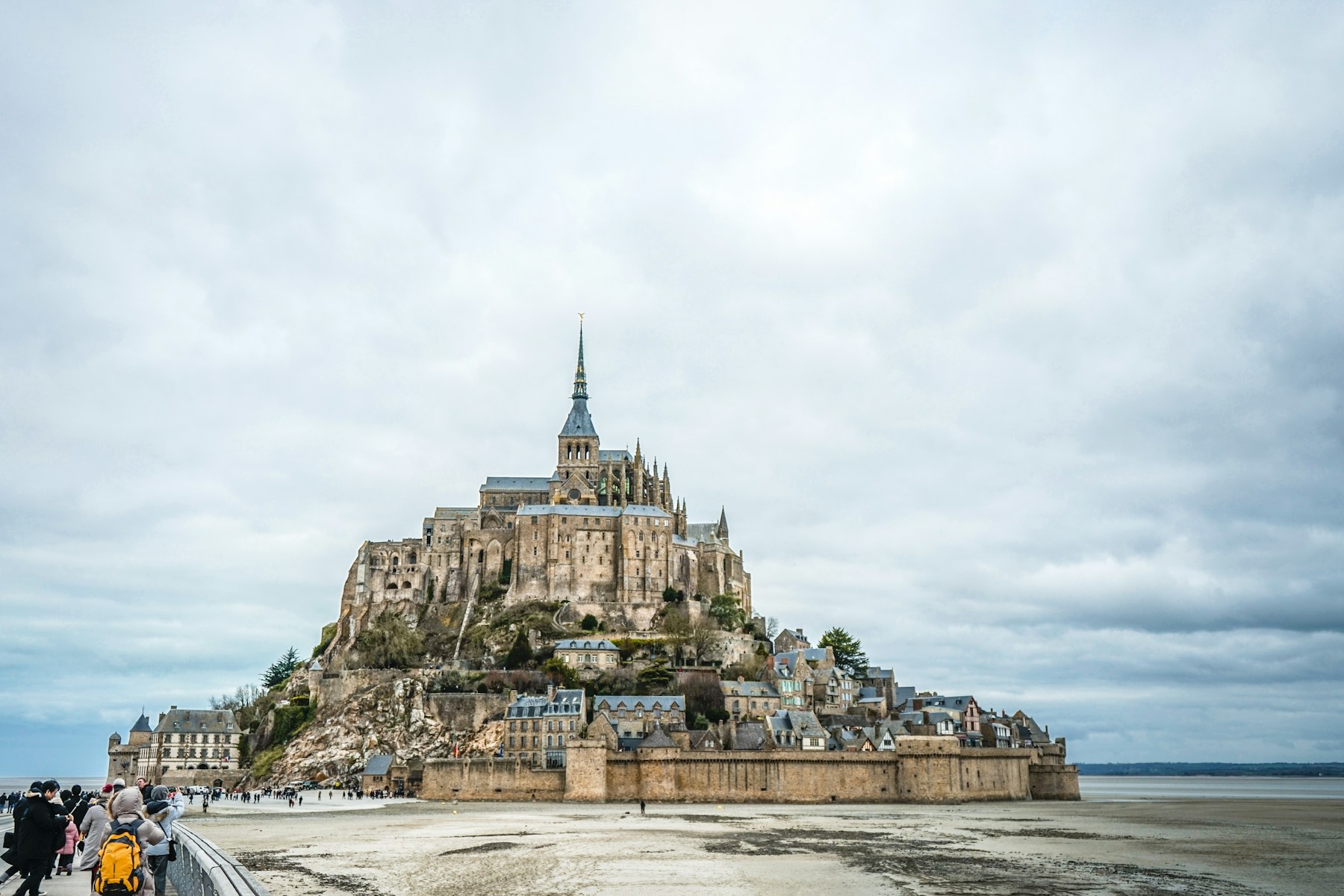
The medieval island abbey rising from the tidal bay — one of France's most visited and most dramatic sites — combines architectural history with tidal geography in a single unforgettable excursion

Curriculum links

History WWII, D-Day and Operation Overlord, the Nazi occupation of France, the French Resistance, the liberation of Western Europe
Citizenship remembrance, moral responsibility, sacrifice, international cooperation
Geography Normandy coastline, coastal landing terrain, the bocage landscape
French Language & Culture Norman heritage, medieval history, the Bayeux Tapestry

Practical information

TransportTravel arranged to suit your school's location.
AccommodationCentrally located hotel or group accommodation in Bayeux or Caen, with breakfast included — both cities place students within easy reach of all programme sites
  • Meals: breakfast included; group dinners at local Norman restaurants; packed lunches on beach days
  • Local currency is Euro (€); spending money recommended for Bayeux market, personal purchases, and Mont-Saint-Michel souvenir shops
  • The D-Day cemetery visits require careful emotional preparation; teachers are strongly encouraged to brief students in advance on behaviour expectations and the meaning of what they will see
  • The Mémorial de Caen is one of the finest WWII museums in Europe — allow at least three hours for the permanent exhibition
  • On the Move is the officially accredited school trips provider for the European Schools in Belgium; every trip has a dedicated project manager with 24/7 emergency support

A day by day

1
Day 1
Arrival & Bayeux — Arrive in Normandy and make your way to the accommodation in Bayeux — one of the few Norman cities to survive WWII almost entirely intact. After check-in and a group dinner, an evening walk through the medieval city centre, including an exterior view of the Cathedral of Notre-Dame de Bayeux, whose towers appear in the tapestry created in its shadow 950 years ago.
2
Day 2
The Bayeux Tapestry & the Mémorial de Caen — The morning opens at the Bayeux Tapestry, displayed in a purpose-built museum with excellent audio guides that bring the scenes to life for students at any level. After lunch in Bayeux's market square, the group transfers to Caen for an afternoon at the Mémorial de Caen — one of Europe's finest museums of the Second World War and the Cold War. The permanent exhibition traces the causes of WWII through the occupation of France, the Resistance, D-Day, and the liberation of Europe, culminating in a powerful meditation on peace. Allow at least three hours. Group dinner on return.
3
Day 3
The D-Day Beaches & Cemeteries — The most important and emotionally significant day of the trip. A guided tour with a specialist D-Day guide takes the group along the beaches of the Calvados coast — Sword, Juno, Gold, Omaha, and Utah — with stops at preserved landing craft, the German gun batteries at the Pointe du Hoc (where US Rangers scaled 30-metre cliffs under fire on the morning of 6 June 1944), and Omaha Beach. The afternoon moves to the American Cemetery at Colleville-sur-Mer — 9,387 white marble crosses and stars of David on a bluff above Omaha Beach — with a Visitor Center that provides essential context. Packed lunch on site. Return to accommodation for a group dinner and a teacher-facilitated reflection session.
4
Day 4
Mont-Saint-Michel & the Cotentin Peninsula — Early departure for the bay of Mont-Saint-Michel. A guided visit covers the abbey's history from its founding in the 8th century through its role as a prison during the French Revolution and its restoration as one of France's most visited sites. After lunch on the island, free time to explore the medieval streets before the coach returns. The evening is free for final exploration of Bayeux before a group farewell dinner.
5
Day 5
Final Morning & Departure — Breakfast and departure. The return journey can incorporate a stop in Rouen — the city where Joan of Arc was burned at the stake in 1431, with a remarkable Gothic cathedral and a memorial on the site of her execution — adding a final historical dimension before crossing back.

✏️ This is an example timetable — we can adapt the destination, programme, duration and budget to suit your group.

Students come home with…

  • A profound and lasting engagement with the human cost of the Second World War
  • A direct connection between the history they study in the classroom and the landscape where it happened
  • A sense of the weight of moral choices made under conditions most of us will never face

In pictures
Cultural Stays - your questions

History, art, civics, languages and religious studies all benefit. Bastogne suits primary P5 groups studying WWII; The Hague suits civics and international relations; Berlin, Aachen and Málaga are ideal for secondary history and arts groups.

Yes. We arrange expert local guides for museums, monuments and walking tours, in English or French as you prefer.

The Belgian Ardennes — Bastogne programme is specifically designed for P5 (ages 10–11), with content pitched carefully for that age. Other destinations in this category suit secondary groups.

Return travel, central accommodation, all entries and guided visits, supervision, insurance and your On the Move coordinator.

A cultural trip to Normandy & the D-Day Beaches?

Tell us your group and dates - we'll build the programme around you.

Plan our trip
🇫🇷 Version française bientôt disponible - currently in preview