Dubrovnik & the Southern Dalmatian Coast with your class
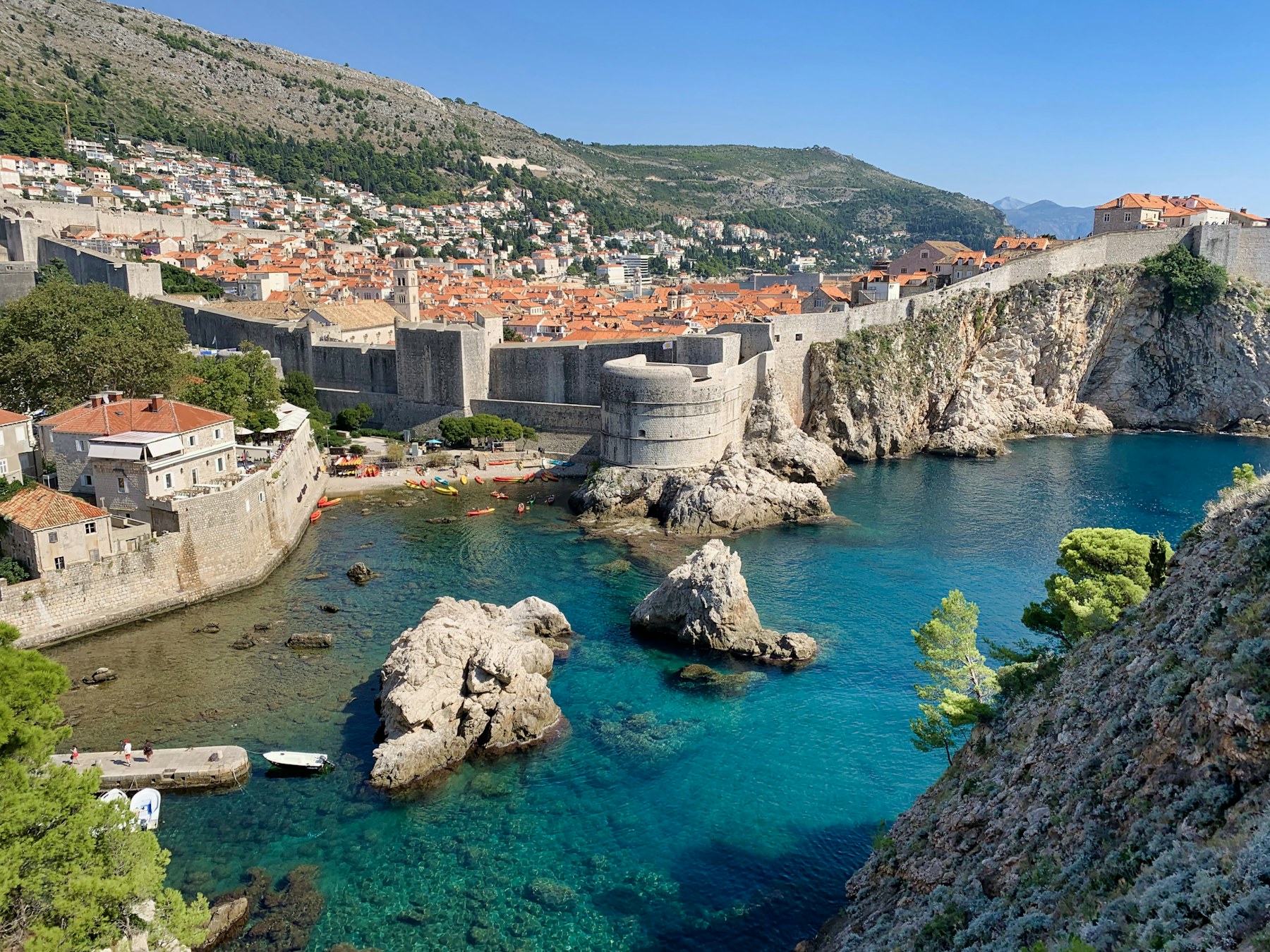
Few cities make as immediate an impression as Dubrovnik. Ringed by colossal stone walls and rising straight from the turquoise Adriatic, the old town is a complete, near-perfectly preserved medieval city, and one of the most spectacular UNESCO World Heritage sites in Europe. For an older secondary group, it offers history made tangible, dramatic coastal geography and the perspective that comes from a destination with a remarkable past.
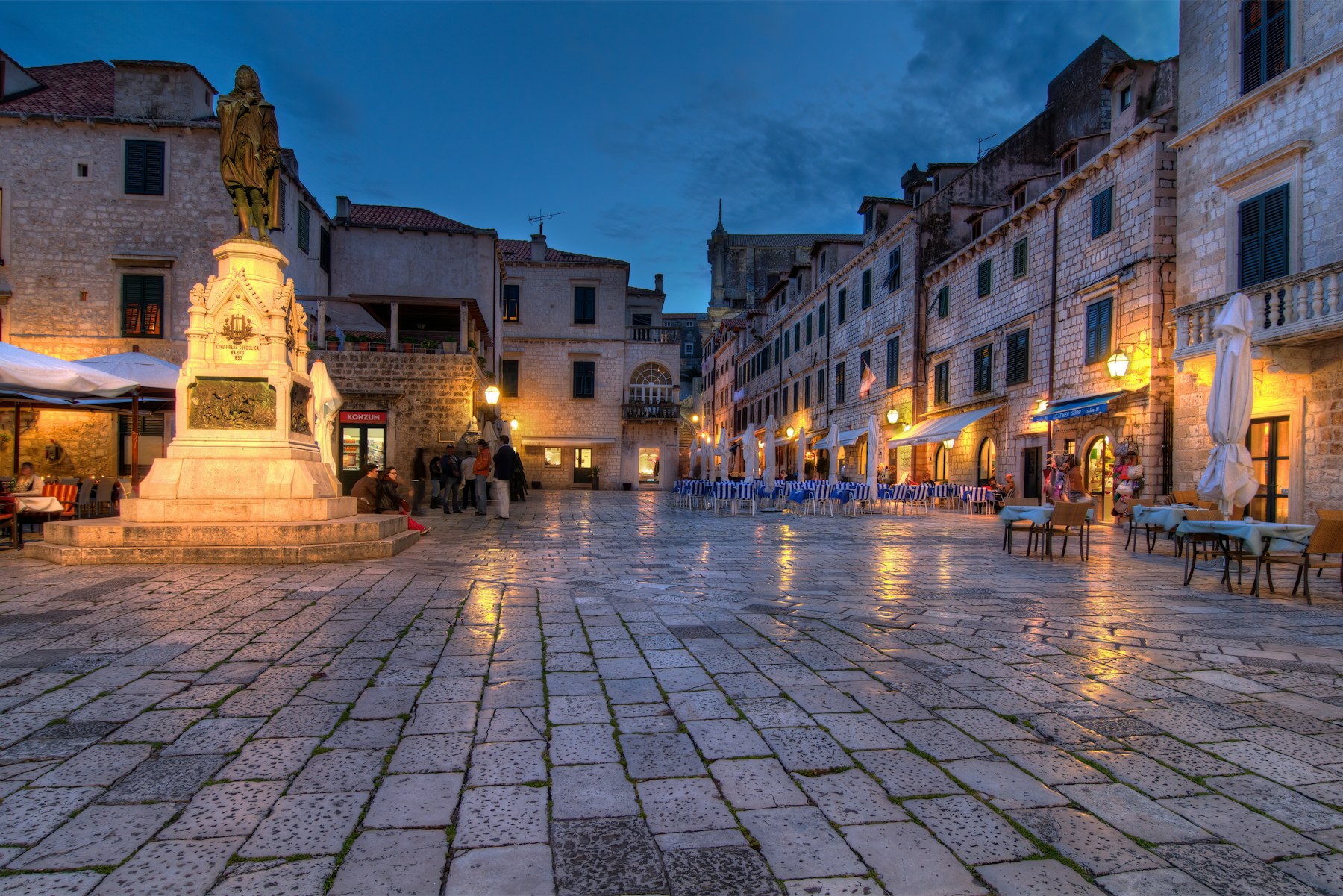
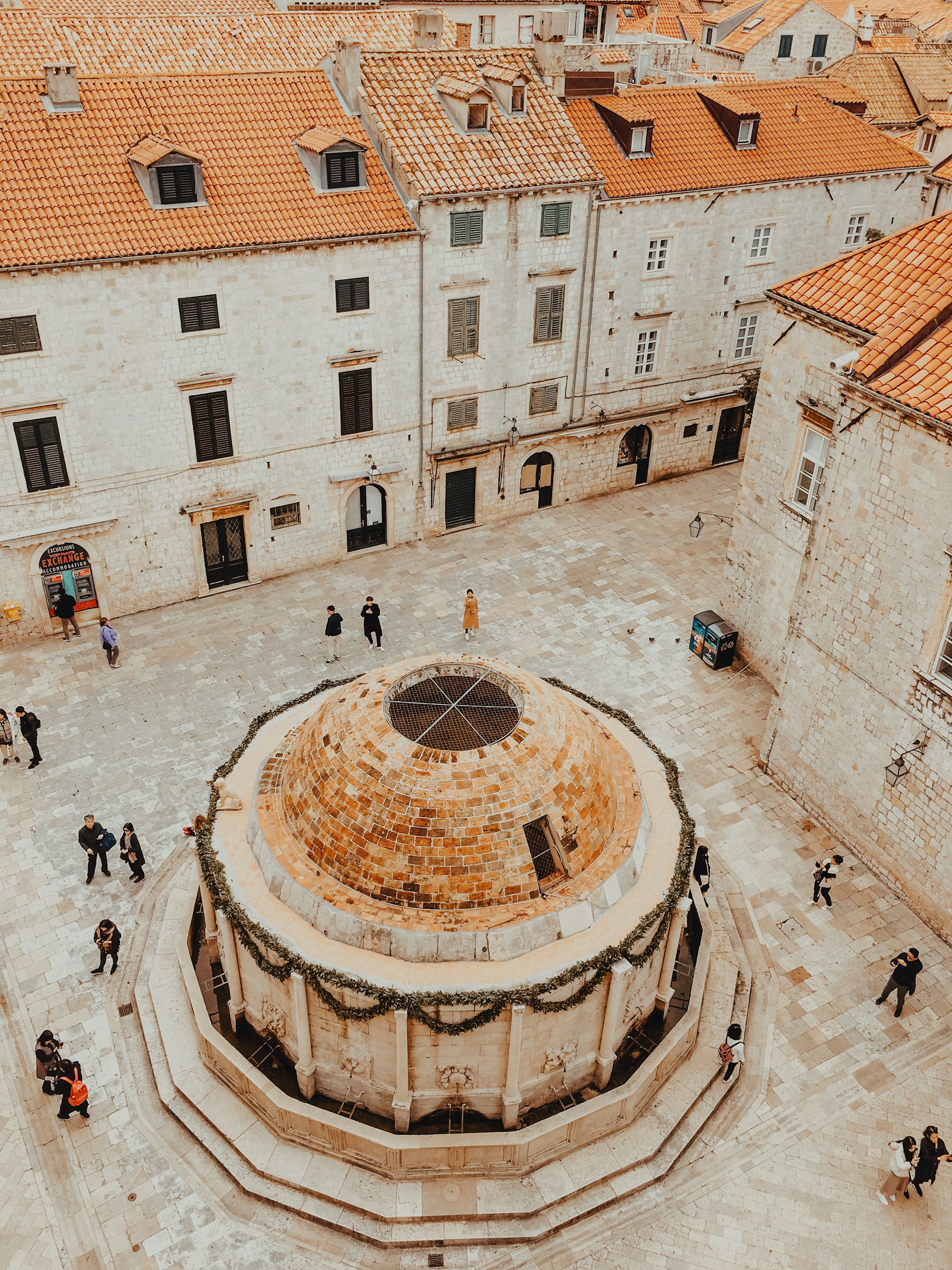
The walls are the obvious starting point. Walking the full circuit, high above the rooftops and the sea, students trace the defences of a city that for centuries governed itself as the independent Republic of Ragusa, a small but wealthy maritime power that thrived on trade and diplomacy. Inside, the marble-paved main street, the Stradun, leads past the Rector’s Palace, the Franciscan monastery with one of the oldest pharmacies in Europe, and the cathedral, a whole self-contained world of trade, faith and government.
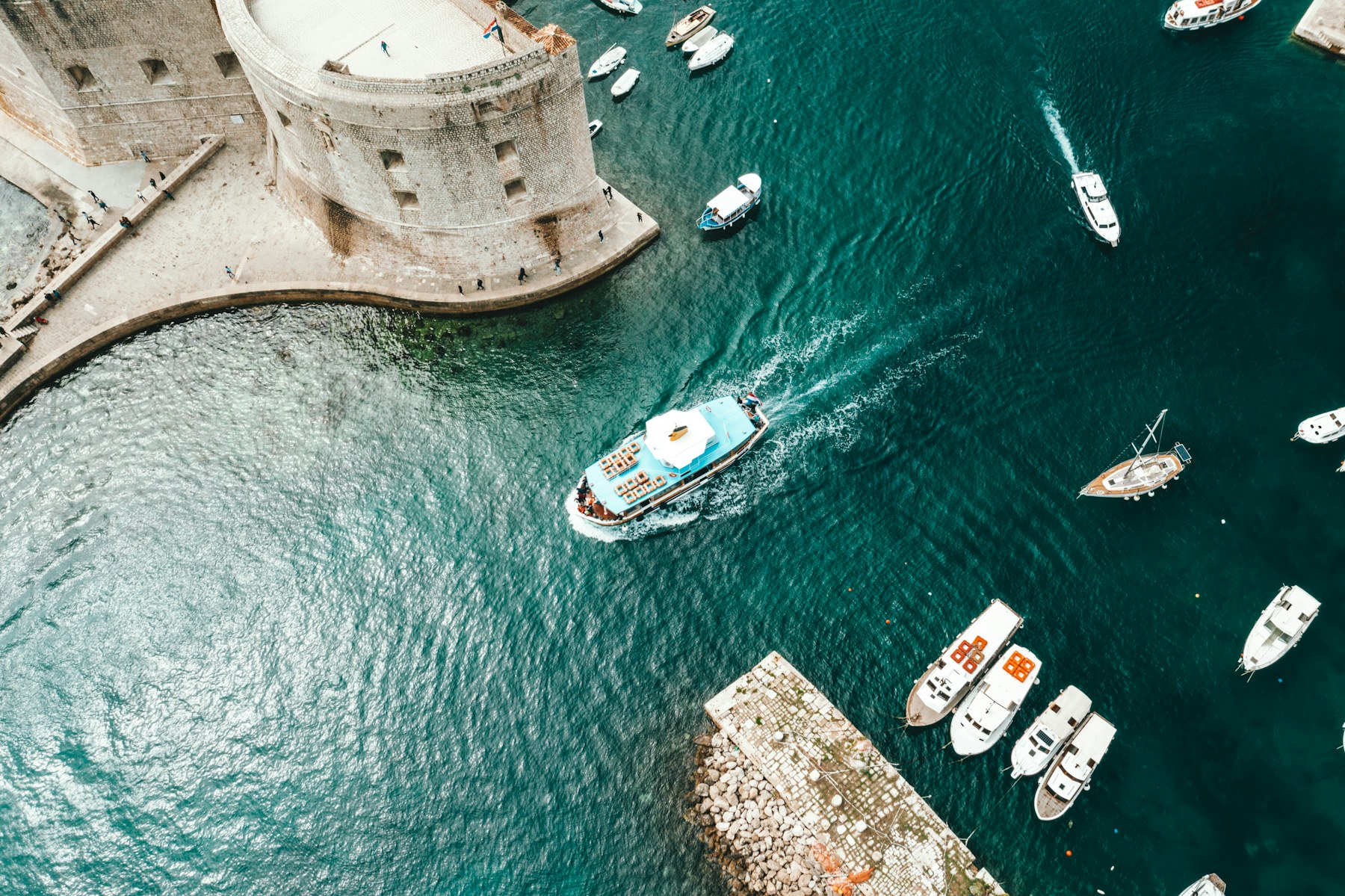
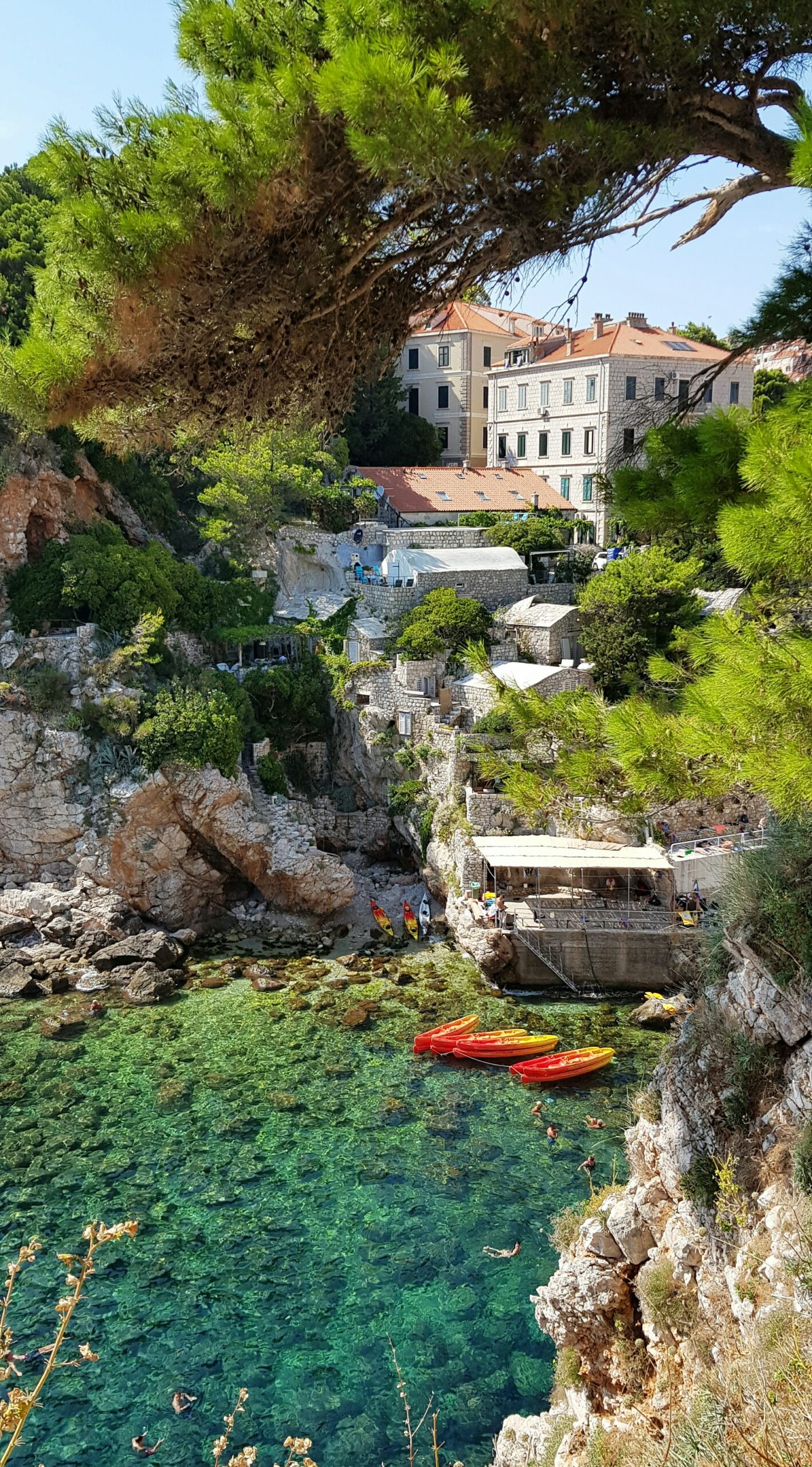
The setting is just as compelling as the city. A boat trip out to the wooded island of Lokrum or the scattered Elaphiti islands shows students the Dalmatian coast at its best, clear water, pine-covered slopes and centuries-old harbours. The surrounding geography, where steep mountains meet a string of islands, has shaped life here for millennia.
Dubrovnik’s recent history adds depth too. The city endured a lengthy siege during the conflicts of the 1990s, and its careful restoration is a powerful, accessible lesson in modern European history and resilience. Students leave with a strong grasp of medieval and modern history alike, and a real feel for the Adriatic world.
Trip highlights
Walking the complete circuit of Dubrovnik's medieval city walls
Exploring the marble-paved old town, the Stradun, the Rector's Palace and the monasteries
A boat trip to the islands of the southern Dalmatian coast
Curriculum links
Practical information
- The trip is based in Dubrovnik, on Croatia's southern Dalmatian coast, with boat trips to the surrounding islands.
- The climate is warm and Mediterranean; layers are advisable in spring and autumn.
- Local currency is the euro; spending money recommended.
- On the Move is the officially accredited school trips provider for the European Schools in Belgium; every trip has a dedicated project manager with 24/7 emergency support.
A day by day
✏️ This is an example timetable: we can adapt the destination, programme, duration and budget to suit your group.
Students come home with…
- a vivid understanding of a medieval maritime republic, a window onto recent European history and recovery, a feel for the Adriatic and its islands, and the independence of a longer trip abroad.
In pictures
Cultural School Trips - your questions
History, art, civics, languages and religious studies all benefit. Bastogne suits primary P5 groups studying WWII; The Hague suits civics and international relations; Berlin, Aachen and Málaga are ideal for secondary history and arts groups.
Yes. We arrange expert local guides for museums, monuments and walking tours, in English or French as you prefer.
The Belgian Ardennes: Bastogne programme is specifically designed for P5 (ages 10–11), with content pitched carefully for that age. Other destinations in this category suit secondary groups.
Return travel, central accommodation, all entries and guided visits, supervision, insurance and your On the Move coordinator.