Croatia: Zagreb & the Dalmatian Coast with your class
Croatia rewards a longer trip with one of the most varied journeys in Europe, from a continental capital steeped in the Middle Ages to a Mediterranean coastline where Roman emperors built their palaces. For an older secondary group, it offers history on a grand scale, landscapes that take the breath away, and the independence and perspective that come from genuinely travelling, not just visiting.
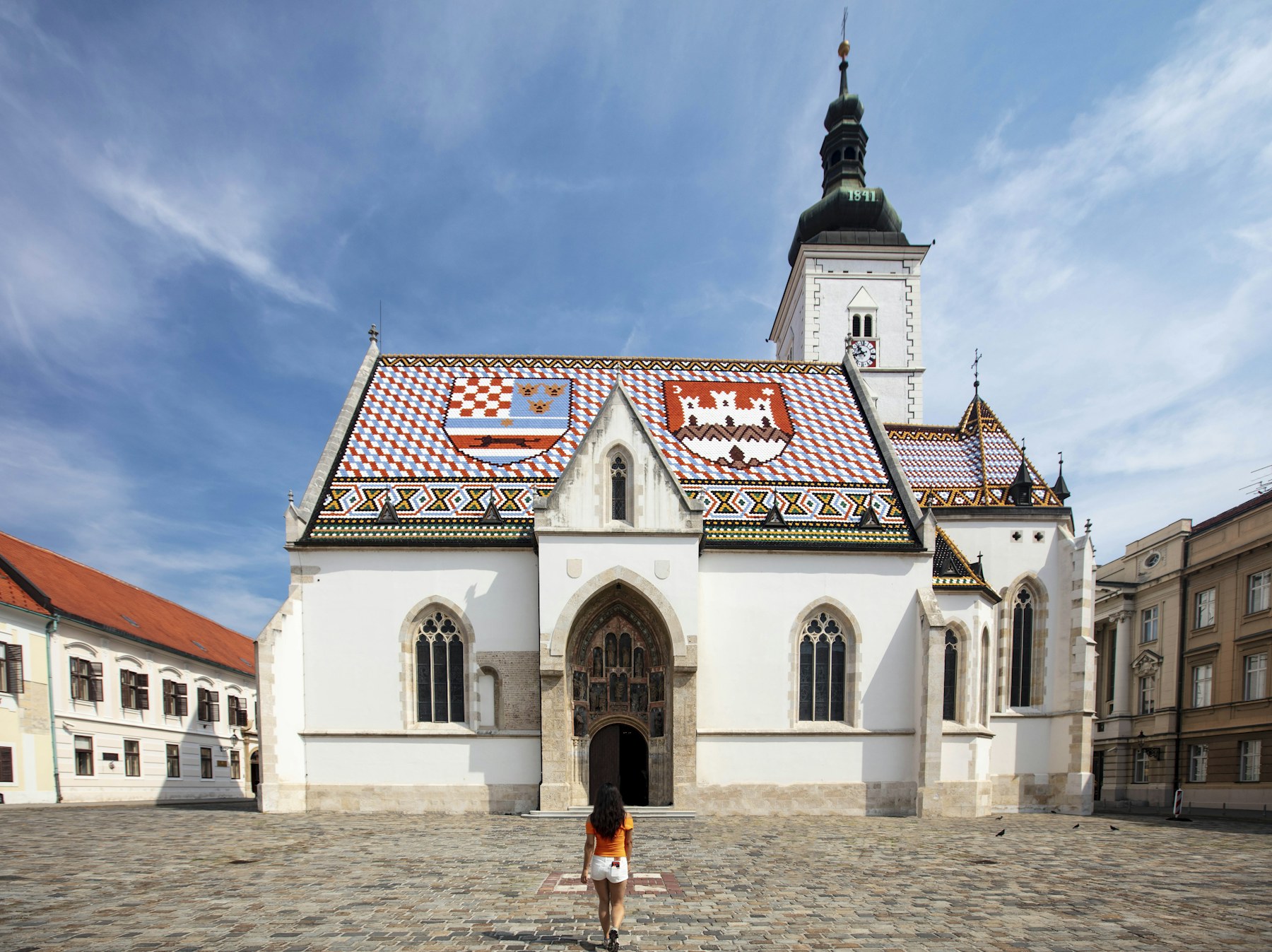
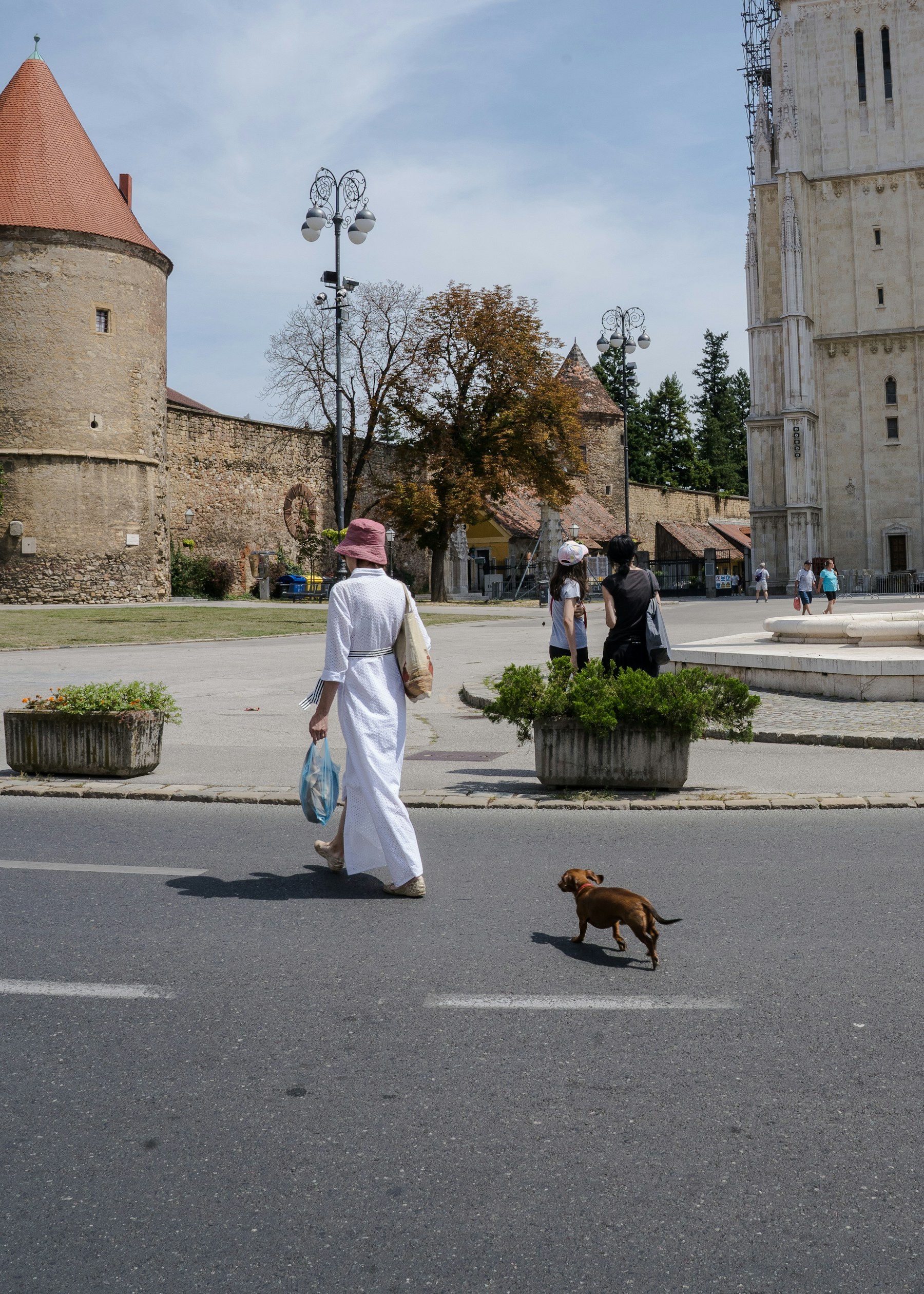
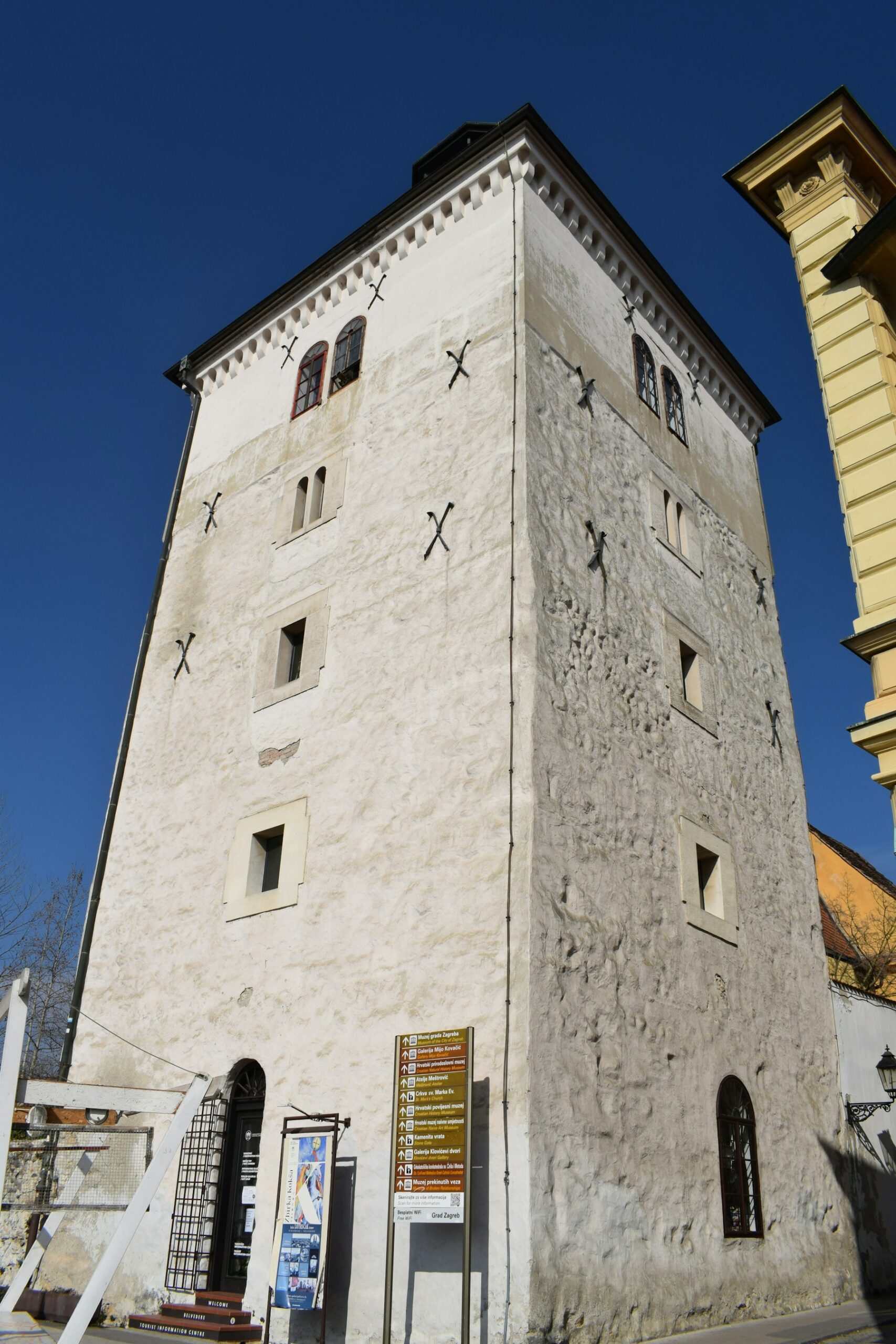
The journey begins in Zagreb. A guided walking tour through the medieval Upper Town brings the capital’s story to life, St Mark’s Church with its famous tiled roof, the atmospheric Stone Gate, the Lotrščak Tower, the bustling market and the cathedral. With free time to absorb the city’s celebrated café culture and an evening at the opera, students experience Zagreb as a living European capital rather than a checklist of sights.
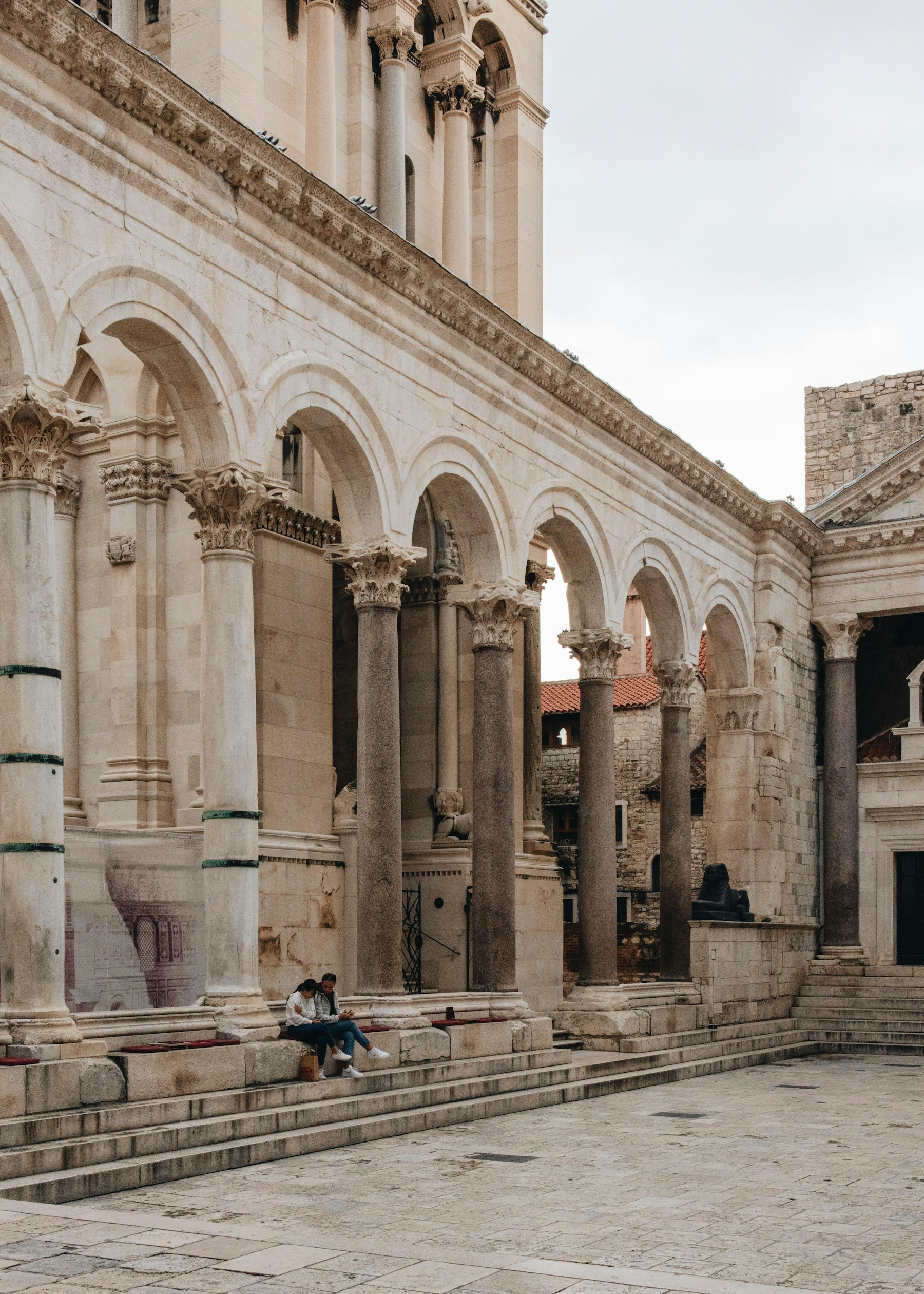
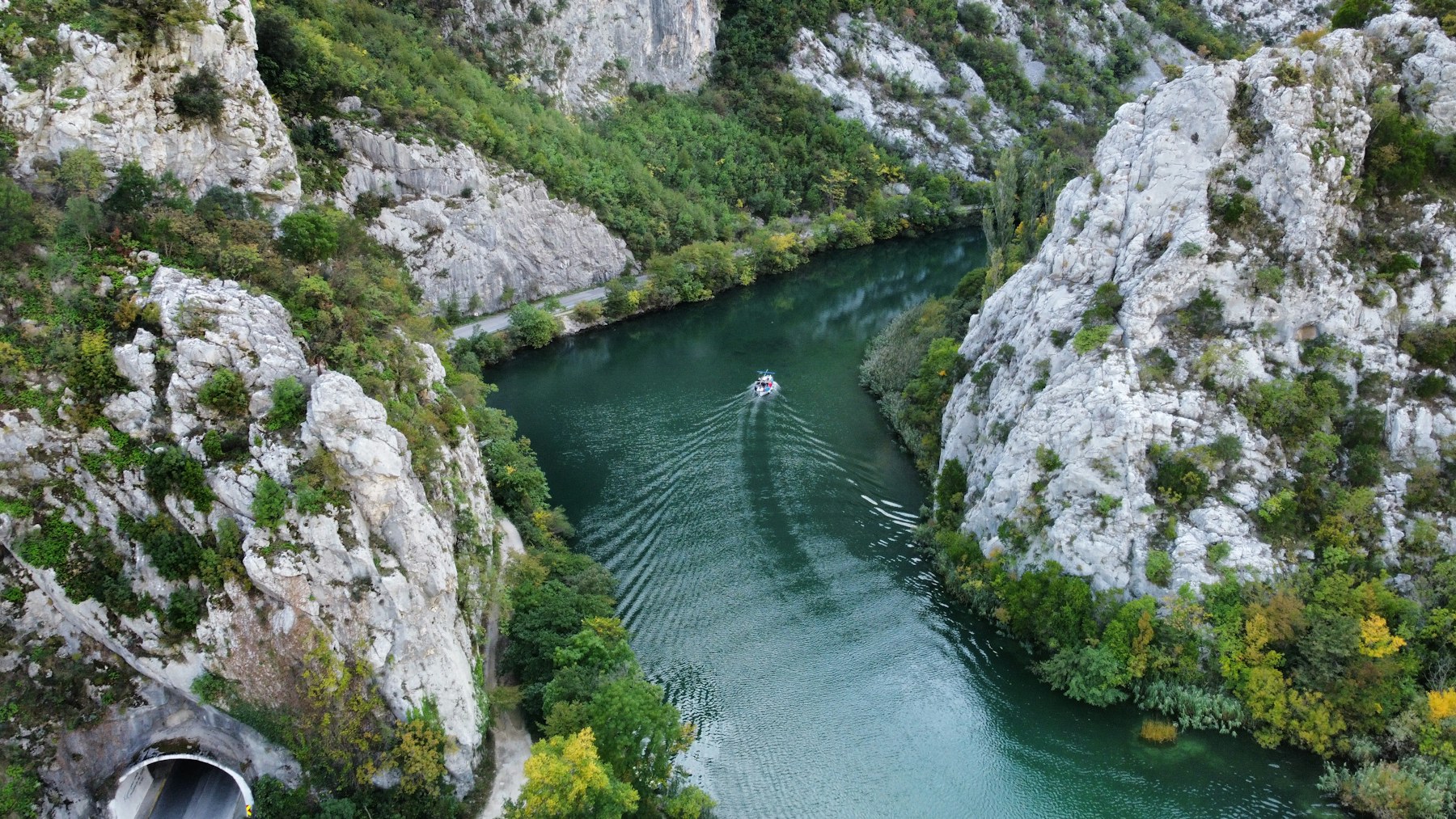
From there the trip heads south to the Dalmatian coast, and the landscape transforms. Near Omiš, a boat cruise carries the group through the dramatic limestone gorges of the Cetina River, followed by a coastal walk, a vivid lesson in the karst geography that shapes this part of Europe. The undisputed highlight is Split, where students explore Diocletian’s Palace: built as a retirement residence by the Roman emperor in the early fourth century, it has been lived in continuously ever since and forms the beating heart of the modern city. Walking its streets, a UNESCO World Heritage site that is also a working town, is the kind of experience no textbook can match.
The scale of the trip is part of its value. Travelling across borders, managing a longer itinerary and moving between very different environments asks something of students and gives a great deal back. They return with a real grasp of Roman and medieval European history, a feel for the Adriatic, and a confidence that comes from having genuinely explored.
Trip highlights
Exploring Diocletian's Palace in Split, a 1,700-year-old Roman complex and living UNESCO World Heritage site
A boat cruise through the dramatic limestone gorges of the Cetina River near Omiš
A guided walking tour of medieval Zagreb, St Mark's, the Stone Gate, the Lotrščak Tower and the cathedral
Curriculum links
Practical information
- The trip combines Zagreb, Croatia's capital, with the central Dalmatian coast around Split and Omiš.
- The Dalmatian coast enjoys a warm Mediterranean climate; layers are advisable in spring and autumn.
- Local currency is the euro; spending money recommended.
- On the Move is the officially accredited school trips provider for the European Schools in Belgium; every trip has a dedicated project manager with 24/7 emergency support.
A day by day
✏️ This is an example timetable: we can adapt the destination, programme, duration and budget to suit your group.
Students come home with…
- a first-hand understanding of Roman and medieval European history, a feel for the Adriatic and Dalmatian landscape, cultural experiences from the capital's opera to its café life, and the independence of a longer European trip.
In pictures
Cultural School Trips - your questions
History, art, civics, languages and religious studies all benefit. Bastogne suits primary P5 groups studying WWII; The Hague suits civics and international relations; Berlin, Aachen and Málaga are ideal for secondary history and arts groups.
Yes. We arrange expert local guides for museums, monuments and walking tours, in English or French as you prefer.
The Belgian Ardennes: Bastogne programme is specifically designed for P5 (ages 10–11), with content pitched carefully for that age. Other destinations in this category suit secondary groups.
Return travel, central accommodation, all entries and guided visits, supervision, insurance and your On the Move coordinator.