School Trips · Cultural Stays

Cultural trip to Vienna

Imperial grandeur, Mozart, Klimt, and the city that shaped European civilisation, Vienna delivers at every level

Austria 3–4 nights Ages 13–17
Duration
3–4 nights
Group size
15 to 70 pupils
Ages
Ages 13–17
Season
All year

Vienna with your class

Vienna is one of Europe's great school trip cities and one of its most underused, a capital that shaped Western music, psychoanalysis, modern art, and two world wars, all within a walkable, exceptionally well-organised city that handles school groups beautifully. Students explore the monumental Ringstrasse boulevard, one of the great feats of 19th-century urban planning, visit the Kunsthistorisches Museum with its extraordinary art collections, and descend into the Imperial Crypt where the Habsburg dynasty lies buried across five centuries. The programme weaves music into the city itself: Mozart's apartment, the State Opera House, and an optional evening concert by musicians in period costume give the curriculum genuine texture. For WWII and Cold War groups, the Jewish Museum, the Dokumentationsarchiv des österreichischen Widerstandes, and a guided tour of the divided city's Cold War legacy add a darker and essential counterweight to the imperial splendour.
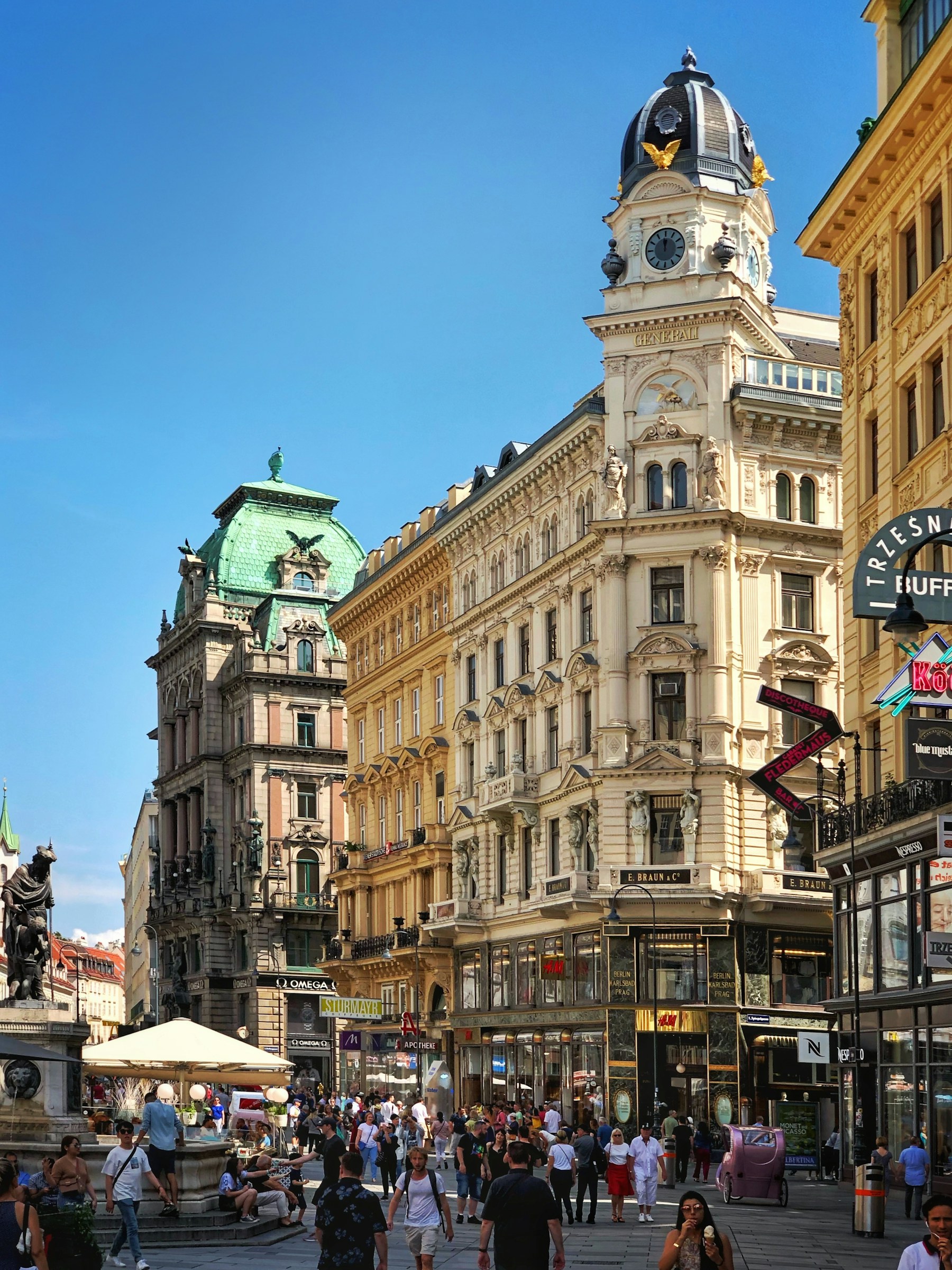
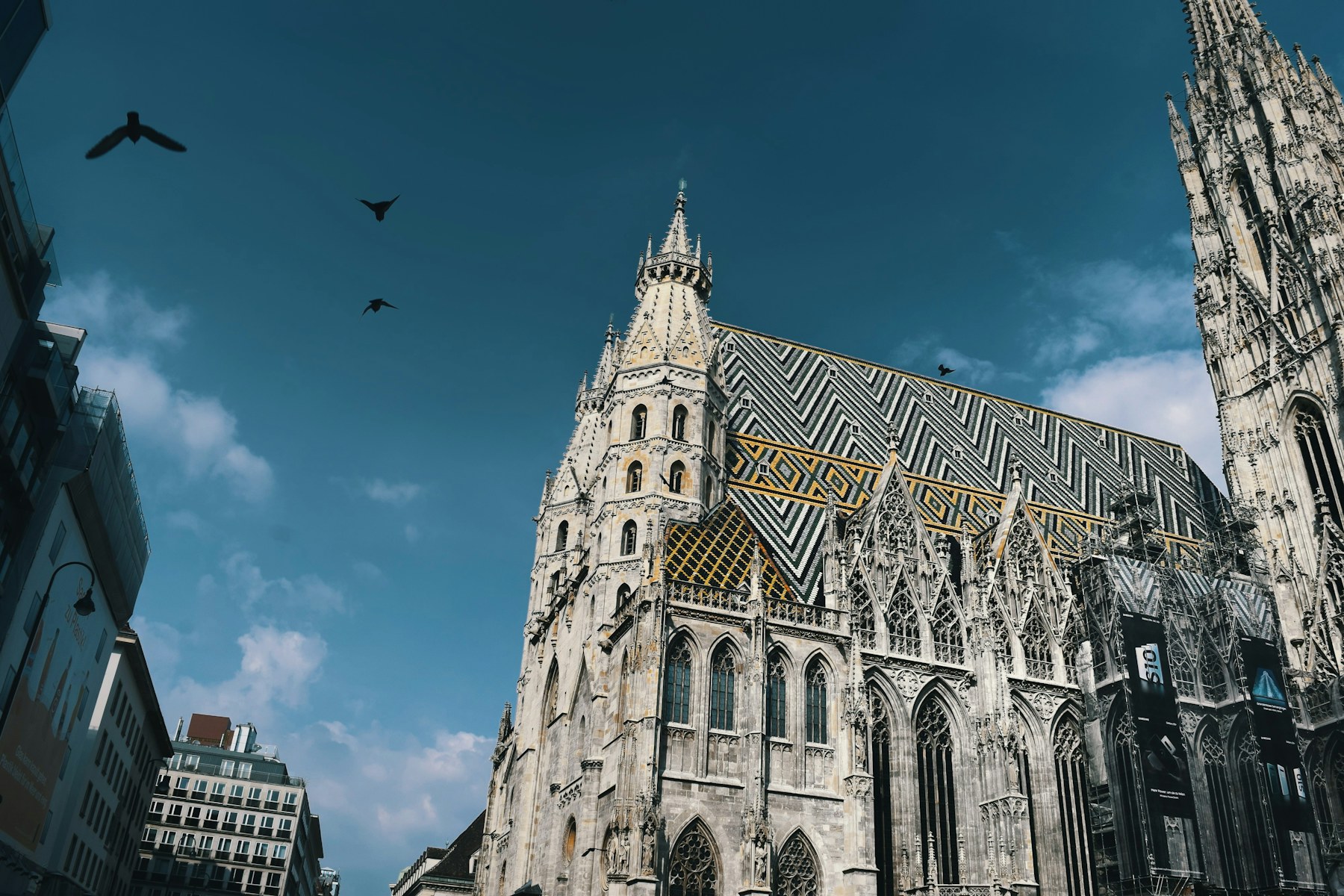
Vienna's baroque palaces and grand boulevards on an Austrian cultural school trip

Trip highlights

01 Mozart's Vienna

Mozart's Vienna, a guided music trail through the city connecting the composer's apartment, the Burgtheater, St Stephen's Cathedral, and the Augustinian Church, with an optional evening concert by candlelight in a Baroque palace

02 The Kunsthistorisches Museum

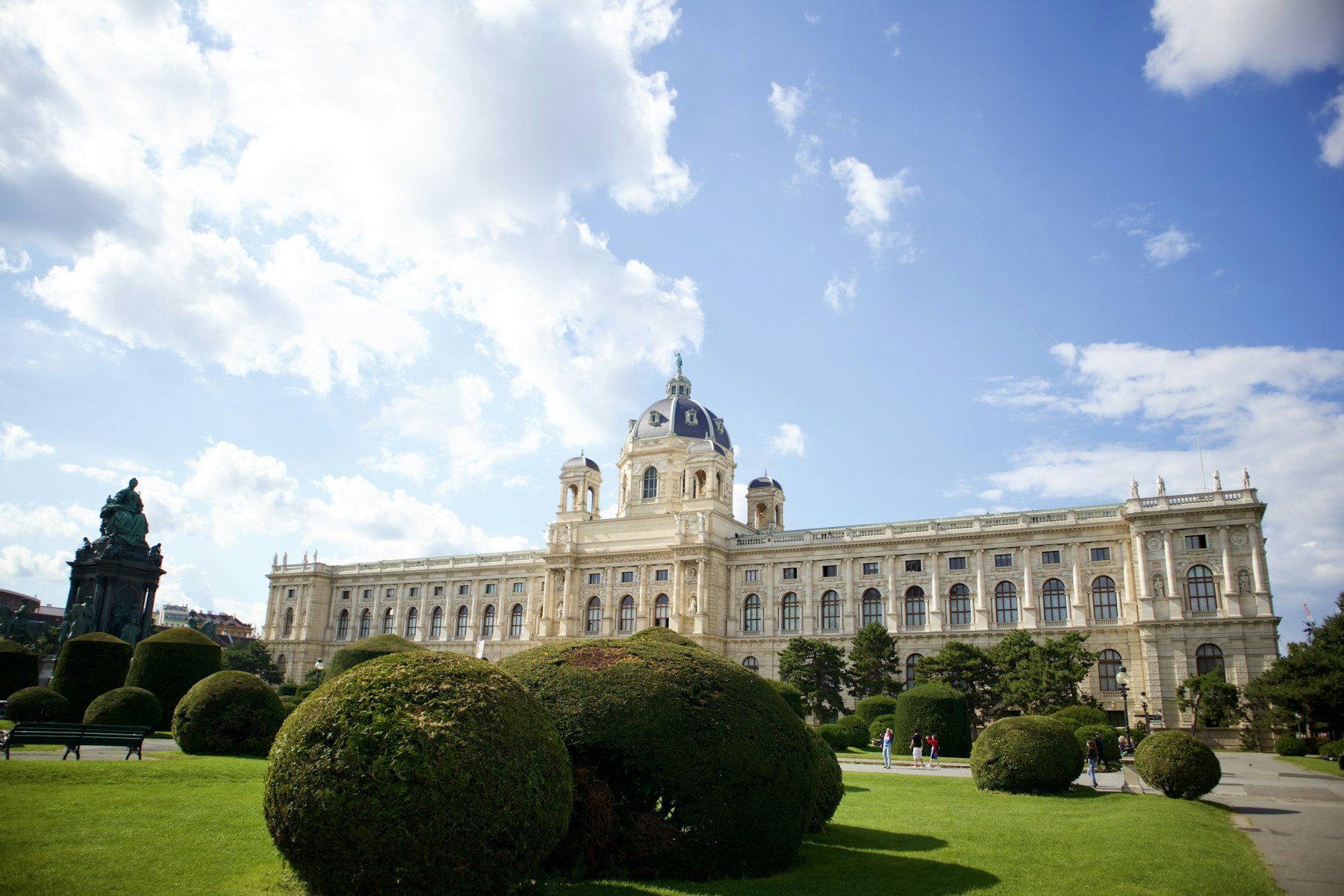
The Kunsthistorisches Museum, one of the great art history museums of the world, housing the Habsburg imperial collections from ancient Egypt and Greece through Vermeer, Raphael, and Velázquez

03 The Imperial Crypt (Kaisergruft)

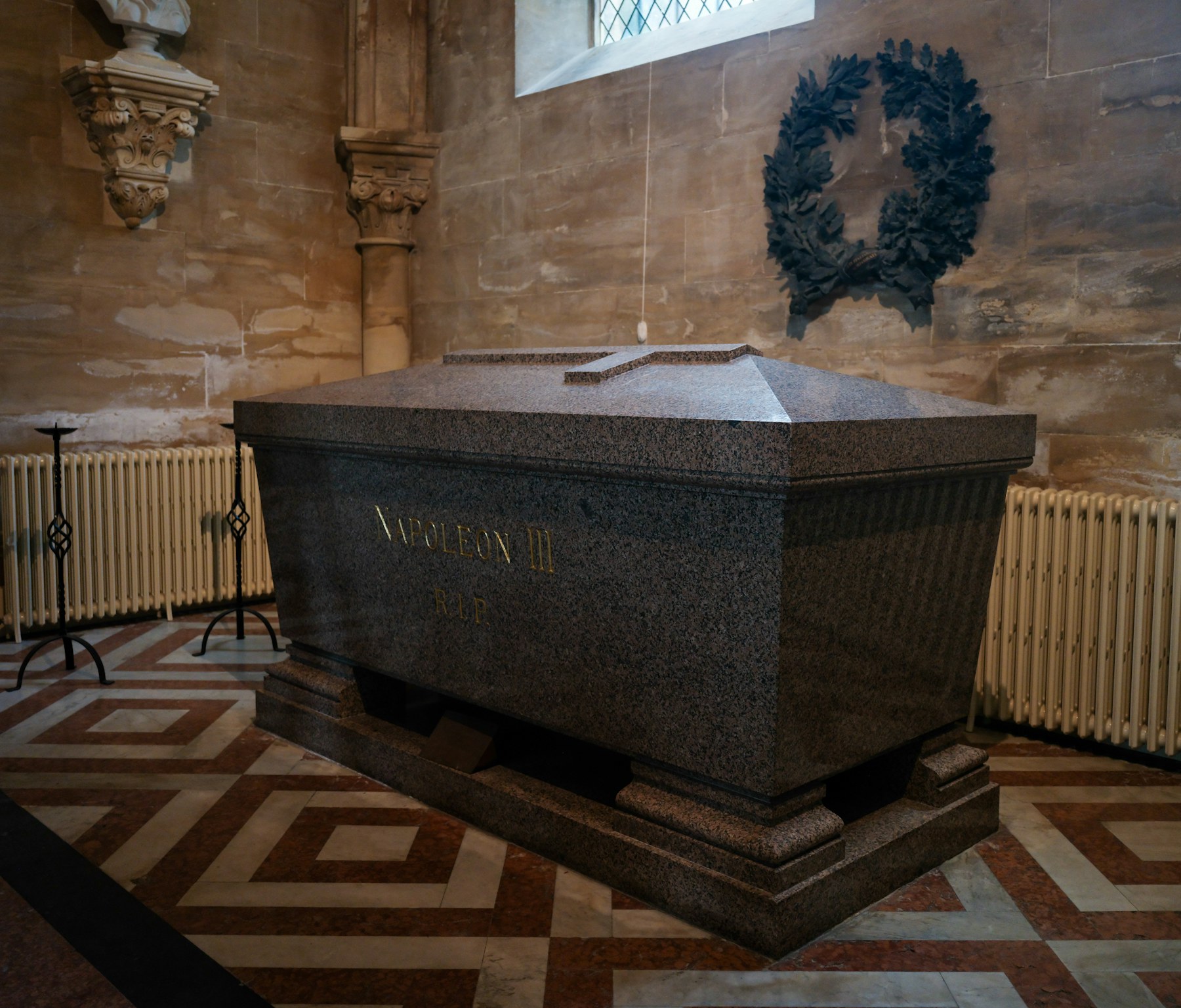
The Imperial Crypt (Kaisergruft), the burial vault of 149 members of the Habsburg dynasty, from Emperor Matthias (died 1619\) to Empress Zita (died 1989), a uniquely atmospheric encounter with European dynastic history

Curriculum links

History Habsburg Empire, WWI origins, WWII and Anschluss, Cold War
Music Mozart, Beethoven, Schubert, Mahler, the Vienna Philharmonic
Art & Architecture Klimt, Schiele, Baroque and Jugendstil, the Ringstrasse
Geography Central European capital, Danube, Alpine approaches
Citizenship post-war Austria, international institutions, the UN Vienna Office

Practical information

TransportTravel arranged to suit your school's location.
Accommodationcentrally located youth hostel or hotel within walking distance of the Ringstrasse and the major museums, with breakfast included
  • Meals: breakfast included; group dinners at local restaurants; lunches at group's own expense
  • Local currency is Euro (€); spending money recommended for lunches, the Naschmarkt, and personal purchases
  • Vienna's public transport network (U-Bahn and tram) is excellent and included in group day passes
  • On the Move is the officially accredited school trips provider for the European Schools in Belgium; every trip has a dedicated project manager with 24/7 emergency support.

A day by day

1
Day 1
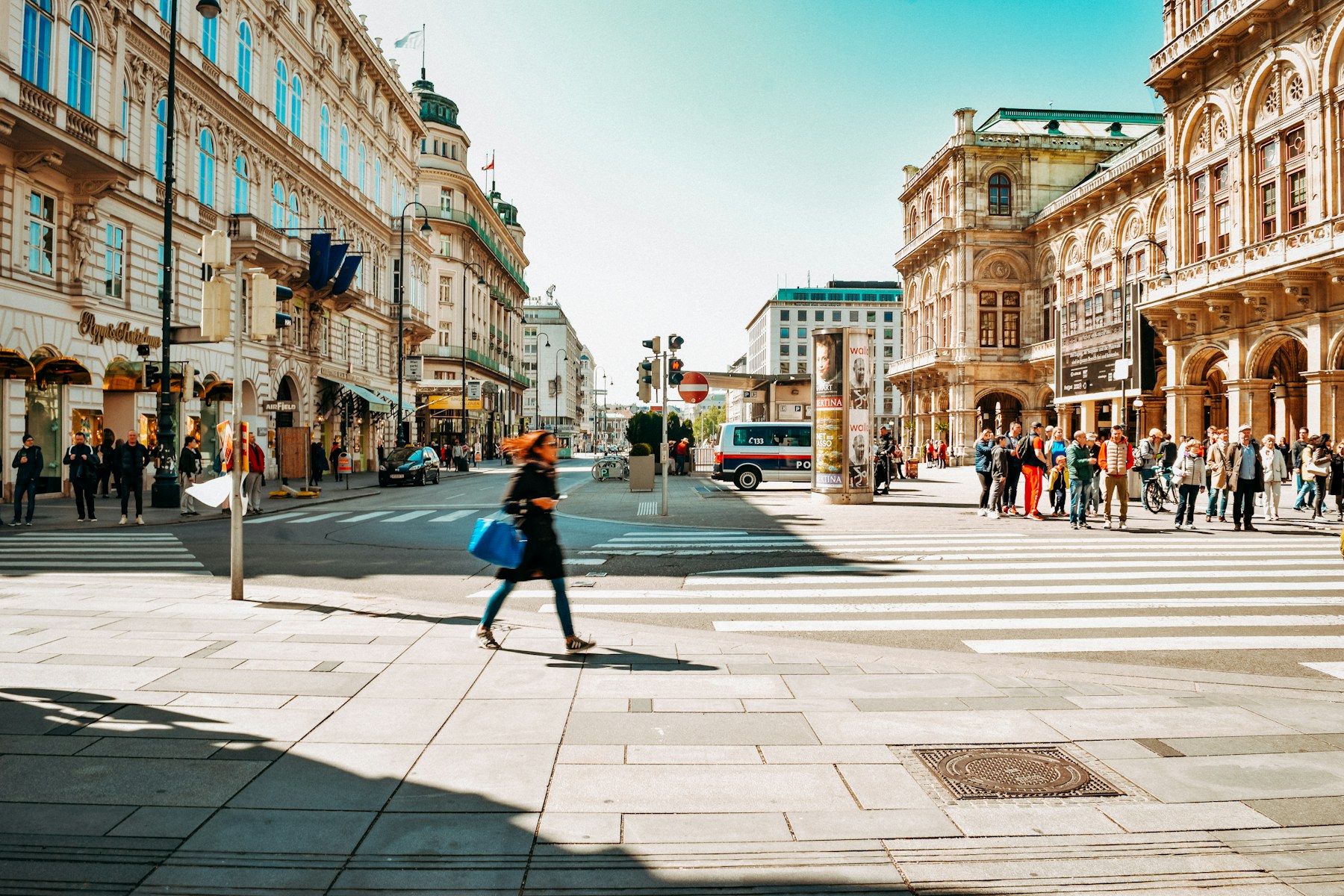
Arrival & the Ringstrasse Arrive in Vienna and make your way to the accommodation. After check-in, the afternoon is given over to a first orientation walk along the Ringstrasse, the monumental boulevard built by Emperor Franz Joseph in the 1860s, lined with the Opera House, the Parliament, the Burgtheater, the Natural History Museum, and the Kunsthistorisches Museum. Students absorb the scale of Habsburg ambition on foot before a group dinner at a traditional Viennese restaurant nearby.
2
Day 2
Imperial Vienna: St Stephen's, the Hofburg & the Crypt A morning at the heart of imperial Vienna, St Stephen's Cathedral (climbing the South Tower for views across the city), the Hofburg Palace complex, and the Spanish Riding School. After lunch at the Naschmarkt, Vienna's extraordinary open-air food market, the afternoon moves to the Kaisergruft beneath the Kapuzinerkirche, the Imperial Crypt, where 149 Habsburgs lie in elaborately decorated sarcophagi spanning four centuries of European history. The evening is free for students to explore the city centre, with options including a visit to the Prater amusement park and the historic giant Ferris wheel.
3
Day 3
Art, Music & Schönbrunn Morning at the Kunsthistorisches Museum, one of the world's great art collections, with a structured guided route through the Egyptian, Greek and Roman, and European painting galleries. After lunch, the group takes the U-Bahn to Schönbrunn Palace, the Habsburg summer residence and one of Austria's most visited sites, for a guided tour of the imperial apartments and time in the formal gardens with views across the city to the hills beyond. The evening brings an optional candlelit chamber music concert in a Baroque Viennese palace, Mozart, Beethoven, and Strauss performed in period costume, one of the most consistently memorable evening activities in the city.
4
Day 4
Belvedere, Klimt & the 20th Century The Upper Belvedere Palace houses Austria's finest collection of 19th and early 20th century art, including Klimt's The Kiss, one of the most recognisable paintings in the world, and major works by Egon Schiele and Oskar Kokoschka. A guided visit connects the art to the turbulent history of fin-de-siècle Vienna and the collapse of the empire that made it. The afternoon is free for final exploration, the MuseumsQuartier, the city's markets, or simply the pleasure of a Viennese café, before a group farewell dinner.
5
Day 5
Departure (4 nights) Breakfast and departure. For 3-night programmes, Days 3 and 4 are condensed into a single day with a choice of either Schönbrunn or the Belvedere.

✏️ This is an example timetable — we can adapt the destination, programme, duration and budget to suit your group.

Students come home with…

  • a visceral sense of how empires rise and fall, a deepened engagement with classical music as a living cultural tradition, and the particular pleasure of navigating one of Europe's most elegant and generous cities on foot.

In pictures
Cultural Stays - your questions

History, art, civics, languages and religious studies all benefit. Bastogne suits primary P5 groups studying WWII; The Hague suits civics and international relations; Berlin, Aachen and Málaga are ideal for secondary history and arts groups.

Yes. We arrange expert local guides for museums, monuments and walking tours, in English or French as you prefer.

The Belgian Ardennes — Bastogne programme is specifically designed for P5 (ages 10–11), with content pitched carefully for that age. Other destinations in this category suit secondary groups.

Return travel, central accommodation, all entries and guided visits, supervision, insurance and your On the Move coordinator.

A cultural trip to Vienna?

Tell us your group and dates - we'll build the programme around you.

Plan our trip
🇫🇷 Version française bientôt disponible - currently in preview