Seaside classes, green classes, cultural stays or ski trips? A teacher's guide to matching a school trip theme to your pupils, your curriculum and your budget.
Start with the learning objective
The best school trips begin with a question that has nothing to do with a destination: what do you want your pupils to come home having learned? Pin that down first and the right theme tends to choose itself. A trip built around a clear educational objective is also far easier to justify to management and to parents.
Every theme we run is designed around a different kind of learning, from environmental science to language practice to cultural history. Browsing the full range of school trips with your curriculum in one hand is the quickest way to see which one fits the outcome you are aiming for.
Seaside classes: nature and teamwork by the coast
A seaside class pairs fresh air with a surprising amount of learning. Coastal ecosystems, tides and marine life turn a beach into a living laboratory, while sailing, kayaking and group challenges build the teamwork and resilience that no classroom can teach. For younger pupils especially, the change of scene works wonders.
Destinations such as the Brittany and Normandy coasts add layers of history to the natural science, so a single trip can serve geography, biology and history at once. You can compare every option on our seaside classes page.
Green classes: the outdoors as a classroom
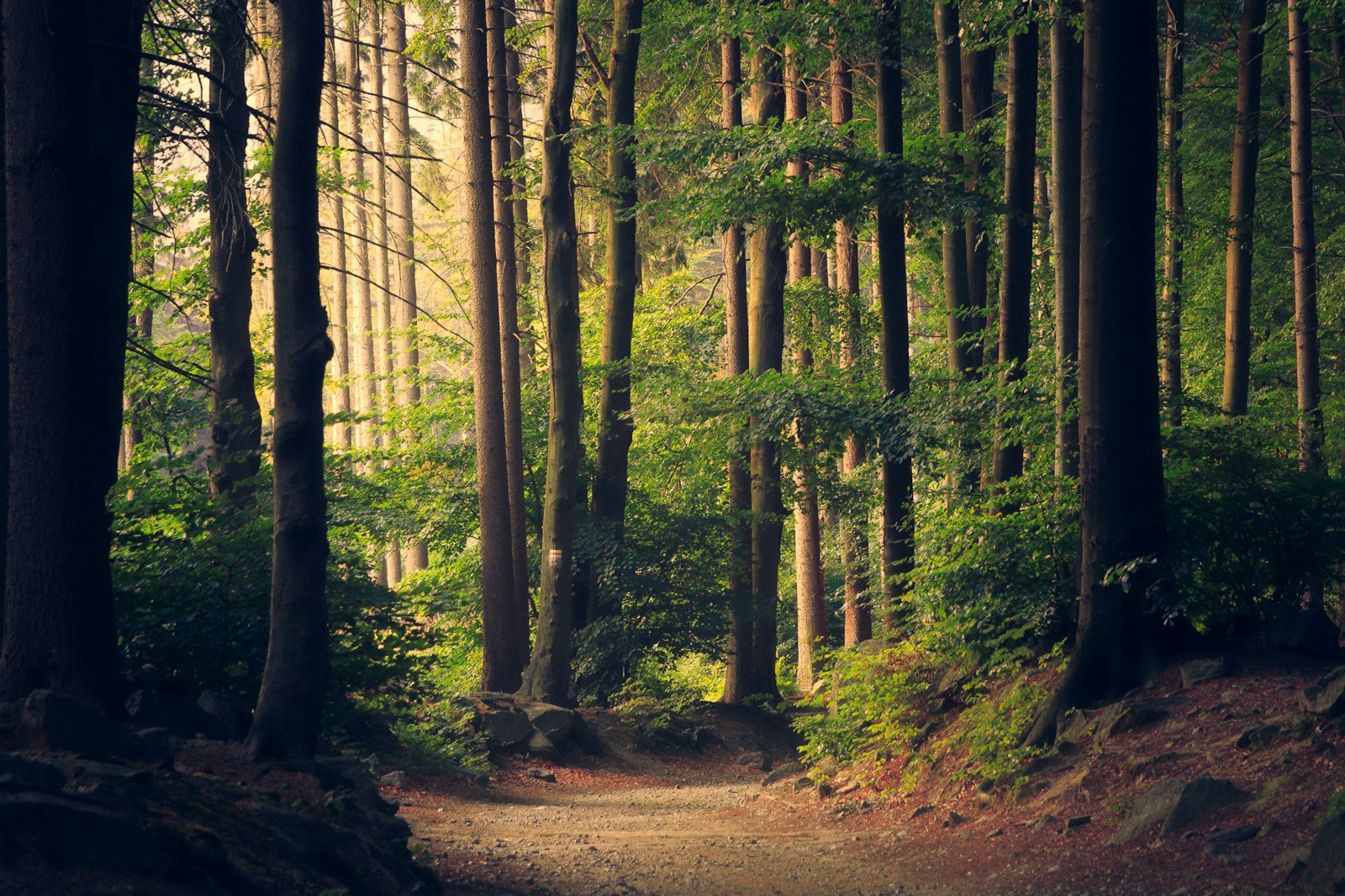
Green classes take the forest, the mountain and the field as their classroom. Pupils study ecosystems by walking through them, learn about sustainability by living it for a few days, and discover a quieter confidence away from screens and the usual social pressures of school. The benefits for wellbeing are as real as the academic ones.
Forested regions such as the Ardennes and the Black Forest are ideal, with marked trails, wildlife and outdoor centres built for school groups. The full set sits on our green classes page, each with its own ecological focus.
- Hands-on environmental and biology learning in the field.
- Physical activity and time away from screens.
- Teamwork and independence built through shared outdoor challenges.
- A wellbeing boost that pupils feel long after they return.
Cultural and graduation trips: city as a textbook
For older pupils, a city is the richest textbook there is. Cultural stays and graduation trips turn art, architecture, history and language into something pupils walk through rather than read about – and they reward the maturity of secondary groups with a real sense of independence. A cultural stay in Florence brings the Renaissance to life in a way no slideshow can.
These trips also mark a milestone. A well-run graduation trip to Barcelona or another great European city sends a year group off on a high, blending genuine learning with the celebration they have earned. Both themes are laid out in full under cultural stays and graduation trips.
Matching the theme to age and budget
Age is the first filter. Seaside and green classes suit primary and lower-secondary pupils beautifully; cultural and graduation trips, and the more demanding ski trips, are pitched at older groups ready for more independence and a more active programme. Match the theme to the maturity of the group and the whole week runs more smoothly.
Budget is the second. Themes closer to home keep transport costs down, while a ski week or a flight to a distant city asks more of families – so plan early and spread the payments. If skiing is on your shortlist, our guide to organising a school ski trip walks through the logistics in detail, and our team can shape any theme around your numbers. Tell us your goal and we will build it.